Introduction
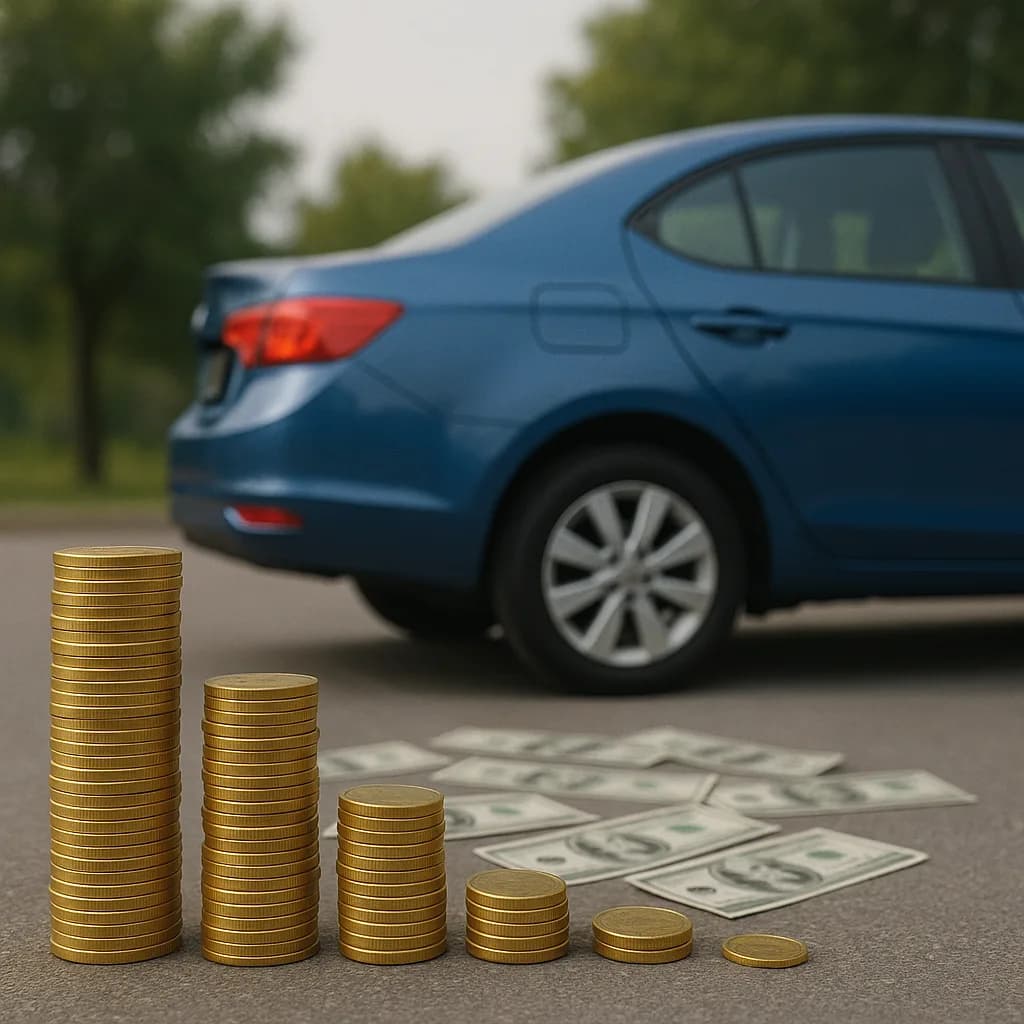
If you own a vehicle, you've likely heard about car depreciation, but have you ever pondered how much your car costs you every day in terms of its value? It's an invisible cost, more stealthy than the energy slipping away through a neglected tyre puncture. Alas, depreciation is a reality all car owners must grapple with, whether they are aware of it or not. We often hear about depreciation as an annual figure, but considering it as a daily occurrence can bring a whole new perspective.
In this extensive exposé, we'll journey through the world of car depreciation, drawing insights on how its impact varies across different brands and models. We'll explore factors influencing depreciation and delve into strategic ways to curb its effects, saving you money in the long run. So, buckle up as we explore the financial complexities of owning a car.
Understanding Car Depreciation
Car depreciation refers to the decrease in a vehicle's value over time. It's similar to the situation of purchasing a new mobile phone, which loses its value rapidly due to the quick emergence of newer models. However, with cars, the financial implications are significantly larger. On average, a car depreciates between 15% and 35% in its first year, with an annual average of 15% for the following years.
The key influencers of depreciation are age, mileage, condition, and market demand. As a vehicle ages, it loses its shiny appeal and coveted warranties, naturally reducing its resale value. High mileage means more usage and wear and tear, furthering this depreciation journey. Additionally, any dings or damages from accidents, as well as the general upkeep of the car, affect its worth.
Design and Exterior
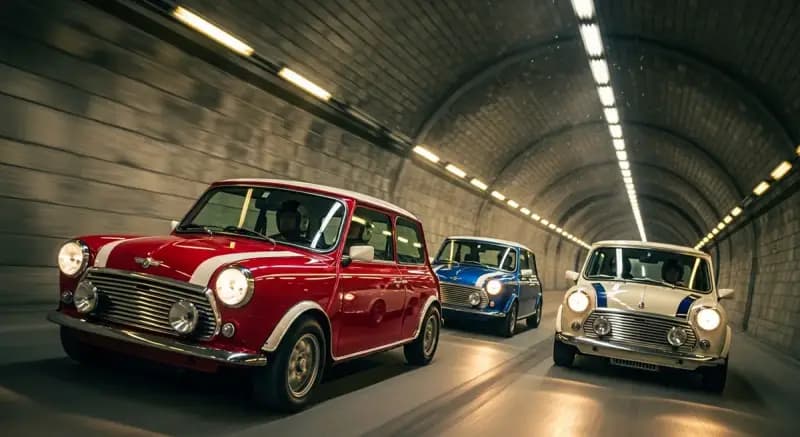
The design and exterior aesthetics of a car can significantly influence its rate of depreciation. For instance, certain car colours may become more trendy, retaining desirability and thus value. According to automotive surveys, colours like white and silver often have a better resale value due to their timeless appeal, whereas odd colours may not fare as well in the resale market.
The overall design also plays a role. A sleek, modern design might age better compared to a vehicle with outdated aesthetics. Brands that frequently update their design might see older models depreciate quicker once the new model designs roll out.
Moreover, exterior features such as alloy wheels or high-demand body styles like SUVs tend to fare better in maintaining their value. As consumer preferences shift towards certain styles, the desirability of such models can sustain their value longer, mitigating depreciation rates somewhat.
Interior and Features
Inside the car, the condition of the interior and the suite of features it boasts can also affect depreciation. A cabin with a luxurious finish, quality materials, and advanced tech tends to have a better resale value. Features like a premium sound system, quality seat upholstery, and an updated infotainment system make a vehicle more attractive to potential buyers.
However, the pace at which technology evolves can be a double-edged sword. Features that are cutting-edge today might be standard a few years down the line, and thus, lose their value-adding appeal. Prospective buyers could be looking for the latest tech, making older models less competitive in the secondary market.
Therefore, while a car’s interior and features can help preserve its value, it is subject to how well it aligns with future automotive trends and technological advancements.
Related Reading
Petrol vs Diesel Used Cars: Which Makes More Sense in 2026?Engine and Performance
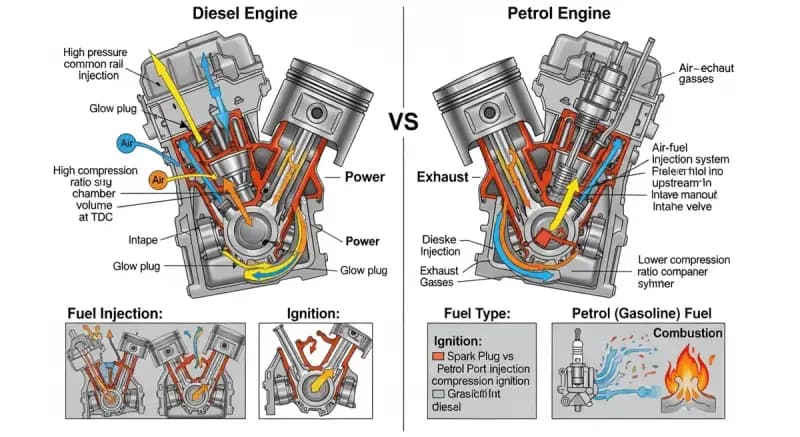
The engine and overall performance capability of a vehicle can't be overlooked when discussing depreciation. High-performance vehicles retain their value much better than those with average engines. Cars with powerful and efficient engines often find owners who value performance and reliability, maintaining their demand even after several years of use.
Additionally, vehicles with strong fuel efficiency records have a slower depreciation rate. With fluctuating petrol and diesel prices, fuel-efficient cars remain in demand, as persistent buyers seek ways to save money on running costs.
Moreover, innovative powertrains such as hybrids and electric vehicles are currently experiencing more stable depreciation rates. As the automotive industry shifts towards eco-friendly power solutions, these vehicles are seen as future-proof, which extends their relevance in the market.
Safety Features
In today's safety-conscious world, a vehicle packed with advanced safety systems tends to depreciate less rapidly. Features such as airbags, anti-lock braking systems (ABS), and electronic stability control are essential, but modern technologies like lane-keep assist and automatic emergency braking add tremendous value.
Safety ratings from reputable institutions can influence a car’s depreciation rate as well. A vehicle that scores well in crash tests might be more appealing in the used car market, fetching better resale values. Consequently, having updated safety features can mitigate the depreciation curve, as potential buyers often prioritise their family's safety over other attributes.
Price and Variants
The initial cost and variant you choose have a significant impact on how your vehicle depreciates. Generally, luxury cars suffer steeper depreciation compared to their economically priced counterparts, largely due to the premium they command when new. However, luxury cars also have the potential for significant value retention due to their inherent appeal and exclusivity.
Trims with fewer, more essential features often hold their value better because they appeal to a broader audience. Meanwhile, models with high-end or less common features may fail to justify a higher price in the used car market.
Variants equipped with optional packs offering excessive customisation might also depreciate more, as they cater to a niche market. Striking a balance between what you want and what will appeal to future buyers is crucial when choosing a variant.
Related Reading
Car Loans Are Keeping You Poor: A Mathematical Reality CheckComparison with Competitors
In the bustling automotive market, every car has its set of competitors, and depreciation is one aspect where many buyers seek comparisons. Take the sedans and SUVs that flood the market. SUVs tend to hold their value better due to current consumer preferences, while sedans might depreciate faster in some regions.
It's also common to see differences in depreciation among brands. For instance, Japanese manufacturers like Toyota and Honda are often valued for their reliability, which can help them retain their worth longer. In contrast, brands with higher initial price tags or less robust reputations might depreciate more quickly.
Ultimately, comparing depreciation rates among competitors requires considering factors like brand reputation, market perception, and model lifecycle, as these elements can notably sway resale values.
Pros and Cons of Car Depreciation
While depreciation is primarily seen as a negative aspect for car owners, it does have its pros and cons. On the downside, you’ll lose a significant portion of your car's value over time, making it a notable financial burden. This loss is unavoidable and is particularly substantial with brand-new cars.
On the positive side, increased depreciation can benefit buyers in the pre-owned market. It helps drive prices down, making used cars more affordable for first-time car buyers or those in search of a bargain. Therefore, consumers can make strategic decisions based on depreciation to buy vehicles at a more economical price point.
Ultimately, understanding the pros and cons of depreciation empowers car owners to make more informed buying and selling decisions, using depreciation to their advantage wherever possible.
Should You Worry About Depreciation?
When deciding whether to buy a vehicle, consider how concern for depreciation should weigh on your choice. If you plan to keep a car for a long period, depreciation might be less of a concern since you’re extracting maximum value through usage over an extended period.
The resale value plays a more crucial role for those who frequently upgrade to newer models. Understanding how different features influence depreciation can help you make a choice that balances both performance and future financial return.
In conclusion, while depreciation is an inevitable aspect of vehicle ownership, it can be managed strategically, turning it into a manageable aspect rather than a pitfall.
Related Reading
Understanding Automatic Transmission Fluid and Service IntervalsClosing Paragraph
It's clear that car depreciation isn't just a statistic but a daily financial reality every vehicle owner must face. Recognising how various elements contribute to this loss can profoundly influence your financial strategies with vehicle ownership. At Nxcar, we're passionate about equipping you with the knowledge you need to drive smarter and manage your assets responsibly, ensuring you stay ahead in India's ever-evolving automotive landscape.