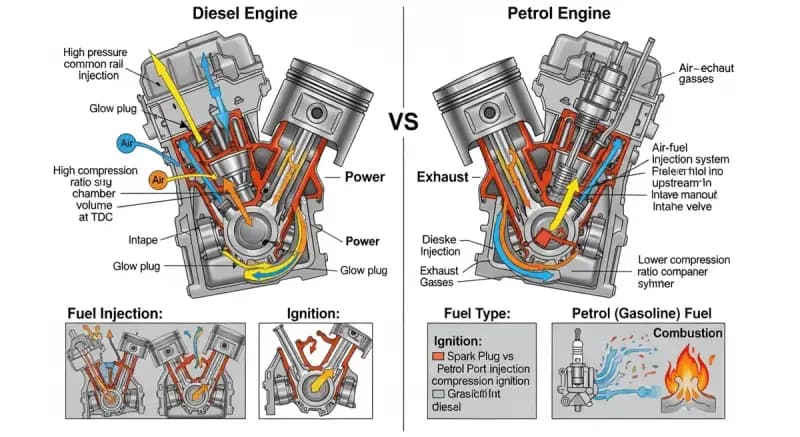
Common rail direct injection revolutionized diesel engines by separating pressure generation from injection timing. Unlike older pump-line-nozzle systems where pressure and timing were mechanically linked, common rail systems maintain constant high pressure in a fuel rail, allowing precise electronic control of injection events.
System Architecture
A high-pressure pump (typically generating 1,600-2,500 bar) feeds fuel to a common rail connected to all injectors. Electronic injectors receive multiple injection pulses per combustion cycle: pilot injections for smooth combustion, main injection for power, and post-injections for emissions control.
Performance Benefits
Electronic control enables optimization impossible with mechanical systems. Injection timing adjusts dynamically based on speed, load, temperature, and altitude. Multiple injections reduce combustion noise and emissions simultaneously. The precision enables diesel engines to meet stringent emission norms while maintaining efficiency.
Reliability Considerations
Common rail systems demand fuel quality. Contamination damages high-pressure pumps and injectors, components costing Rs 30,000-80,000 each. Fuel filter maintenance is critical; neglect leads to expensive failures.
Injector failures typically manifest as rough running, smoke, or power loss. Diagnosing requires specialized equipment measuring injector return flow and timing.
Future Trajectory
Despite electrification trends, common rail diesel remains relevant for commercial vehicles and markets with limited charging infrastructure. Technology continues advancing: higher pressures, more precise control, integration with mild hybrid systems. The diesel engine, refined over a century, isn't finished evolving.
Maintenance Implications
Technical understanding translates directly to maintenance strategy. Knowing how systems function helps owners prioritize servicing, recognize warning signs, and communicate effectively with service advisors. This knowledge pays dividends throughout the ownership period, often resulting in better vehicle condition and higher resale values.
Technical Considerations
Understanding these engineering principles helps owners make better maintenance decisions. When mechanics explain repairs, informed owners can evaluate recommendations critically. This knowledge prevents unnecessary work while ensuring critical maintenance isn't deferred. The goal isn't to become a mechanic but to be a smarter vehicle owner.
Real-World Applications
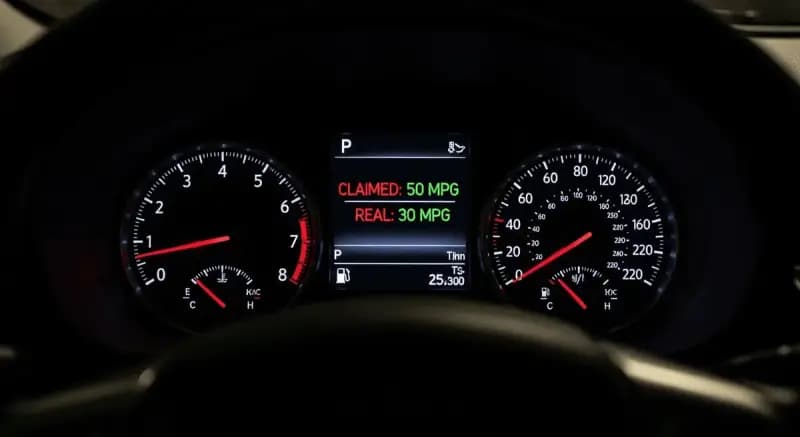
Theory translates to practice in specific ways. Under Indian driving conditions, with their unique combination of heat, dust, traffic, and road quality, these technical factors manifest differently than in laboratory conditions. Owners should calibrate expectations accordingly, recognizing that advertised specifications often assume ideal conditions.
At Nxcar, we dig deep into automotive technology because informed enthusiasts make better owners.