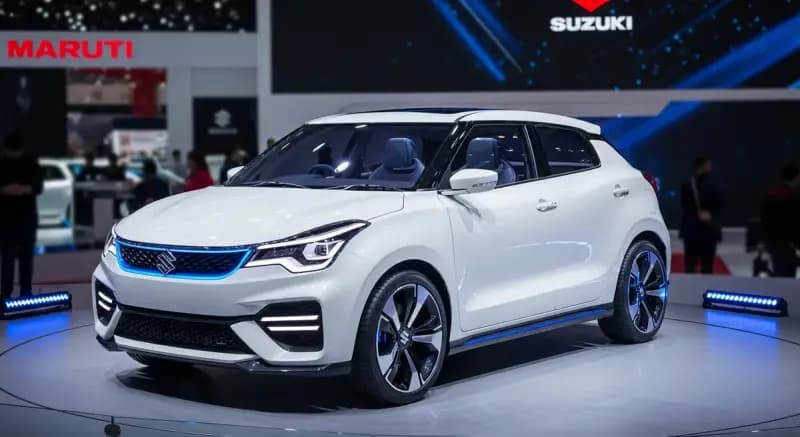
India's largest carmaker, Maruti Suzuki, has confirmed that its highly anticipated first electric vehicle will not launch until early 2026, missing its originally planned 2024 debut by nearly two years. The announcement sent shockwaves through the market, with shares falling 6.8% in a single trading session.
The delay stems from supply chain challenges in securing battery cells and the company's decision to wait for its Gujarat manufacturing facility to become operational before commencing EV production.
Strategic Recalculation
In an investor call, Managing Director Hisashi Takeuchi attributed the delay to a strategic recalibration rather than technical issues. "We want to ensure that when Maruti enters the EV space, we do so with a product that meets our quality standards and price expectations," he explained.
Related Reading
The Real Reason Your Car Insurance Claim Got RejectedThe company's EV, internally codenamed YY8, is being developed jointly with Toyota and will share platforms with upcoming Toyota electric models. The partnership aims to leverage economies of scale to achieve aggressive pricing, reportedly targeting a starting price of Rs 10-12 lakh for a compact SUV with 400+ kilometer range.
Market Share Erosion
The delay has significant implications for Maruti's dominant market position. While the company controls over 40% of the overall passenger vehicle market, its absence from the EV segment has allowed Tata Motors to capture over 70% of the electric car market.
Related Reading
Understanding Vehicle Electrical Systems: 12V to 48V Migration"Every month Maruti delays, Tata strengthens its position," observes industry analyst Gaurav Vangaal. "First-mover advantage in EVs is substantial because of customer stickiness to charging networks and service ecosystems."
Future Roadmap
Despite the setback, Maruti has outlined an ambitious EV roadmap. The company plans to launch six electric models by 2030 and invest Rs 45,000 crore in electrification. The Gujarat plant, currently under construction, will have a dedicated EV production line with an annual capacity of 250,000 units.
Analysts remain cautiously optimistic. "Maruti's distribution network and brand trust are unmatched in India. Once they enter EVs seriously, they'll be formidable competitors," notes Credit Suisse automotive analyst Jennifer Wu.
Looking Ahead
As the Indian automotive market matures, developments like these reshape the competitive landscape. The coming years will reveal which players successfully navigate these transitions and which struggle to adapt. Consumers ultimately benefit from increased competition and innovation, though the transition period may bring uncertainty for some segments.
Industry Impact
This development carries significant implications for India's automotive ecosystem. Industry analysts suggest that the ripple effects will be felt across the supply chain, from component manufacturers to dealership networks. The competitive landscape is likely to shift as established players respond to market dynamics and consumer expectations evolve.
From the Nxcar garage: We live and breathe cars. This story reflects our team's dedication to keeping you connected with India's automotive pulse.