Introduction
Buying a car is an exciting endeavour, marking a significant milestone in one's life. In India, where the car market is vibrant and dynamic, the perspective and priorities of car buyers evolve uniquely over time. From the hesitant, cautious choices involved in a first car purchase to the more discerning and self-aware decisions regarding further purchases, this journey is truly intriguing. It's not just a matter of increased budgets, but a complete mental shift influenced by experiences and changes in lifestyle and needs.
The contrast between purchasing one's first car and a fifth one often reflects advancements in technology, modifications in personal taste, and, notably, a much deeper understanding of the automotive offerings. Indian buyers, in this context, display a remarkably diverse shift in expectations—transforming from utilitarian decisions to more lifestyle-centric choices. Let's explore this evolution of preference and priority in Indian car buyers.
Design and Exterior
When it comes to the first car, practicality often takes precedence over aesthetics. New buyers tend to focus on cars that are budget-friendly and efficient, meaning designs that accentuate practicality with compact sizes or reputations for durability. Hatchbacks like the Maruti Suzuki Alto come to mind with their modest design yet proven robustness, a favourite starting point due to their economic appeal and trusted family-friendly designs.
As buyers transition to their fifth car, this same practicality evolves under the influence of personal taste and identity. The exterior design becomes a tangible expression of personal style. They may gravitate toward models like the Tata Harrier or the Kia Seltos, appreciated for their bold lines and stylish profiles that reflect greater personality and sophistication. At this stage, buyers often seek designs that signal prestige and advancement, paying more attention to elements like alloy wheel design, body colour options, and the overall road presence.
The Aesthetic Equation
A key factor in this shift is how aesthetics coincide with functionality. Initial purchases may shy away from cutting-edge designs in favour of classic reliability; however, with experience, buyers begin to appreciate how striking designs can coexist with functional benefits, such as aerodynamics and safety.
Interior and Features
The interiors of a first car usually lean on the side of simplicity. Buyers here prioritise essential attributes such as comfort, utility, and basic entertainment systems. Many first-time buyers would settle for durable fabric seats, straightforward dashboard layouts, and easy-to-reach controls that provide a user-friendly experience without overwhelming technology.
Conversely, by the time they reach their fifth purchase, Indian buyers have grown accustomed to and desirous of luxurious interiors with rich features. An evolved understanding ensures that the array of technological integrations is appreciated. Touchscreen infotainment systems, electronically adjustable seats, and premium materials like leather upholstery come to be expected. Higher-end models like the Hyundai Creta or Toyota Fortuner with their sophisticated tech offerings become more appealing.
Balancing Luxuries with Necessities
While the presence of luxurious features becomes crucial, practicality isn't entirely forgotten. Buyers still seek a balance—for example, demanding connectivity features like Apple CarPlay and Android Auto while also ensuring there's ample cabin space and good ergonomics for long drives.
Engine and Performance
Performance needs also witness a dramatic transformation as buyers’ automotive journeys progress. Initial cars are often more about reliability and fuel efficiency. Models like the Tata Tiago or Maruti Suzuki Swift with modest engine outputs sufficiently meet these beginners’ needs, focusing on city mileage and ease of maintenance.
With future purchases, engine power and performance become increasingly significant. Buyers with more driving experience often search for stronger engines and better acceleration, appreciating models like Skoda Octavia or Mahindra XUV700 that offer higher horsepower and torque. There is also a growing inclination towards exploring hybrid and electric options, reflecting a heightened awareness of the latest automotive technologies and environmental concerns.
From Economy to Excitement
This shift mirrors a move away from merely getting from point A to B, to experiencing joy in the drive itself. Factors like 0-to-100 kmph times, top speed, and vehicle handling under dynamic conditions become relevant to buyers seeking a more engaging ride.
Safety Features
Safety, often an initially underestimated aspect by first-time buyers due to budget constraints, evolves to a state of paramount importance by the time of later purchases. For early cars, a basic set of safety features such as airbags and ABS may suffice.
However, as buyers become more skilled and value-conscious, there is an increased preference for advanced safety features. This includes the latest in automotive safety technology like adaptive cruise control, lane-keeping assist, blind-spot monitoring, and multiple airbags, significantly influencing the choice of the fifth car. Vehicles such as the MG Hector and Tesla Model 3 reflect these changes, with their advanced technology suites and safety innovations.
The Conscious Shift
Awareness of safety ratings and tested crashworthiness grows as buyers mature. Buyers begin to see safety not just as a feature but as an essential component of their vehicle, ensuring peace of mind for themselves and their families.
Price and Variants
The first car purchase is usually significantly influenced by price, often restricted by limited budgets or financing. This results in opting for entry-level or mid-level variants of popular budget models. Assembling adequate down payments or qualifying for competitive interest rates are usually priorities for first-time buyers.
By the fifth purchase, financial flexibility typically increases, with buyers more capable of opting for higher trim levels and premium models. Here, buyers are often ready to invest significant amounts to acquire features that meet their specific desires, such as bespoke interior packages, advanced tech options, and personalised service plans. This willingness reflects in the wide variance of models and versions they may choose from, including automatic transmissions and top-of-the-line trims.
Investing in Quality
A shift from initial cost-minimisation to value maximisation sees buyers weighting cost against the total value offered, looking beyond the sticker price towards total ownership costs and the long-term satisfaction provided by the vehicle.
Comparison with Competitors
New car buyers often stick to popular, well-known brands backed by recommendations and established trust. Maruti Suzuki, Tata Motors, and Hyundai often dominate this initial decision-making process due to their solid dealership networks and proven track records.
Experienced buyers, however, start to consider a broader spectrum of brands, including newer entrants or luxury marques like Mercedes-Benz or BMW. Technology, brand image, resale value, and exclusive services begin to influence decisions more than ever before. Buyers become aware of new trends and comparative advantages offered by different manufacturers beyond what they initially knew or perceived.
Exploration and Experimentation
The competitive landscape allows seasoned buyers to explore the automotive industry's diversity freely, either sticking to a brand they love or choosing to experiment with new entrants that resonate with their lifestyle or technological aspirations.
Pros and Cons
Understanding the pros and cons of owning any car becomes a critical balance for a buyer, regardless of the purchase chronology.
A first car, while budget-friendly and straightforward, may lack the refinement or features found in higher-end models. Maintenance and brand support become the most prominent pros, while a lack of advanced technology or limited power are often seen as cons.
The fifth car, typically more content-rich, dispels prior limitations with its luxury and safety feature arrays but could present cons in terms of higher maintenance costs or a steep depreciation curve.
Balancing Act
Every stage sees buyers striving to align the feature sets and quality attributes against the prices they could afford, gradually inching towards increasingly harmonious equilibrium with every subsequent purchase.
Should you buy it / Final verdict
The decision on whether a new car is the right one always rests on individual priorities and lifestyles. However, what evolves is the sophistication with which one evaluates vehicles over time.
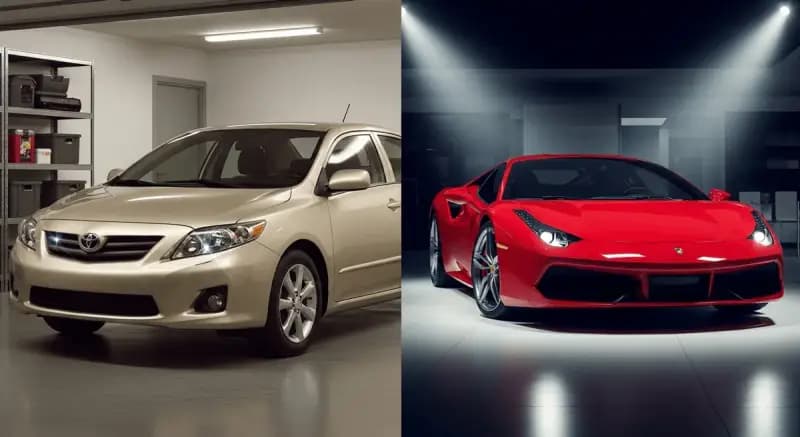
First cars should be chosen for reliability, efficiency, and simplicity. If you're just starting out, opt for something that offers peace of mind and an easy ownership experience. On the other hand, fifth cars are often about indulgence and are a reflection of personal growth and financial independence.
Ultimately, anyone on the cusp of another purchase should consider what they truly value now—be it advanced technologies or a balance between aesthetics and performance—to ensure they select a car that not only meets their evolving needs but also brings joy and satisfaction.
Closing paragraph
The journey from a first car to a fifth is filled with myriad stages and learning curves, each enriching the car-owning experience in India. As buyers refine their preferences and expand their horizons, platforms like Nxcar provide the insights needed to make informed decisions. Whether you are considering your first or your fifth purchase, enlightening guidance on the latest models and industry trends is indispensable, and we at Nxcar are here to drive you home.