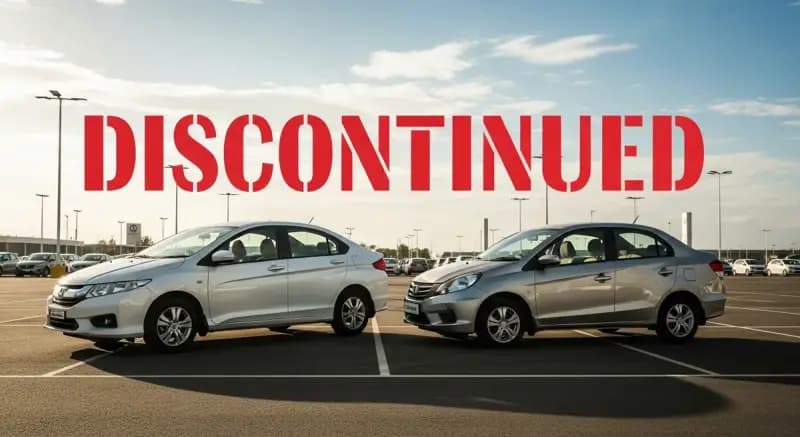
Honda Cars India has discontinued production of the Amaze sedan and Jazz hatchback, effectively exiting the entry-level and compact car segments to focus exclusively on premium vehicles and the anticipated electric vehicle lineup. The decision marks a strategic retreat in the world's fourth-largest automobile market.
The company will concentrate on the City sedan, Elevate SUV, and the upcoming Honda CR-V electric, vehicles positioned above Rs 15 lakh. The Amaze, which had a starting price of Rs 7.5 lakh, was Honda's most affordable offering and its entry point into the Indian market.
Strategic Rationale
"The economics of sub-Rs 10 lakh cars in India are extremely challenging," explained Honda Cars India President Takuya Tsumura. "We cannot compromise on the Honda DNA of quality and technology to compete purely on price."
Related Reading
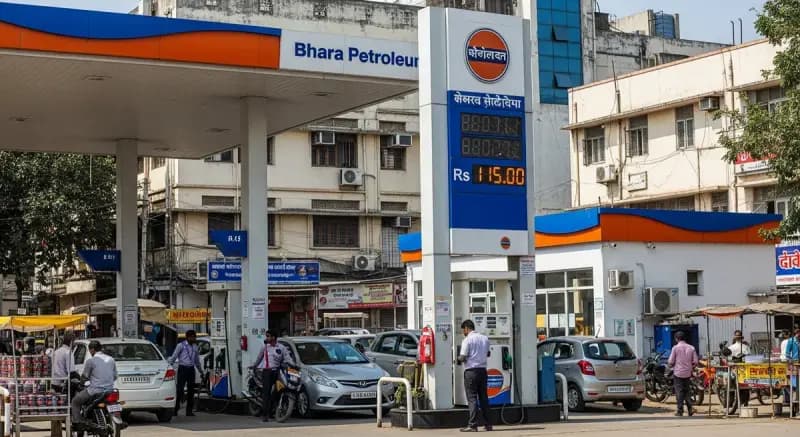
Will Petrol Prices Ever Come Down in India?The Japanese automaker has struggled to compete with Maruti Suzuki and Hyundai in the mass market segment, where scale advantages and aggressive pricing are paramount. Honda India's market share has declined from 6% in 2015 to approximately 2% currently.
Production Implications
The Tapukara plant in Rajasthan will reduce to a single shift, affecting approximately 1,500 contract workers. Honda has offered voluntary retirement packages and redeployment options, though unions have expressed concerns about job losses.
Related Reading
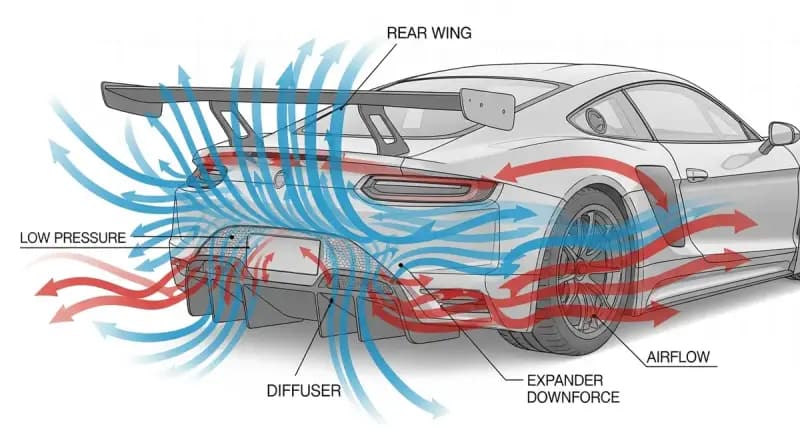
Technical Breakdown: The Physics of Downforce and Why It MattersThe Greater Noida plant will become Honda's primary manufacturing facility, focusing on the City and Elevate models. Capacity utilization across both plants stands at approximately 20%, significantly below profitable levels.
Future Focus
Honda's India future depends on two bets: the premium SUV segment, where the Elevate has received positive market response, and electric vehicles. The company plans to launch two electric models by 2027, developed on Honda's global e:Architecture platform.
Related Reading
How Much Money Does Your Car Lose Every Day?"This is a painful but necessary recalibration," notes auto industry veteran Hormazd Sorabjee. "Honda failed to adapt to the SUV revolution in India. Their premium-focused strategy is a bet on margin over volume."
Looking Ahead
As the Indian automotive market matures, developments like these reshape the competitive landscape. The coming years will reveal which players successfully navigate these transitions and which struggle to adapt. Consumers ultimately benefit from increased competition and innovation, though the transition period may bring uncertainty for some segments.
Industry Impact
This development carries significant implications for India's automotive ecosystem. Industry analysts suggest that the ripple effects will be felt across the supply chain, from component manufacturers to dealership networks. The competitive landscape is likely to shift as established players respond to market dynamics and consumer expectations evolve.
At Nxcar, our team shares an undying love for automobiles and the stories behind them. This article is a testament to that passion.