
Introduction
Deciding to sell your car can often be an emotionally charged decision, especially when the vehicle still 'has life left'. Vehicles are more than just a means of transport; they encapsulate memories, adventures, and perhaps even a touch of sentimentality. Whether it’s the long drives you took along winding country roads or the daily commute, your car has been a constant companion.
Yet, there comes a time in every car owner’s journey when practicality whispers louder than sentiment. Perhaps a growing family necessitates a bigger vehicle or your career shift demands a more fuel-efficient model. Regardless of the reason, it’s not uncommon to feel a pang of guilt at the notion of selling a faithful automobile that has served you well.
Design and exterior
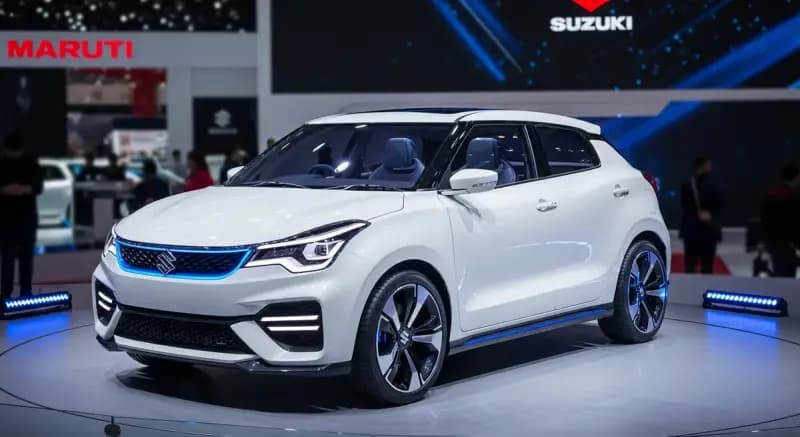
Before delving into the guilt of parting with a well-loved car, it's important to reminisce about what made it a favourite in the first place. For many, the exterior design offers an instant connection. Whether it's the sleek lines of a sporty sedan or the bold, commanding presence of an SUV, a car's design is often what catches the eye initially.
With many modern cars boasting aerodynamics, bold colours, and striking aesthetics, it’s easy to develop an attachment. The exterior often reflects one’s style, making it feel like an extension of the self. So, parting with a car that still turns heads can certainly stir emotion.
Timeless shape
The design language of cars has evolved rapidly over the decades. Still, there are models with timeless shapes that endure beyond trends, making them difficult to let go. These cars, which remain stylish for years, often garner a cult following. Selling such a vehicle, when it still stands elegantly in your driveway, can feel like giving up a piece of art.
Interior and features
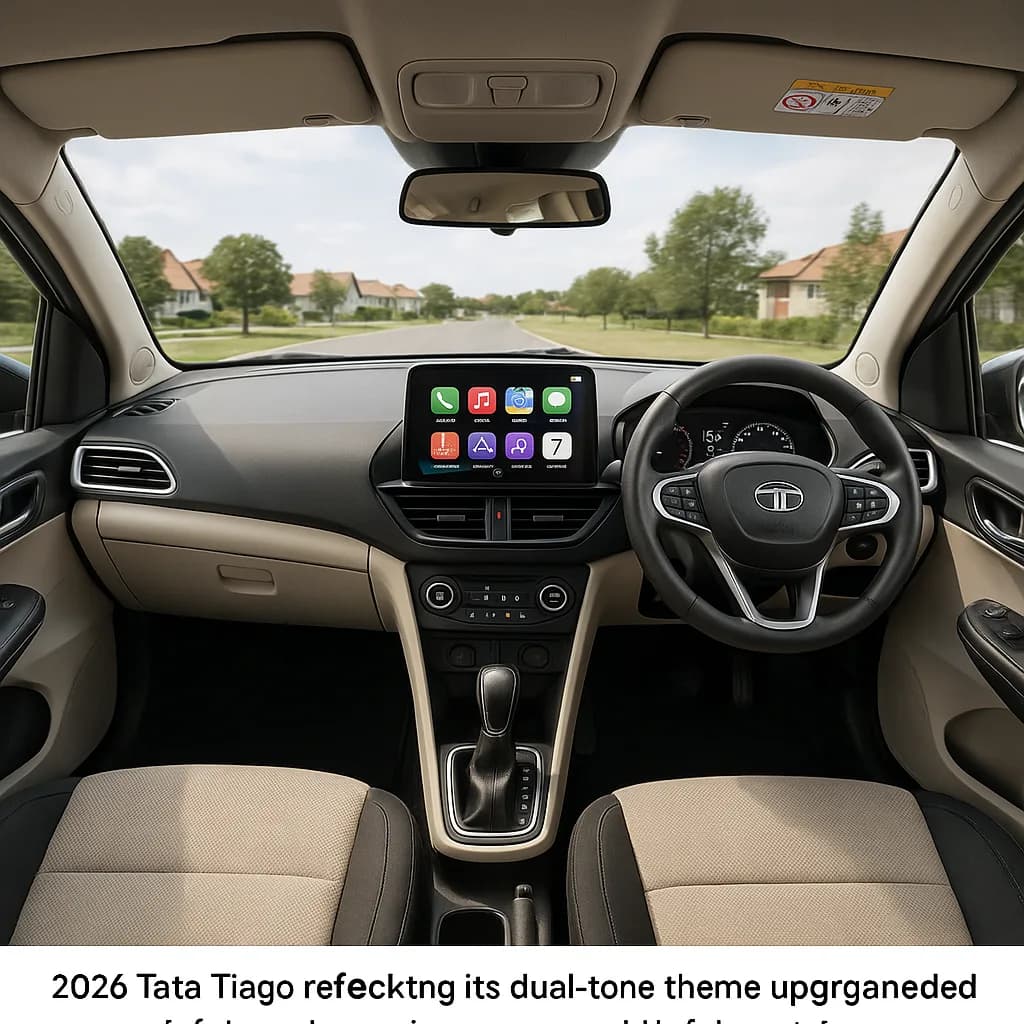
The interior is where you, the driver, spend most of your time, and it's also what you're most sentimental about. Great interiors invite relaxation and focus during long drives or congested commutes. Whether it's the comforting hug of well-worn leather seats or the convenience of an intuitive dashboard, these features make parting with the car difficult.
Creature comforts
Most modern vehicles boast a suite of comfort features, from climate control to infotainment systems that sync seamlessly with smartphones. Over time, these creature comforts integrate into daily routines, making it hard to imagine life without them. This can add to the guilt when thinking about letting your beloved car go.
Reliability and setup
Knowing where everything is inside your car is part of what makes the driving experience uniquely yours. You’ve likely fine-tuned the seating position, set up the sound system according to preference, and possibly even customised aspects of the interior. Leaving behind a setup that feels like second nature adds to the sense of loss.
Engine and performance
When contemplating selling your car, the heart of the matter often lies beneath the bonnet. A trusty engine that starts with the first turn of the key and is still roaring to go can tug at your heartstrings. Performance is a key consideration, particularly if you’ve had many joyful experiences of smooth rides or exhilarating speeds.
Manual vs automatic
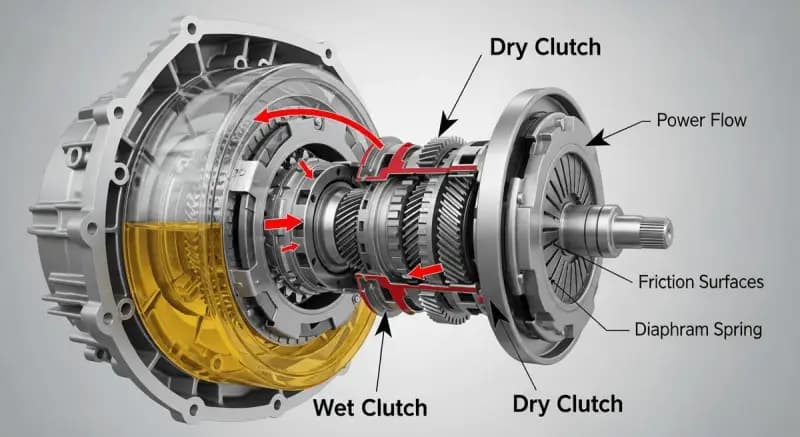
Differences in transmission can also play a role in the decision to part with a car. Manual cars, for example, can provide that hands-on driving experience many enthusiasts love, feeling connected to every gear change and road undulation. Selling such a car when new automatics are more the fashion adds another layer of nostalgia to deal with.
Fuel efficiency and costs
Caring for a vehicle also involves being mindful of its fuel efficiency and running costs. If yours has been particularly efficient or economical, parting with it just as fuel prices climb can feel counterintuitive. Selling a car that runs efficiently while satisfying all your financial needs is indeed a challenging decision.
Safety features
The evolution of safety features in cars has been nothing short of remarkable. Still, some older models come equipped with safety components that have become a standard over the years, such as ABS, airbags, and crash-resistant frames, providing peace of mind for every journey.
Modern safety technologies
However, with advances in technology, newer models now offer an array of electronic safety aids that older vehicles may lack. Keeping your family protected with cutting-edge features like lane departure warnings and adaptive cruise control can sometimes tip the balance in favour of upgrading to a newer car.
Weighing risks and rewards
Deciding to let go of a model that lacks the latest safety features can be rationalised, but it also involves weighing the risks and rewards. The decision is often influenced by the combined factors of safety performance and the sentimental value of the car in question.
Price and variants
Price plays an imperative role in the decision to sell a car. While some might wish to extract the maximum value possible, others may want a quick sale, even if it means accepting a lower offer. Cars that are still valuable present a financial dichotomy between loyalty to an old friend and the rational need for an upgrade.
Holding market value
Some cars are notorious for holding their value, such as certain luxury or rare models, which makes selling them a hefty decision. Knowing your car is still worth a small fortune can slow the decision-making process, while rustling up every emotion stated above. Is the opportunity for financial gain worth the sentimental loss?
Variant considerations
Different variants of a model may also hold their own intrinsic values. A limited edition or a particularly distinctive paint job may add to its worth and allure, making it an even tougher decision to sell.
Comparison with competitors
One of the practical ways to alleviate guilt over selling a car is to compare it with current market competitors. While your current car may meet many of your needs, evaluating the options out there could reveal new preferences or needs.
Performance upgrades
Analysing competitor models often uncovers interesting performance upgrades. While your car may win in sentiment, others may offer improved handling, acceleration, or a more comfortable drive. Trading up to a vehicle that stands out with its performance is often seen as a smart move.
Technological advancements
The pace of technological development is swift, and automotive advancements are consistently being integrated into new models. Features such as integrated satellite navigation, connected ecosystems, and automated driving aids offer temptations that are hard to resist.
Pros and cons
Like any significant decision, selling a car that still has life left presents a balance of pros and cons that need to be carefully weighed. Understanding these factors can guide you to a decision that's both logical and emotionally satisfying.
Pros of selling
The benefits of selling include the opportunity for an upgrade, reduced maintenance costs, and aligning with evolving needs. A newer car itself could offer better fuel efficiency, lower emissions, and a more delightful overall driving experience.
Cons of selling
On the other side, cons may include the financial burden of a new purchase, the potential for buyer's remorse, and, most significantly, losing the reliable, emotive companion you and your family may have grown to love.
Should you buy it / Final verdict
Should you part ways with your beloved car that still runs well? Consider first the evolving needs, both practical and aspirational, along with a clear sense of your financial situation. Yet, intangibles like sentiment and nostalgia hold value only you can quantify. Moving on to a new car shouldn’t be just about practicality, but should also bring excitement and the promise of new adventures.
If the emotional attachment overshadows the urge to upgrade, it might be wiser to hold onto your faithful steed. After all, selling doesn’t have to mean a newer model is the better choice; sometimes it’s all about making the journey enjoyable according to your own metrics.
Closing paragraph
Navigating the selling decision's emotional and practical factors isn't always easy but taking a balanced approach can lead to a satisfying conclusion, whether you sell or stay with your car. For more insights, engaging automotive stories, and expert advice, stay tuned to Nxcar for all your automotive needs and questions. Happy motoring!