Introduction
In the tapestry of Indian automotive culture, where high-revving engines and head-turning designs often steal the spotlight, an understated segment quietly thrives. These are the so-called 'boring' cars, vehicles that don’t make headlines or dramatically capture imaginations but serve their owners with unwavering reliability and practicality. There is a unique and profound satisfaction that comes with owning such a vehicle, especially in India, where diverse driving conditions and practical necessities often outweigh the demands for thrilling performance and flamboyant designs.
In this article, we'll dive deep into understanding what makes these unpretentious vehicles surprisingly appealing and why many Indian car owners remain fiercely loyal to them. From a focus on reliability to cost-effectiveness, these 'boring' cars often present unique advantages that are not just about reaching from point A to B but doing so with a sense of quiet pride.
Design and Exterior
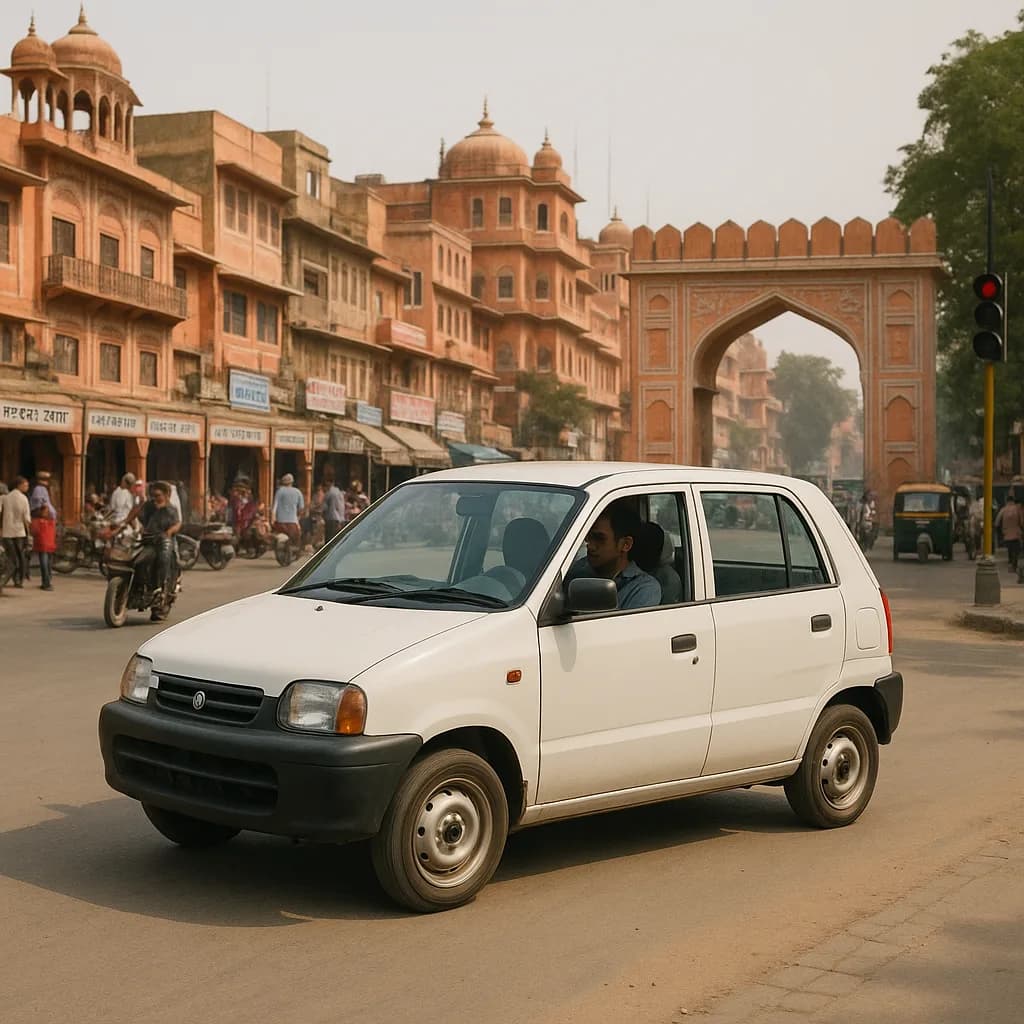
The so-called 'boring' car typically embodies conservative styling that’s designed to weather the test of both time and trends. In the Indian context, think of models like the Maruti Suzuki Alto or the Hyundai Santro. These hardly evoke the drama found in more flamboyant models but bring a simplicity that blends seamlessly in both urban and rural settings. Their designs often feature straightforward lines and practical proportions.
While they might not win design awards, these cars are masters at maximising space efficiency and functionality. Take, for example, the no-frills approach to aerodynamics and compact dimensions, making them ideal for navigating the narrow lanes and congested roads of many Indian cities. It’s this practicality-focused design ethos that makes these vehicles reliable daily companions rather than prestige symbols.
Interior and Features
Step inside a 'boring' car, and you’re likely to find comfort over opulence. Interior designs are crafted to serve function over form. The materials used might lean more towards hard-wearing plastics than leather, but they offer long-lasting durability. The layout is intuitive, ensuring that every button and knob is within easy reach, perfectly tuned to meet the practical needs of a busy Indian lifestyle.
In terms of features, these cars don’t necessarily boast cutting-edge technology. You may find basic yet useful amenities such as air conditioning, power windows, and perhaps a basic infotainment system. The emphasis is often on reliability, which is why many owners find solace in knowing their cars are unlikely to have advanced systems that could end up being costly to repair or replace.
Engine and Performance
'Boring' cars frequently come with modestly powered engines, prioritising fuel efficiency and ease of maintenance over high performance. In India, fuel economy is a critical selling point and for a good reason. Models like the Tata Tiago or Honda City show that everyday use doesn’t have to mean compromising on efficiency. Underneath the bonnet, you often find small displacement petrol or diesel engines that provide adequate power for everyday maneuvers while sipping the smallest possible amount of fuel.
The performance often lean towards smooth, predictable drives rather than exhilarating speed. These cars are designed to tackle city commutes with absolute ease, offering refined drivability that's hassle-free. It's not about accelerating from 0 to 100 in seconds, but rather ensuring you reach your destination comfortably and reliably.
Safety Features
While 'boring' cars may skimp on creature comforts and engine power, they do not compromise on safety. Many entry-level and mid-segment vehicles in India are now equipped with a satisfactory level of safety features, which often include anti-lock braking systems (ABS), electronic brake force distribution (EBD), and dual front airbags, features that were once exclusive to premium cars.
Manufacturers have begun prioritising safety even in the budget segment, recognising its importance among increasingly aware consumers. The result is that today's 'boring' cars are more secure than they've ever been, providing peace of mind to families who value protection over performance.
Price and Variants
One of the most attractive aspects of 'boring' cars is their affordability. They frequently come with a lower price tag compared to their more extravagant counterparts. In a market like India, affordability is a crucial factor, and vehicles such as the Renault Kwid or Maruti Suzuki Celerio provide a multitude of variants that cater to different budgets and needs, increasing their appeal across a broader audience.
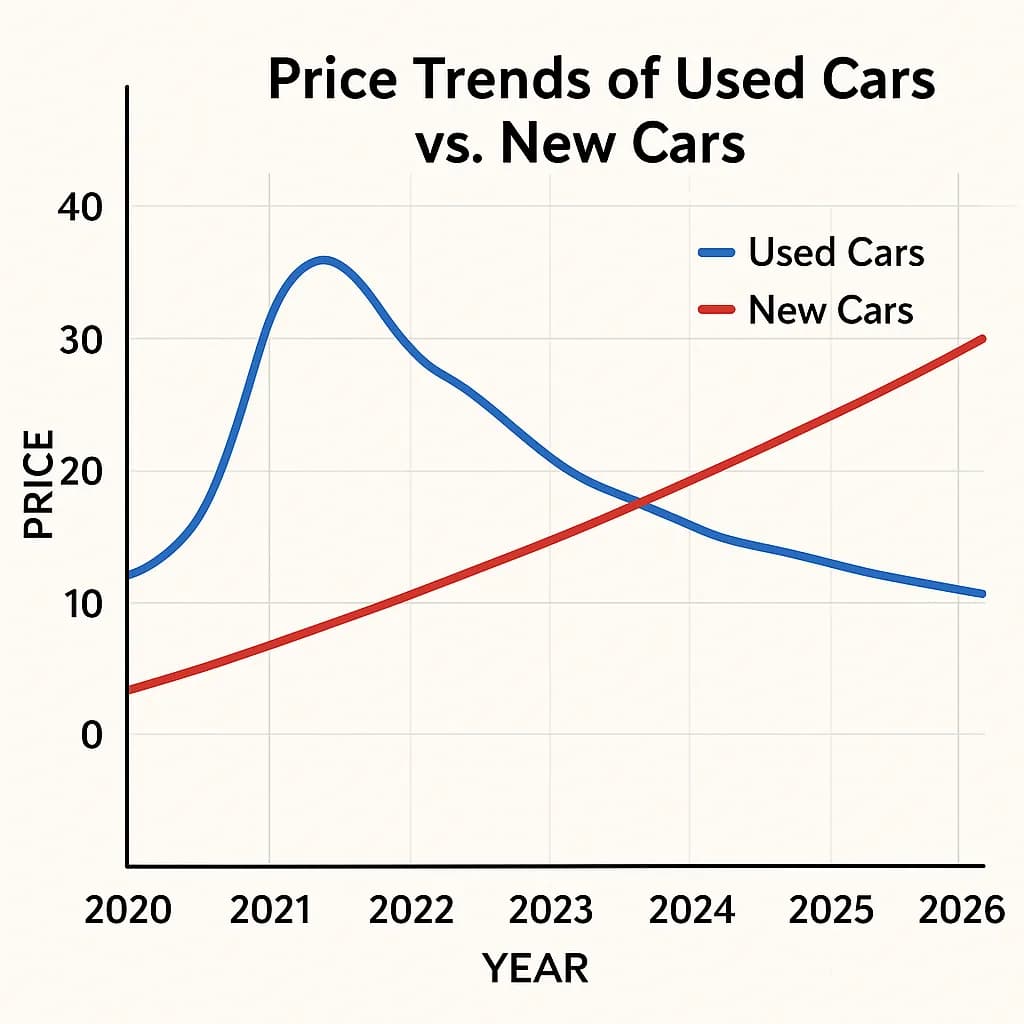
These cars also offer excellent value for money, not just in terms of the initial purchase price but also with regards to maintenance and resale. The economical variants ensure that they remain accessible to first-time car buyers and other budget-conscious consumers, adding to their widespread popularity in the Indian automotive market.
Comparison with Competitors
When stacked against more 'exciting' vehicles, 'boring' cars may not have the same allure or draw rapid appreciation from petrolheads. Yet in terms of practicality and reliability, they often perform significantly better. Cars like the Toyota Etios or Honda Amaze uphold their reputation for durability and low maintenance costs, putting them ahead of the curve in everyday usability compared to more exotic but maintenance-heavy alternatives.
The simple yet diligent engineering of these cars often translates into higher customer satisfaction rates and lower depreciation, making them a more sensible choice for those looking to buy a car that functions efficiently without catching unnecessary attention.
Pros and Cons
The advantages of owning a 'boring' car often revolve around practicality. High fuel efficiency, low maintenance costs, and greater reliability rate among the top reasons. These vehicles are also many times easier to service, with parts readily available across the country.
However, one must be aware of the potential downsides. The lack of cutting-edge technology and features might deter those who have an affinity for the latest innovations. You might also find the acceleration lacklustre should you find yourself in need of power at short notice.
Should You Buy It / Final Verdict
If you're contemplating a 'boring' car, consider what you truly value in a vehicle. For everyday commuters, families, or those who prioritise economics over thrills, these unassuming cars are perfect companions. They get the job done effectively, offering an effortless ownership experience. However, if you're someone who craves an adventurous, tech-laden drive, you might want to look elsewhere.
Ultimately, the appeal of a 'boring' car lies in its ability to seamlessly integrate into your life without making demands on your time or resources. This enduring quality is what makes these vehicles quietly proud choices for many drivers across India.
Closing Paragraph
As we conclude our look into the quiet pride of owning a 'boring' car in India, it's clear that these vehicles possess an underrated brilliance. Their charm may not be overt, but it is deeply appreciated by those who value consistency and reliability over flashy features. For more insights and the latest updates from the world of automobiles, stay tuned with Nxcar, your trusted partner in the Indian automotive journey.