
Introduction
Bargaining, an age-old practice, often seen as both art and necessity, plays a pivotal role in various aspects of modern commerce, especially within the automotive industry. Whether you're purchasing a new or used vehicle, the ability to negotiate might determine whether you leave the dealership with a smile or a sense of missed opportunity. In a market where the sticker price often isn’t the final word, understanding the dynamics of bargaining can offer significant financial benefits.
In this extensive analysis, we delve into the nitty-gritty of automotive bargaining, drawing insights from over 3,000 listings. By reflecting on these listings, we aim to unravel the effectiveness of bargaining, considering factors such as consumer confidence, the psyche of negotiation, and the ever-evolving automotive market dynamics.
Design and exterior
The design and exterior of a car significantly influence its perceived value during the bargaining process. Potential buyers often assess the vehicle's aesthetic appeal, bodywork condition, and external features as indicators of quality and reliability. In the automotive marketplace, sellers tend to highlight these aspects to justify their asking price.
Researching the 3,000 listings, we found that cars with freshly maintained exteriors and popular colour options commanded less room for negotiation. Buyers were generally more willing to accept the quoted price if the vehicle’s exterior was in immaculate condition, reflecting a deeper psychological bias where beauty equates to value.
Additionally, the inclusion of added exterior features such as alloy wheels, spoilers, and sunroofs played a role in reducing the margin available for bargaining. Sellers often leverage these features as premiums, making them bargaining chips that can sometimes justify a firm stance on pricing.
Interior and features
Delving into the interiors and features, we see another crucial area influencing bargaining effectiveness. Luxury features like leather upholstery, advanced infotainment systems, and cutting-edge safety features increase a vehicle’s appeal significantly.
Through our analysis, it became evident that cars boasting high-end interiors allowed sellers to negotiate from a position of strength. Buyers often showed a willingness to compromise on price if the vehicle offered a premium interior experience, focusing on the long-term enjoyment and comfort.
On the flip side, listings where interiors displayed wear and tear provided buyers with substantial grounds for bargaining. Highlighting flaws such as stained seats or malfunctioning electronics often served as effective leverage to reduce the asking price.
Engine and performance
The heart of any vehicle lies under its hood, and the condition of the engine alongside the performance metrics are central to the negotiation process. Buyers and sellers alike understand the lasting implications of a robust or faltering engine.
A significant portion of the 3,000 listings revealed that performance metrics such as mileage, horsepower, and past maintenance history were pivotal factors in bargaining. Sellers offering vehicles with documented, routine maintenance showcased reliability, gaining upper hand in negotiations by minimising buyer concerns about future repairs.
Conversely, listings with higher mileage or incomplete service records often saw potential buyers negotiating harder on price. In these cases, savvy buyers capitalised on any uncertainties to drive down prices, using the risk of future mechanical issues as a bargaining lever.
Related Reading
Why Used Car Prices Are Rising Faster Than New Cars in 2026Safety features
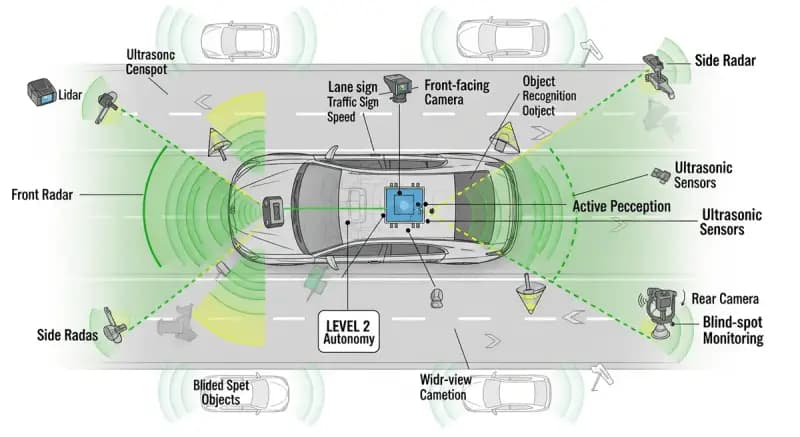
Safety has become an invaluable attribute in the modern automotive landscape, influencing both the sticker price and the ultimate transaction value through negotiation. Cars equipped with state-of-the-art safety features, such as lane assist, automatic braking, and multiple airbags, are generally more appealing.
Our analysis revealed that buyers were willing to pay a premium for such safety assurances. As these features directly impact the well-being of passengers, they often reduce the inclination to bargain. Instead, buyers tend to focus on ensuring that these systems are in proper working order during negotiations.
For vehicles lacking advanced safety features, bargaining became more prevalent. Buyers used the absence of such elements as significant negotiation points, offering lower prices justified by the potential need to invest in aftermarket safety upgrades.
Price and variants
The price and variant of a vehicle are fundamental to the bargaining process. More often than not, buyers approach the market with a clear budget, and this range can expand or contract based on the trim level and the included features.
In the data from our listings, it is evident that entry-level variants provided more flexibility in negotiation. Buyers often anticipated room for offers below the asking price due to the basic nature of their features and absence of luxury elements.
However, when dealing with higher-end variants, which included more features or limited-edition runs, buyers found fewer opportunities to haggle. These variants often came with justifications for higher prices due to exclusivity and increased costs associated with manufacturing a limited run.
Comparison with competitors
When entering negotiation, astute buyers often come armed with information about competitive models and their pricing. This comparative analysis provides a powerful tool for effective bargaining.
Our examination of the listings revealed that comparisons with competitors occasionally put sellers on the defensive, forcing them to compromise on their pricing expectations. Buyers highlighting significant differences in price for similar vehicle features often saw success in lowering the price.
Nevertheless, sellers with models recognised for their reliability and brand reputation, such as Toyota or Honda, managed to maintain firmer positions. The long-standing reputation and consumer trust in these brands often countered competitive pricing pressures.
Related Reading
The Pollution Nobody Talks About and How Brake Dust and Tire Wear Impact Your Used Car PurchasePros and cons
In evaluating the effectiveness of bargaining within these 3,000 automotive listings, distinct pros and cons unfolded.
On the pro side, successful bargaining could lead to substantial financial savings, allowing buyers to acquire vehicles at prices significantly below the initial asking price. It also gave consumers a sense of empowerment and satisfaction, knowing they have negotiated a favourable deal.
However, on the con side, the bargaining process can be time-consuming and frustrating. Miscommunication or overly aggressive negotiation tactics can sometimes sour both the buyer's experience and the ongoing relationship with the seller, especially in cases involving dealerships.
Should you buy it / Final verdict
Given the insights garnered from our analysis of 3,000 listings, it's clear that bargaining remains a viable and often rewarding approach in the automotive marketplace. If approached strategically, with ample research and respectful professionalism, bargaining can lead to fruitful outcomes for consumers seeking to optimise their budgets.
Ultimately, the decision to buy after thorough bargaining depends on the alignment of the vehicle's offering with the buyer's needs and expectations. Buyers with a clear understanding of what they're looking for, equipped with market data and aware of their financial boundaries, stand to benefit the most from taking bargaining seriously.
Closing paragraph
In conclusion, the art of bargaining in the automobile world is alive and well, offering ripe opportunities for both savings and satisfaction. In an ever-competitive market, arming yourself with knowledge and understanding of market trends is key to successful negotiations. For further insights into the evolving nature of automotive buying, bargaining and trends, keep coming back to Nxcar, your premier source for all things automotive in India.