Best Time to Buy a Car in India
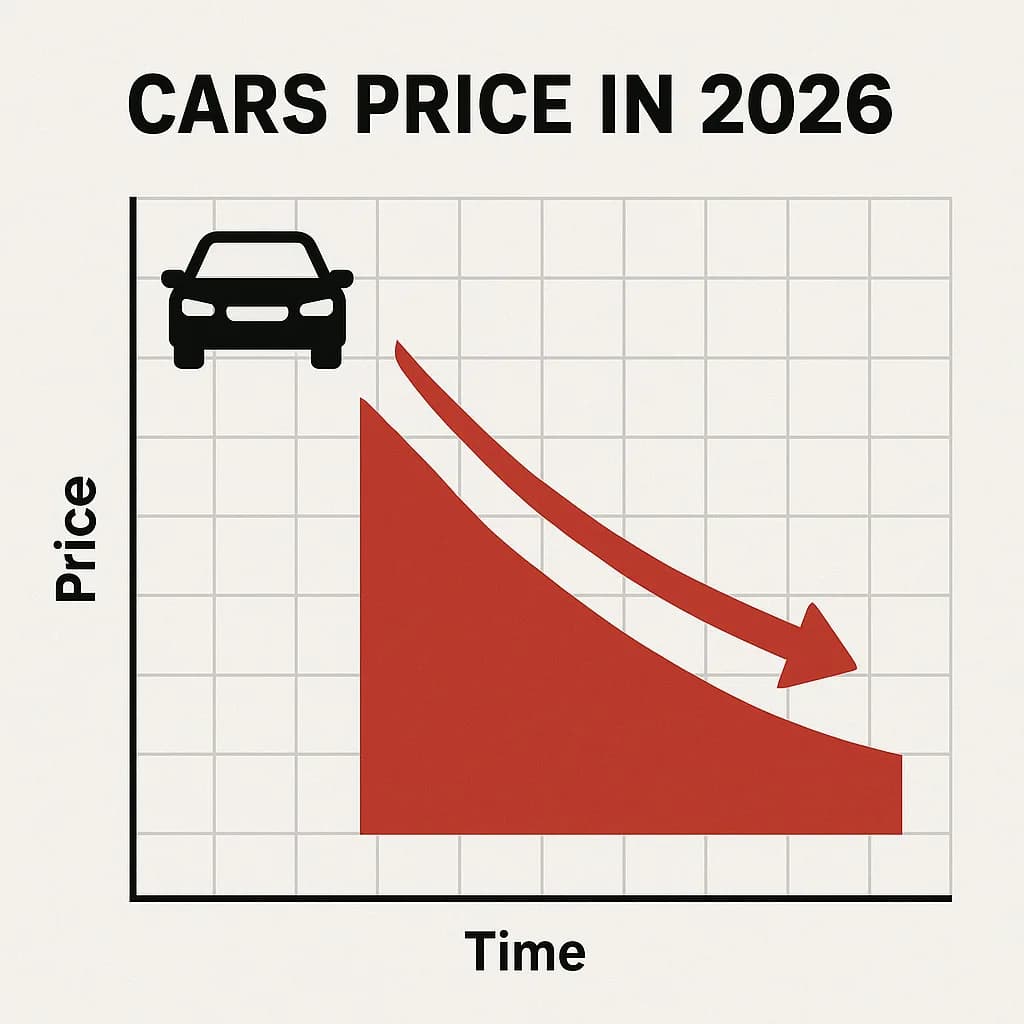
Timing plays a crucial role when purchasing a vehicle in India. While discounts may appear throughout the year, certain periods are especially beneficial for buyers looking for maximum savings. Traditionally, the festive season, including Navratri, Dussehra, Diwali, Christmas, and New Year sales, witnesses some of the best car discounts in India. Automobile dealerships and manufacturers aggressively push sales during these months, offering attractive cash discounts, exchange bonuses, corporate offers, and low-interest finance schemes.
Another ideal time to purchase a car is towards the end of the financial year in March. During this period, dealerships focus heavily on meeting annual sales targets, often leading to additional incentives for customers. Buyers can find excellent deals on hatchbacks, sedans, SUVs, and even premium cars as companies attempt to clear inventory before launching updated models.
Year-end discounts on cars are especially attractive because dealers want to move unsold stock before the next manufacturing year begins. Vehicles manufactured in the previous year may carry slightly lower resale value in the future, which is why manufacturers compensate by offering larger discounts and benefits.
Upcoming Car Launches Impacting Discounts
The launch of facelifted models and next-generation vehicles often triggers substantial price reductions on outgoing versions. In 2026, several anticipated launches from brands like Hyundai, Tata Motors, Mahindra, Maruti Suzuki, and Kia are expected to influence the pricing of current-generation vehicles.
For example, the arrival of updated SUVs and electric vehicles could result in dealers offering discounts on existing petrol and diesel models. Buyers who do not necessarily need the newest version can take advantage of these opportunities and save lakhs of rupees while still purchasing feature-rich and reliable cars.
Related Reading
Best 7-Seater Cars for Long Trips in IndiaPopular SUVs like the Hyundai Creta, Kia Seltos, Tata Harrier, Mahindra XUV700, and MG Hector are expected to remain in high demand. However, whenever upgraded variants or special editions arrive, dealerships typically provide exchange offers and festive discounts to clear older inventory faster.
This trend is not limited to SUVs alone. Premium hatchbacks such as the Maruti Baleno, Hyundai i20, and Tata Altroz may also receive heavy discounts as competition intensifies in the segment.
Electric Cars and Discount Trends
The Indian automotive industry is gradually shifting toward electric mobility, and this transition is significantly affecting discount patterns across the market. As EV adoption increases, several manufacturers are introducing aggressive pricing strategies to maintain the attractiveness of their internal combustion engine (ICE) vehicles.
Electric cars from Tata Motors, MG, Hyundai, and Mahindra are rapidly gaining traction due to lower running costs and government incentives. Consequently, brands may provide better discounts on petrol and diesel variants to retain customers who are not yet ready to transition to electric mobility.
At the same time, discounts on EVs themselves are becoming more common. Some manufacturers offer free charging installations, extended warranties, complimentary maintenance packages, and exchange bonuses to encourage adoption. Buyers considering electric vehicles should carefully compare long-term savings alongside upfront offers.
Related Reading
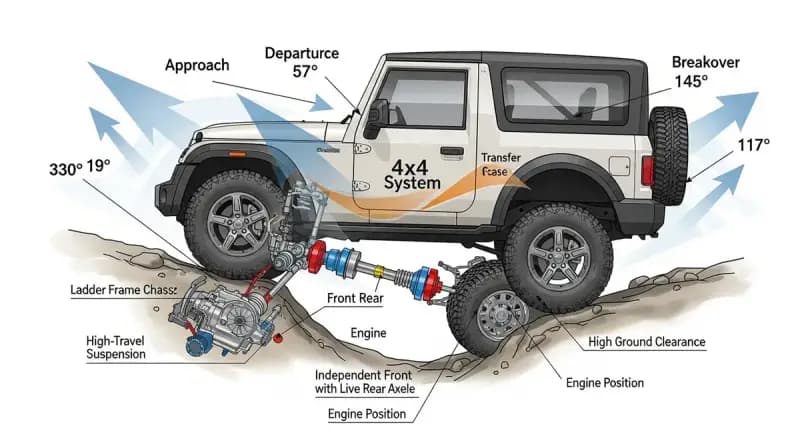
Four-Wheel Drive Systems Compared: Full-Time vs Part-Time vs AWDWith increasing competition in the EV segment, customers are likely to benefit from more aggressive promotional campaigns in the coming months.
How to Get the Maximum Discount on a Car
Many buyers assume the listed offer on advertisements is the final deal, but experienced negotiators know there is often room for additional savings. To maximise discounts on new cars in India, buyers should approach multiple dealerships and compare quotations carefully.
Dealerships frequently offer hidden benefits such as free accessories, extended warranty packages, complimentary insurance, or lower processing fees. Negotiating during the final days of the month can also improve your chances of securing a better deal, as dealerships attempt to achieve monthly sales targets.
Exchange bonuses can significantly reduce the purchase price if you already own a vehicle. Many brands offer attractive exchange benefits for used cars, especially SUVs and hatchbacks. Corporate discounts for salaried employees and loyalty bonuses for existing brand owners can further lower the final on-road price.
Another smart strategy is opting for slightly older stock manufactured a few months earlier. These vehicles are brand new but often come with much larger discounts compared to freshly manufactured units.
Related Reading
Aerodynamic Efficiency in Contemporary SUV Designs: A Computational Fluid Dynamics StudyMost Discounted Car Segments in India
Different car segments witness varying discount trends depending on market demand and inventory levels. Hatchbacks usually receive steady discounts because of their highly competitive pricing. Models like the Maruti WagonR, Hyundai Grand i10 Nios, and Tata Tiago frequently appear in festive offers and exchange schemes.
Sedans, a segment that has seen declining popularity due to the SUV boom, often witness aggressive discounts as manufacturers try to sustain demand. Cars like the Honda City, Hyundai Verna, Volkswagen Virtus, and Skoda Slavia may offer exceptional value during promotional periods.
However, SUVs remain the most heavily marketed category in India. Compact SUVs and mid-size SUVs dominate buyer preferences, leading manufacturers to introduce aggressive financing schemes, low EMI plans, and loyalty bonuses to attract customers.
Luxury cars are another category where discounts can be surprisingly substantial. Premium manufacturers often provide year-end offers, low-interest finance options, and maintenance packages to improve sales numbers.
Things to Check Before Buying a Discounted Car
Related Reading
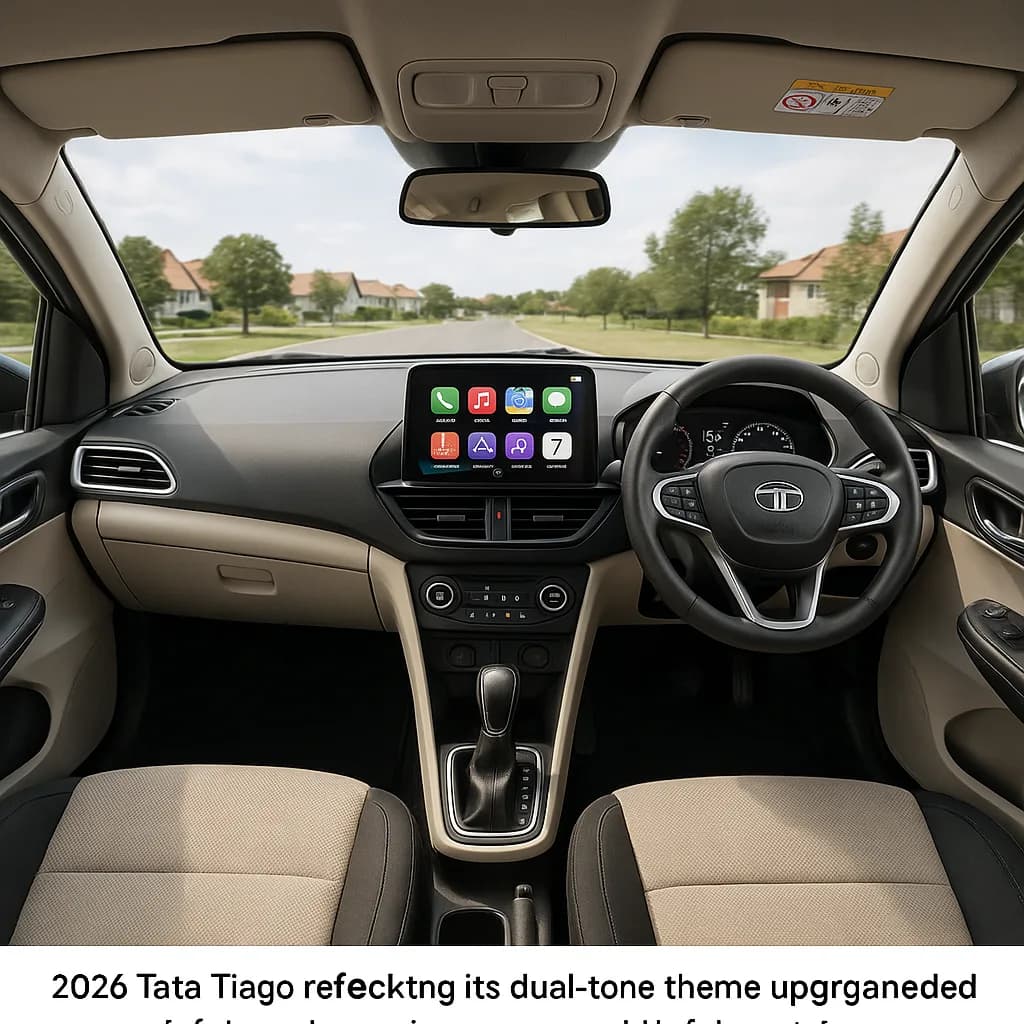
2026 Tata Tiago Facelift - Top 10 Biggest HighlightsAlthough discounts can be tempting, buyers should never rush into a purchase without conducting proper checks. A heavily discounted car may sometimes belong to old inventory, test-drive usage, or discontinued variants. Carefully inspecting the manufacturing date is essential before finalising the purchase.
Additionally, buyers should verify the warranty coverage, service history (if applicable), insurance details, and resale prospects of the model. A lower purchase price may not always translate into better value if the car suffers from poor fuel economy, expensive maintenance, or low resale demand.
Test driving the vehicle remains one of the most important steps. Even if the deal appears attractive on paper, the actual driving experience should align with your expectations and needs.
Reading customer reviews, reliability reports, and ownership experiences online can also help buyers avoid future disappointments.
Conclusion
The Indian car market continues to evolve rapidly, bringing exciting opportunities for buyers seeking the best car deals and discounts. From festive offers and exchange bonuses to year-end clearance sales and launch-related markdowns, there are multiple ways for smart buyers to save significantly on their dream vehicle.
Whether you are planning to buy a compact hatchback, a feature-loaded SUV, or a premium sedan, staying informed about ongoing car offers in India can help you secure maximum value for your money. Timing, negotiation, and research are the key pillars of making a financially rewarding automotive purchase.
As manufacturers continue introducing newer technologies, stricter emission-compliant engines, and electric mobility solutions, discount trends are expected to become even more competitive. Buyers who stay updated with the latest automotive news and dealership offers will undoubtedly benefit the most in this ever-changing market.