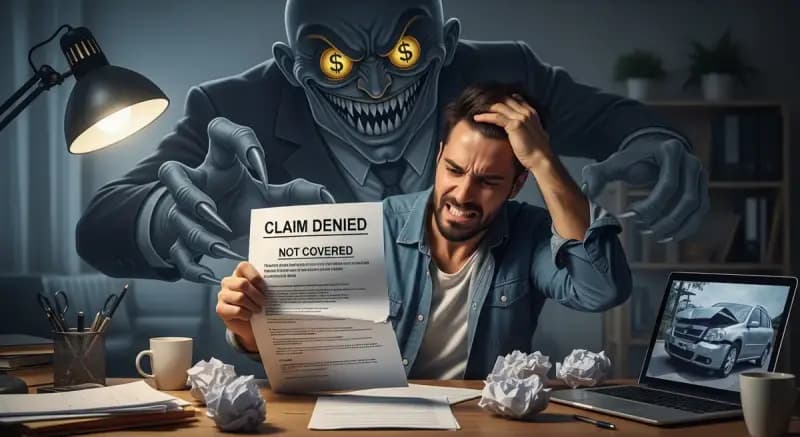
Insurance companies collect premiums eagerly but fight claims viciously. If your claim was rejected, you're not alone, and it probably wasn't your fault. Here's how the system works against you.
The Documentation Trap
Policies require immediate notification of accidents. But accidents are chaotic, you're dealing with injuries, police, and tow trucks. Miss a deadline, skip a form, or file improperly, and you've given them grounds for rejection.
The solution: photograph everything immediately. File FIRs even for minor accidents. Notify insurer within 24 hours by any means. Follow up in writing.
Pre-existing Damage
Insurers inspect vehicles at claim time, not policy inception. Any prior damage becomes grounds to question your claim, even if the prior damage is unrelated to the current incident.
The solution: photograph your vehicle comprehensively at policy start. Document existing scratches and dents. Keep records.
The Surveyor Game
Surveyors work on insurer's behalf, not yours. They're incentivized to find reasons to reduce payouts. Their 'assessments' often undervalue damage or attribute fault to you.
The solution: get independent repair estimates. Challenge surveyor reports formally. Escalate to IRDAI if necessary.
Fighting Back
Most rejected claims can be reversed through persistence. File grievances with the insurer. Escalate to IRDAI. Consider Ombudsman for disputes under Rs 30 lakh. The system favors those who fight.
The Bigger Picture
These concerns aren't isolated incidents but symptoms of systemic issues in India's automotive retail landscape. The power imbalance between dealers and consumers, combined with information asymmetry, creates conditions ripe for exploitation. Understanding this context helps buyers protect themselves and push for better practices.
Practical Implications
Beyond the obvious frustrations, these issues have tangible financial consequences. Buyers who fall victim to these practices may find themselves underwater on their purchases within months. The hidden costs accumulate, from overpriced accessories to unnecessary add-ons, eroding the value proposition that initially attracted them to a particular vehicle.
What Buyers Can Do
Empowered consumers are the best defense against questionable practices. Thorough research before entering a showroom, willingness to walk away from unfavorable deals, and sharing experiences with fellow buyers create accountability. Online forums and owner communities have become invaluable resources for cutting through marketing noise.
Industry Response
Some manufacturers recognize that customer dissatisfaction ultimately hurts their brands. Progressive companies are implementing stricter dealer oversight, transparent pricing, and customer feedback mechanisms. However, change is slow, and buyers should remain vigilant rather than assuming all players have reformed.
This take comes from Nxcar , where our love for cars includes protecting the people who drive them. Stay curious, stay skeptical.