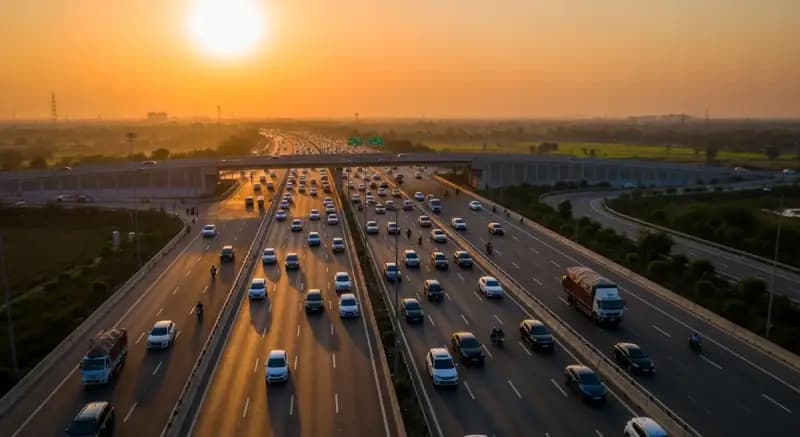
The National Highways Authority of India (NHAI) has announced an ambitious target to complete 12,000 kilometers of new national highways by December 2026, representing the largest road construction push in the country's history and a transformative development for the automobile industry.
The Rs 3.5 lakh crore program includes completion of the long-delayed Delhi-Mumbai Expressway, the Bengaluru-Chennai Expressway, and numerous access-controlled highways connecting tier-2 and tier-3 cities to major economic centers.
Economic Impact
Transportation economists estimate that the expanded highway network will reduce logistics costs by 15-20% and cut travel times between major cities by approximately 40%. This has significant implications for the automobile industry.
"Better roads mean more kilometers driven, which means more cars sold," explains automobile industry veteran R.C. Bhargava. "They also make personal vehicles more attractive relative to railways and airlines for inter-city travel."
Strategic Corridors
Key projects include:
Related Reading
Market Intelligence: Why Used Car Prices Are Finally CrashingThe Delhi-Mumbai Expressway (1,386 km), expected to reduce driving time from 24 hours to 12 hours, will be India's longest expressway when completed in mid-2025. The Bengaluru-Chennai Expressway (262 km) will cut travel time from 6 hours to under 2 hours. The Amritsar-Jamnagar corridor will connect Punjab to Gujarat's ports, facilitating agricultural exports.
Automotive Industry Response
Automobile manufacturers have welcomed the development. Maruti Suzuki has announced plans to expand its rural dealer network in anticipation of improved connectivity. Tata Motors is developing highway-focused variants of its commercial vehicles with enhanced fuel efficiency for expressway driving.
Related Reading
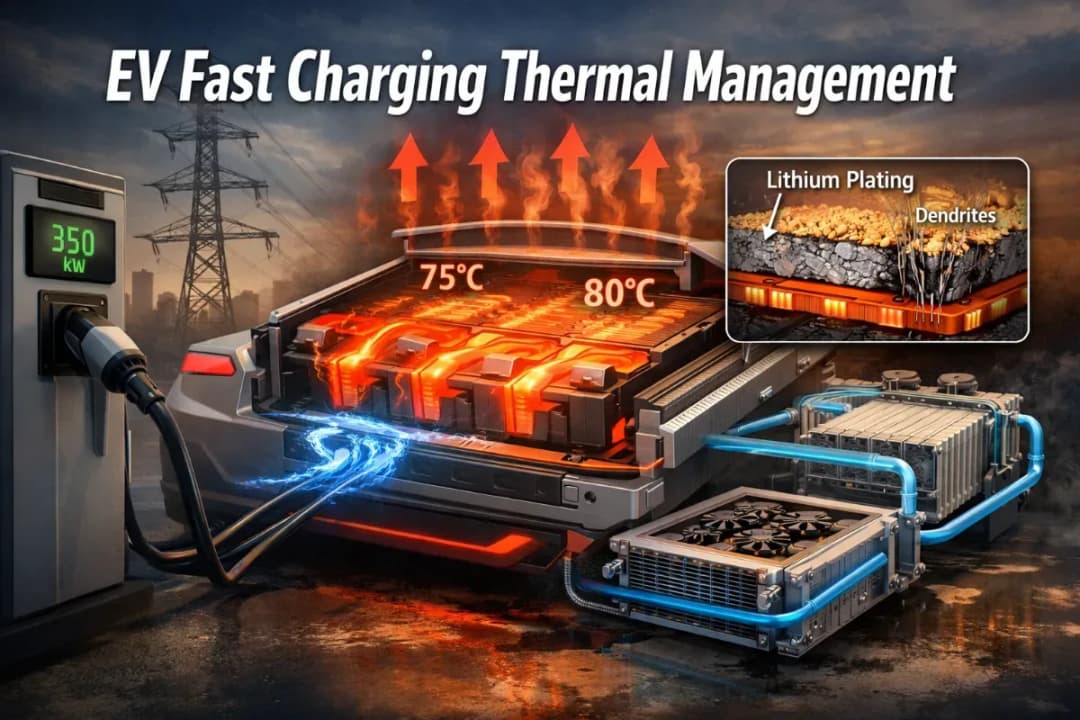
Aerodynamic Efficiency in Contemporary SUV Designs: A Computational Fluid Dynamics StudyThe development also has implications for electric vehicle infrastructure, with NHAI mandating fast-charging stations every 25 kilometers on new expressways.
"Infrastructure is the enabler of EV adoption," notes Mahindra Electric CEO Mahesh Babu. "These highways will be the backbone of India's electric mobility future."
Industry Impact
This development carries significant implications for India's automotive ecosystem. Industry analysts suggest that the ripple effects will be felt across the supply chain, from component manufacturers to dealership networks. The competitive landscape is likely to shift as established players respond to market dynamics and consumer expectations evolve.
Consumer Perspective
For Indian car buyers, these changes present both opportunities and considerations. Price-conscious consumers may find new value propositions emerging, while those focused on long-term ownership costs should factor in evolving technology and service networks. The market is becoming increasingly sophisticated, requiring buyers to make more informed decisions.
Regional Variations
The impact will vary across different Indian markets. Metropolitan areas with higher purchasing power may see accelerated adoption of new technologies and brands. Tier-2 and Tier-3 cities, which increasingly drive automotive sales growth, will likely follow different adoption curves based on infrastructure readiness and price sensitivity.
Looking Ahead
As the Indian automotive market matures, developments like these reshape the competitive landscape. The coming years will reveal which players successfully navigate these transitions and which struggle to adapt. Consumers ultimately benefit from increased competition and innovation, though the transition period may bring uncertainty for some segments.
Curated by Nxcar: Where passion meets expertise. Our love for cars old and new drives every story we tell.