Introduction
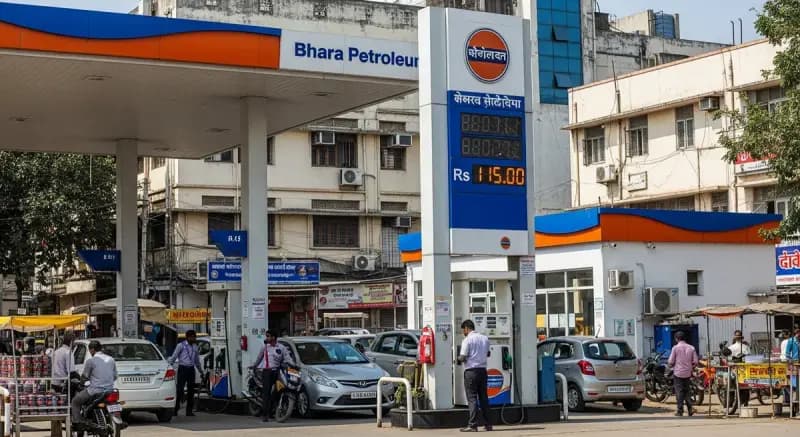
In recent years, rising fuel prices have become a significant concern for car buyers in India. The cost of fuel has been steadily climbing due to various factors such as higher global demand, geopolitical instability, and domestic taxes. As a result, both prospective and current car owners are reevaluating their transportation needs, with a prominent impact on the used car market.
This economic pressure has led many to seek alternatives that promise fuel efficiency and cost-effectiveness. Consequently, the criteria for selecting a vehicle have begun to evolve, affecting not only the choices available in the new car segment but also significantly influencing the used car landscape. In this article, we'll examine how these changes are shaping the decisions of Indian consumers.
Design and Exterior
Interestingly, the design and exterior of cars in the used market may not be the primary focus anymore. Buyers who once prioritised stylish looks and brand prestige are now more concerned about the overall efficiency and practicality of their vehicles. It is not to say that aesthetics have taken a back seat entirely, but they are now weighed against practical considerations such as aerodynamics, which can affect fuel consumption.
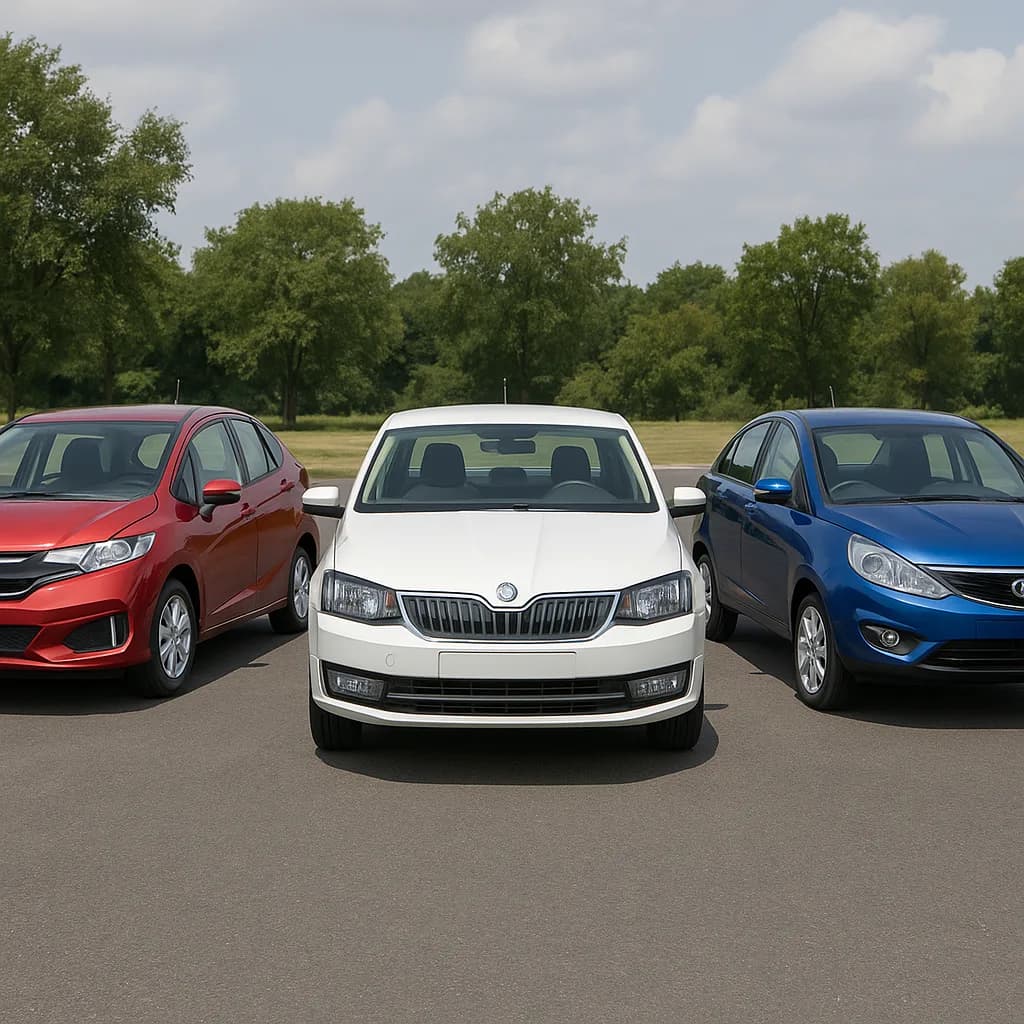
Manufacturers have also responded to these shifting preferences by ensuring that even compact and economically viable models are appealing. This has led to a rise in the popularity of hatchbacks and compact SUVs, which are revered for their practicality and relatively lower fuel consumption compared to larger vehicles. These models often feature designs that reflect a harmonious balance between aesthetics and functionality.
Interior and Features
The interior and features of used cars are also seeing a shift in importance in buyers' criteria. Whereas luxury features such as leather upholstery and panoramic sunroofs were once heavily desired, the focus has moved towards features that enhance fuel efficiency and driving economy.
Consumers now seek modern amenities like start-stop systems, which automatically switch off the engine at idle stops, as well as vehicle telematics that track fuel consumption patterns. Additionally, infotainment systems that support navigation and connectivity features like Android Auto and Apple CarPlay are favoured for aiding in route planning and fuel-saving driving practices.
Buyers are also becoming increasingly interested in comfort features that do not overly burden the vehicle's weight, ensuring that fuel efficiency remains uncompromised.
Engine and Performance
The engine specifications of used cars have arguably seen one of the most significant shifts. Where performance and power once reigned supreme, efficiency has now taken the throne. Smaller displacement engines with superior mileage are gaining traction among used car buyers who are focused on getting the best bang for their audible buck in terms of fuel.
Turbocharged engines and hybrid systems are particularly appealing in this regard, offering a good balance between performance and fuel economy. Furthermore, the burgeoning interest in CNG-fitted vehicles showcases a clear tilt towards alternative fuels that offer a more economical fuel consumption ration.
Electric vehicles (EVs) are also slowly making their mark in the used car realm as an increasing number of Indian consumers become environmentally conscious and technologically savvy, recognising the long-term cost benefits of these greener alternatives.
Related Reading
Why Car Reviews Focus on the Wrong ThingsSafety Features
While fuel efficiency now seems to overshadow many other attributes, safety remains non-negotiable for Indian buyers. Enhanced safety features are often sought out, provided they do not significantly affect the vehicle's weight and, consequently, its fuel economy.
Modern used cars are expected to have requisite safety elements like ABS, airbags, and electronic stability programs. These features have become standard fare, even though they were once deemed additional luxuries. Comprehensive safety does not only keep passengers secure but also offers a high resale value, which is a crucial factor in the used car market.
Price and Variants
Rising fuel prices have naturally led consumers to opt for vehicles that offer more value per litre of fuel used. Consequently, price sensitivity has increased, prompting buyers to carefully compare variants and opt for those with fuel-efficient engines even within the same brand or model line-up.
This change is reflected in an increased demand for base and mid-level variants that balance essential comfort and safety features with better mileage. All in all, the adaptability in the choice of variants has allowed buyers to make a prudent decision that aligns with their financial and practical constraints.
Comparison with Competitors
With fuel prices driving change, competition among brands in the used car market has grown fierce. Brands that offer economical models with reputations for fuel efficiency, like Maruti Suzuki and Hyundai, continue to perform strongly. Their vast service networks and easy access to affordable spare parts further bolster their standing in the used market.
On the other hand, international brands like Honda and Toyota are making headway through hybrid technologies that promise superior fuel economy. Such vehicles, though initially more expensive, present robust lifetime value. This enhanced fuel efficiency offering makes a compelling case for those who prioritise long-term savings over immediate expenses.
Related Reading
The Most Underrated Cars Nobody Talks About in IndiaPros and Cons
Opting for a fuel-efficient used car comes with its set of advantages and drawbacks. On the plus side, these vehicles offer reduced day-to-day running costs and a smaller carbon footprint, contributing to environmental benefits. The acquisition of models with more efficient engines also often means enjoying the benefits of modern automotive technology and amenities.
Conversely, the demand for these vehicles can lead to higher premiums in the used market. Moreover, buyers may have to make trade-offs on sizes and luxury features. Yet, the overall benefits often outweigh these considerations, pushing the balance in favour of fuel-efficient and economically reasonable options.
Should You Buy It / Final Verdict
Purchasing a used car in today's fuel-dominated market involves careful consideration. If fuel economy is an absolute priority, opting for compact, hybrid or CNG options in established brands might just be the perfect decision. Additionally, factoring in considerations such as maintenance costs, availability of spare parts, and resale value tend to offer an economical advantage in the long run.
The decision heavily depends on personal commuting needs and budget. However, it is increasingly evident that good fuel efficiency is now at the forefront of most buyers' minds when selecting a used vehicle. As fuel prices continue to rise, so too will the focus on economical, eco-friendly, and forward-thinking automotive solutions.
Closing Paragraph
As you navigate the intricacies of the used car market amidst changing economic landscapes, remember that informed decisions lead to fulfilling investments. Keep checking Nxcar for the latest updates and insights that help you stay ahead in the dynamic world of automobiles.
Related Reading
How Much Money Does Your Car Lose Every Day?