Introduction
Buying a used car can be an excellent option if you're looking for value for money and avoiding the high depreciation rates of new vehicles. However, during the monsoon season, a time when roads turn into swimming pools and humidity peaks, there are additional considerations to keep in mind before finalising your purchase. This time of year brings about specific challenges that could significantly impact your decision.
The monsoon rains can cause or reveal a variety of issues such as rust, water damage, and electrical corrosion. This guide is here to lay out the essential checks and considerations you should have on your list when evaluating a used car during the rainy period. With these insights, you'll be equipped to navigate the used car market more confidently, ensuring that your purchase doesn't turn into a soggy investment.
Design and Exterior
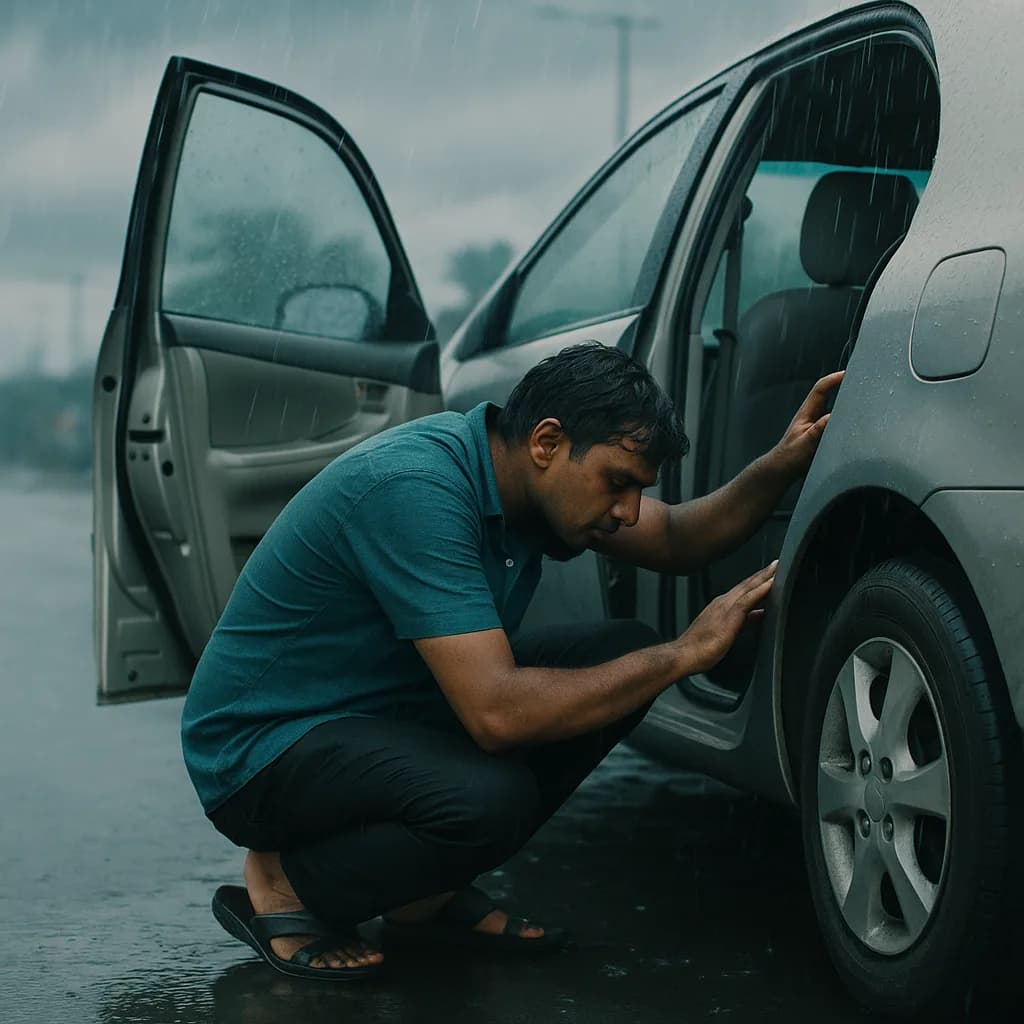
One of the first aspects to examine when purchasing a used car in monsoon conditions is its exterior. Check for signs of rust, especially around the wheel arches, door edges, and the lower parts of the car that face frequent exposure to water and spray. Rust is not only unsightly but can compromise the car's structural integrity if left untreated.
A thorough inspection should also include checking for any body damage that may not have been repaired properly. Look for mismatched paint colours or uneven surfaces indicative of a sub-par restoration. Pay close attention to the windshield, mirrors, and windows. Any cracks or chips could become serious issues as temperature changes and moisture take their toll.
Don't forget to verify the condition of essential weatherproofing elements such as the seals around windows and doors. Any gaps or deteriorations here could allow water to seep into the car's interior, causing further complications.
Interior and Features
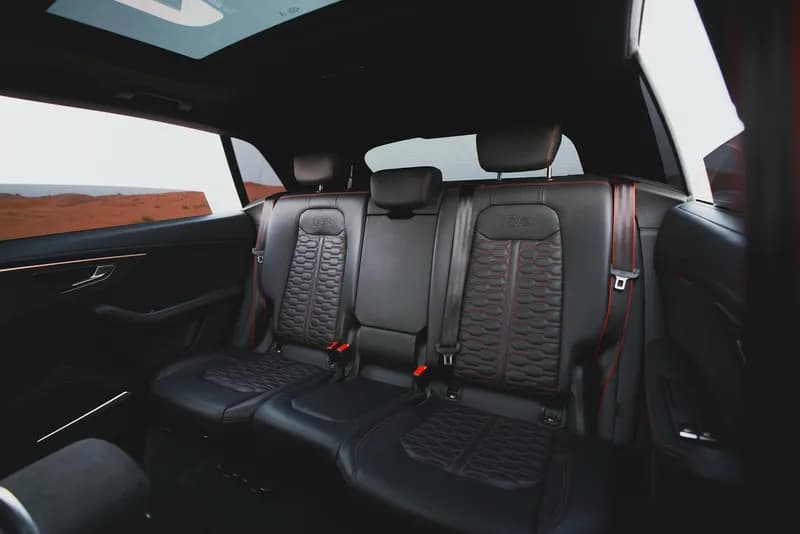
The interior condition can tell you a lot about how the car has been maintained, particularly during the monsoon season. Look for signs of water damage such as stained, wet, or mouldy upholstery. A damp smell could also indicate underlying issues.
Next, inspect the electronics, as these are particularly vulnerable to moisture damage. Ensure that the AC system, infotainment unit, power windows, and other electrical features are functioning appropriately. Any glitches or malfunctions could hint at water interference.
Also check for non-electronic features like the gear lever, hand brake, and pedals for signs of wear and tear, rust, or any unnatural grinding noises. The condition of these elements can offer insights into the car's overall condition.
Engine and Performance
An often overlooked area, the engine bay must be one of your primary inspection points. Check the oil dipstick for any signs of moisture—milky or frothy oil could indicate water contamination, which is a red flag.
Test the engine sounds by starting the vehicle, listening for any roughness or anomalies that shouldn't be present. During test drives, pay attention to the feel of the engine. If the car sputters, hesitates, or if there are any warning lights on the dashboard, the vehicle might have suffered internal or electronic damage due to moisture.
Moreover, look for signs of leakage around the engine bay and confirm the alternator and battery are in good condition. These critical components often suffer from water exposure, affecting the car's overall reliability.
Safety Features
Driving in monsoon conditions can be risky. Therefore, make sure that the used car is properly equipped with functional safety features. This includes checking that all airbag systems are in working order, as well as the anti-lock braking system (ABS) and traction control systems, both vital for wet road conditions.
Also, verify that the windscreen wipers work effectively. In heavy rain, good visibility is essential, and any failure in the wiper system can be a serious safety hazard. Look at the brake pads and rotors as well, ensuring they are not worn out and can provide good stopping power even on slippery surfaces.
Price and Variants
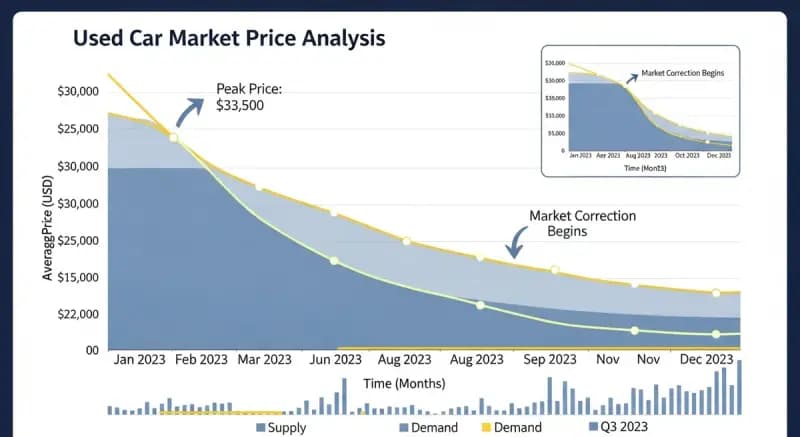
Used car pricing can be quite varied during the monsoon due to several external factors, including the age of the car, manufacturer, and overall condition. It’s essential to do your homework and compare prices for similar models in your region.
Checking for variants is equally important. Some variants may offer additional features that are particularly beneficial during the monsoon, like better water resistance or enhanced traction control. Weigh these features against the asking price to decide if the car offers good value.
Utilising online platforms and forums can provide more insight into the average selling price, helping you gauge whether you're getting a good deal.
Comparison with Competitors
A car is often compared against its competitors when deciding on a purchase. During the monsoon season, certain models might prove more adept due to better sealing, higher ground clearance, or superior build quality. Compare the model you're interested in with others regarding reliability in wet conditions.
Brand reputation for aftersales service can be crucial; brands known for responsive customer service can add peace of mind if any issues arise post-purchase. Brands that have an excellent reputation for durability and reliability are generally those that should be higher on your consideration list during this season.
Look for consumer reviews focusing specifically on monsoon performance, as these often reveal valuable real-world insights about the specific challenges owners have faced.
Pros and Cons
There are obvious benefits and drawbacks when buying a used vehicle in the monsoon season. Here are some of the key points that need consideration:
Pros:
- Better chance to negotiate on price due to seasonal floods of cars entering the market
- Immediate availability compared to waiting periods for new cars
- Ability to observe how the car handles wet conditions personally during test drives
Cons:
- Risk of unseen water damage impacting mechanical and electronic systems
- Possible high repair and maintenance costs if water issues are discovered post-purchase
- Limited clean records of prior ownership, making it difficult to assess past monsoon exposure
Should You Buy It / Final Verdict
Purchasing a used vehicle always comes with its own set of risks, but these can be magnified during the monsoon. However, those well-aware and prepared to make these additional checks stand to gain some excellent deals. A carefully inspected and vetted vehicle can provide significant cost savings while meeting your transportation needs.
Consulting with a trusted mechanic for a second opinion can often be an invaluable step to ensure you're making a sound investment. With thorough research and due diligence, buying a used car during the monsoon can be a rewarding endeavour.
Closing Paragraph
In summary, monsoon-proofing your potential purchase involves careful inspection of various aspects of a used vehicle. By following this checklist, you’re better equipped to make an informed decision in our unique climate. Stay updated with the latest automotive insights and trends by tuning into Nxcar, your trustworthy companion in every motoring journey.