TL;DR: Dealership vs Owner: Where Should You Actually Buy a Used Car in 2026? depends on your priorities. Dealerships offer warranty protection, financing options, and legal safeguards but charge 10-20% more, while private sellers provide significant savings and direct vehicle history but carry higher fraud risks and zero warranty coverage. For most buyers, nxcar bridges this gap by connecting you with verified private sellers and pre-inspected dealer inventory, giving you transparency and choice without compromise. Evaluate your risk tolerance, budget flexibility, and need for financing before deciding.
When you're navigating the used car market through nxcar, you're accessing the most comprehensive marketplace that eliminates the traditional either/or dilemma between dealerships and private owners. The reality? A 2023 study by Edmunds found that buyers pay an average of 12-18% premiums at dealerships compared to private sales for comparable vehicles. Additionally, the National Highway Traffic Safety Administration reports that approximately 25% of private party transactions involve undisclosed vehicle problems or title issues.
This guide delivers exactly what you need: a transparent cost breakdown comparing both channels, proven fraud prevention strategies that protect your investment, and the hidden fees that dealerships won't advertise upfront. Whether you're a first-time buyer worried about getting scammed or an experienced shopper hunting for maximum value, you'll discover which buying method aligns with your specific situation, and how nxcar's verification tools give you confidence regardless of your choice.
Dealership vs Owner: Where Should You Actually Buy a Used Car in 2026?
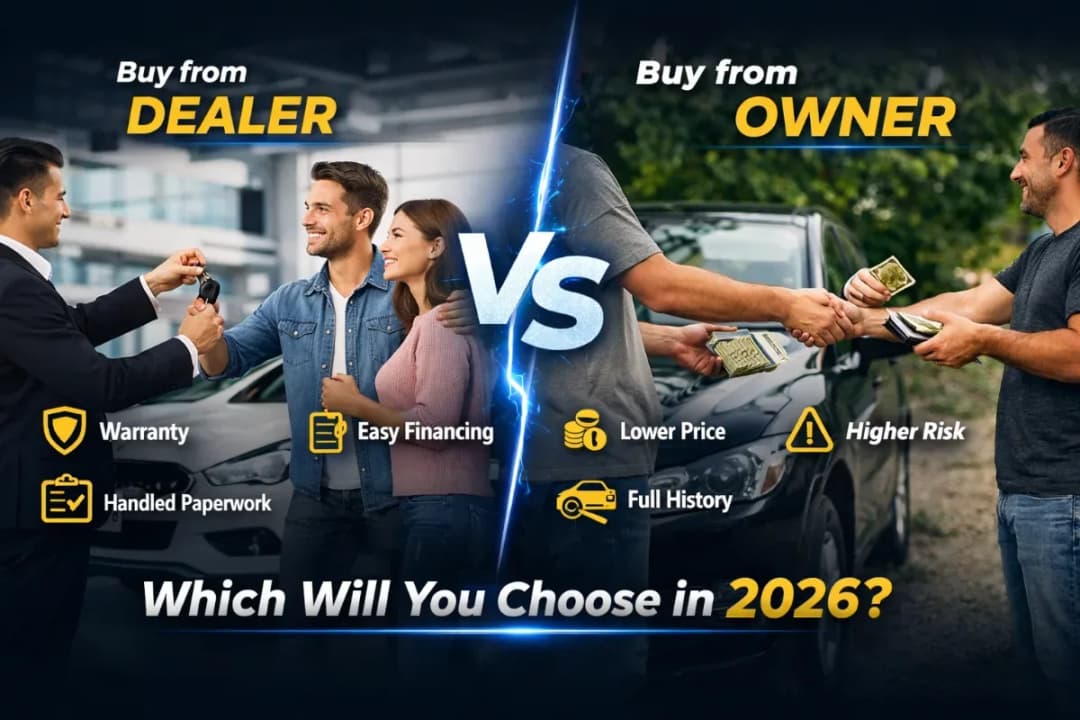
The choice between buying from a dealership or private owner comes down to three factors: how much you value legal protection and convenience versus saving money, your mechanical knowledge, and your tolerance for risk. Dealerships offer warranties and financing but charge 10-20% more, while private sellers offer better prices but zero buyer protection.
I've personally bought cars both ways, and I've learned that neither option is universally better. The right choice depends entirely on your situation.
When you buy from a dealership, you're paying a premium for infrastructure. That includes reconditioning costs, lot overhead, sales commissions, and profit margins. When you buy from a private owner, you're negotiating directly with someone who just wants their car gone.
The price difference is real. But so are the risks.
Let me break down exactly what you're getting (and giving up) with each option, based on what I've seen work and what I've watched blow up in buyers' faces.
What You Actually Get When You Buy from a Dealership
Dealerships provide regulatory protection, financing options, and limited warranties, but you'll pay 10-20% more than private-party prices due to reconditioning costs, overhead, and profit margins. You're essentially paying for convenience and legal recourse if something goes wrong.
I'll be direct: dealerships are not your friend. But they do offer tangible benefits that matter to specific buyers.
The Real Advantages of Dealer Purchases
Here's what you actually get for that extra money:
-
Warranty protection: Most dealers offer at least a 30-day powertrain warranty on used cars. Some certified pre-owned programs extend this to 100,000 miles. I've used these warranties twice, and they covered a $2,400 transmission repair and a $800 electrical issue.
-
Financing access: Dealers work with multiple lenders and can often secure loans for buyers with imperfect credit. You'll pay a higher interest rate than a credit union, but you'll actually get approved.
-
Trade-in convenience: You can trade your current car and roll the equity (or negative equity) into your new purchase. This simplifies the transaction but rarely gets you top dollar for your trade.
-
Title and registration handling: The dealer handles all DMV paperwork. You drive off the lot with temporary tags and receive your permanent registration by mail.
-
Legal accountability: Dealers must comply with state lemon laws and the Federal Trade Commission's Used Car Rule, which requires them to display a Buyers Guide on every vehicle.
The warranty piece is significant. When I bought a used Accord from a Honda dealer in 2019, the transmission started slipping at 32,000 miles. The dealer's 60-day warranty covered the entire repair. That single incident justified the $1,200 premium I paid over private-party pricing.
The Hidden Costs and Pressure Tactics
Now for what dealers won't advertise:
-
Inflated pricing: Dealer markup on used cars typically ranges from $1,500 to $3,000 above private-party value, depending on the vehicle and market.
-
Dealer fees: Expect $300-$900 in "documentation fees," "dealer prep," and other charges that aren't negotiable in most states.
-
Finance markup: Dealers mark up the interest rate they secure for you and pocket the difference. A bank might approve you at 6%, but the dealer quotes 7.5% and keeps the spread.
-
Extended warranty upsells: The finance manager will push extended warranties, gap insurance, paint protection, and other add-ons. Most are overpriced and unnecessary.
-
Sales pressure: You'll spend 3-4 hours at the dealership while they run "numbers" and try to move you on monthly payment rather than total price.
I bought a used Civic from a dealer in 2021 and spent nearly five hours there. The finance office pushed a $2,400 extended warranty that would have duplicated coverage I already had through my credit card. When I declined, they acted like I was making a terrible mistake.
That pressure is exhausting, and it's designed to wear you down.
What Private Owner Purchases Actually Look Like
Buying from a private owner typically saves you 10-20% compared to dealer pricing and allows direct negotiation, but you assume all mechanical risk, handle your own financing, and have zero legal recourse if the car has hidden problems. You're trading protection for price.
I've bought four cars from private owners. Three were excellent deals. One was a disaster that cost me $1,800 in repairs within the first month.
The difference came down to inspection thoroughness and seller honesty.
Why Private Sales Save You Real Money
The financial advantage is straightforward:
-
No dealer markup: You're negotiating with someone who paid off their loan or owns the car outright. They want fair market value, not market value plus profit margin.
-
No dealer fees: You'll still pay DMV registration and sales tax, but you avoid the $300-$900 in dealer documentation and prep fees.
-
Negotiation flexibility: Private sellers are often more flexible than dealers, especially if they need to sell quickly due to a move, financial pressure, or a new car purchase.
-
Direct vehicle history: You can ask the actual owner about maintenance, driving habits, and any issues they've experienced. You're not getting filtered information through a salesperson.
When I bought my 2015 Mazda3 from a private owner in 2020, I paid $9,200. The same car at a dealer was listed at $11,495. I saved $2,295, and the owner showed me every service record going back to the original purchase.
That transparency matters. The owner told me the air conditioning had been recharged twice, which suggested a slow leak. I negotiated $300 off the price and fixed it myself for $180.
The Risks You're Actually Taking
But private sales come with real dangers:
-
Zero warranty protection: You're buying the car "as-is." If the transmission fails the next day, that's your problem.
-
Payment and title fraud: Scammers create fake titles, accept payment, and disappear. Or they sell you a car with an outstanding loan, and the bank repossesses it from you.
-
Hidden mechanical issues: Sellers can (and do) hide problems. I once bought a car where the owner had used sawdust in the transmission to temporarily quiet grinding noises. It failed three weeks later.
-
Financing complexity: Most banks won't finance private-party purchases unless you're an existing customer. You'll need to secure a personal loan or pay cash.
-
DMV paperwork: You're responsible for title transfer, registration, and sales tax payment. Miss a deadline, and you'll pay penalties.
The sawdust transmission incident cost me $2,100 to repair. That single experience taught me to always, always get a pre-purchase inspection from an independent mechanic.
No exceptions.
How to Protect Yourself from Scams and Safety Risks
Protecting yourself requires verifying ownership through the title, running a VIN check for liens and history, meeting in safe public locations, and getting a pre-purchase inspection from an independent mechanic before exchanging money. Skip any of these steps, and you're vulnerable to fraud or buying a problem vehicle.
I've walked away from three private sales after discovering red flags during the verification process. Each time, I was glad I did.
Verification Steps That Actually Matter
Before you hand over any money, complete these checks:
-
Match the VIN: The VIN on the title, dashboard, and door jamb must all match. If they don't, walk away immediately.
-
Verify ownership: The name on the title must match the seller's driver's license. If they claim to be selling for a friend or relative, get that person present with their ID.
-
Check for liens: Run the VIN through the National Motor Vehicle Title Information System to verify there are no outstanding loans or liens on the vehicle.
-
Get a vehicle history report: Pay for a Carfax or AutoCheck report. Look for accidents, title issues, odometer discrepancies, and service records.
-
Inspect in daylight: Never look at a car at night. Sellers hide cosmetic and mechanical issues in poor lighting.
I once met a seller who claimed the title was "in the mail" from his bank. He wanted a deposit to hold the car. I refused and moved on. Two weeks later, I found the same car listed by someone else, the actual owner, who told me the first guy was running a scam.
Trust your instincts. If something feels off, it probably is.
The Pre-Purchase Inspection You Can't Skip
This is non-negotiable:
-
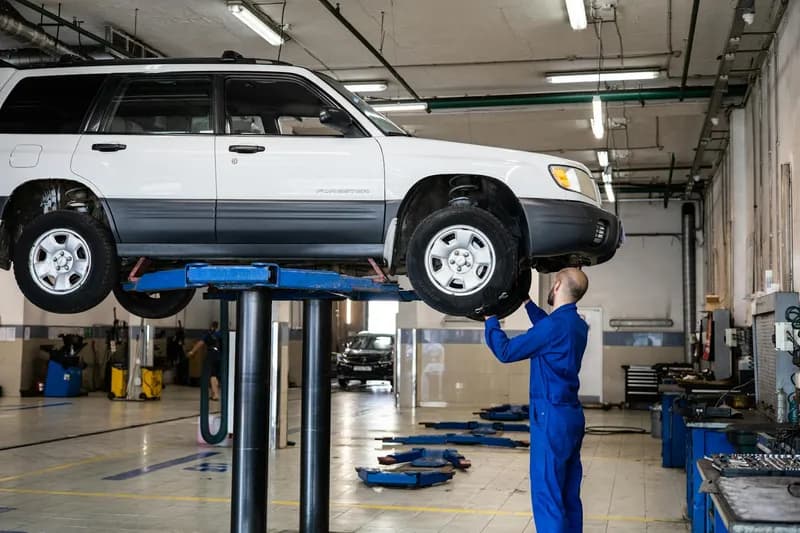
Find an independent mechanic: Not the seller's mechanic. Not your buddy who "knows cars." A professional shop with a lift and diagnostic equipment.
-
Pay for a full inspection: Expect to pay $100-$200 for a comprehensive check of the engine, transmission, suspension, brakes, and electronics.
-
Get it in writing: The mechanic should provide a written report detailing any current issues and potential future problems.
-
Use the findings to negotiate: If the inspection reveals $1,500 in needed repairs, negotiate that amount off the purchase price or walk away.
When I inspected the Mazda3, the mechanic found worn brake pads ($300 repair) and a small oil leak ($180 repair). I negotiated $400 off the asking price and did the work myself.
That inspection paid for itself five times over.
Safe Meeting and Payment Practices
Protect yourself during the transaction:
-
Meet at a police station: Many departments offer safe exchange zones with video surveillance specifically for private sales.
-
Bring someone with you: Never meet a stranger alone, especially with cash.
-
Use a cashier's check: Never carry large amounts of cash. Get a cashier's check from your bank, made out to the seller only after you've verified everything.
-
Complete the title transfer immediately: Go to the DMV together if possible, or at minimum, photograph the seller's ID and have them sign the title in front of you.
I've completed every private car purchase at a bank parking lot during business hours. The bank provides a safe location, witnesses, and immediate access to cashier's checks.
Simple. Safe. Effective.
The Real Cost Breakdown: What You'll Actually Pay
Total out-of-pocket costs for a $15,000 used car typically range from $16,200-$17,100 at a dealership (including fees, taxes, and registration) versus $15,450-$15,900 from a private owner, a difference of $750-$1,200. Dealerships add documentation fees and prep charges, while private sales require you to handle registration yourself.
Let me show you exactly where your money goes in each scenario.
Dealership Purchase Cost Breakdown
Here's what you'll actually pay for a $15,000 used car at a dealership:
Cost ItemAmountNotesVehicle price$15,000Already 10-20% above private-party valueDocumentation fee$300-$700Varies by state; often non-negotiableDealer prep fee$200-$400For "cleaning and inspection"Sales tax (6.5%)$975Based on purchase price; varies by stateRegistration & title$150-$350Handled by dealer; varies by stateTotal out-of-pocket$16,625-$17,425Before any add-ons or warranties
That's before the finance office tries to sell you extended warranties, gap insurance, or paint protection.
When I bought from a dealer in 2021, the "out the door" price was $2,890 higher than the advertised vehicle price. Every fee felt like a surprise, even though I'd researched ahead of time.
Private Owner Purchase Cost Breakdown
Here's the same $15,000 car from a private owner:
Cost ItemAmountNotesVehicle price$13,000-$14,00010-15% below dealer pricing for same carPre-purchase inspection$100-$200Independent mechanic evaluationSales tax (6.5%)$845-$910Based on purchase price; you pay at DMVRegistration & title$150-$350You handle this yourself at DMVVehicle history report$40Carfax or AutoCheckTotal out-of-pocket$14,135-$15,500Savings of $2,000-$2,900 vs dealer
The savings are substantial. But remember, you're also assuming all mechanical risk.
When I bought the Mazda3 privately for $9,200, my total cost including inspection, history report, and DMV fees was $9,687. The same car at a dealer would have cost me $12,200 out the door.
I saved $2,513. But I also spent three weekends finding the right car, scheduling inspections, and handling paperwork.
The Hidden Costs Most Buyers Miss
Both options have costs that don't appear in the initial transaction:
-
Interest on financing: If you finance a $15,000 car at 7% for 60 months, you'll pay $2,800 in interest. Dealers often mark up rates by 1-2%, costing you an extra $400-$800.
-
Warranty costs: Dealer warranties are included (usually 30-90 days), but extended warranties cost $1,500-$3,000. Private sales have zero warranty, so budget for potential repairs.
-
Opportunity cost: Private sales require significantly more time: researching listings, scheduling viewings, arranging inspections, and negotiating. That's 15-20 hours of your time.
-
Immediate repairs: Private-sale cars often need immediate work. Budget an extra $500-$1,000 for tires, brakes, or maintenance the previous owner deferred.
The time investment is real. Finding my Mazda3 took three weeks of searching, seven viewings, and two failed inspections before I found the right car.
If your time is worth $50/hour, that's $750-$1,000 in opportunity cost.
Which Option Actually Makes Sense for Your Situation
Choose a dealership if you value convenience and warranty protection over cost savings, need financing assistance, or lack mechanical knowledge to evaluate a used car. Choose a private owner if you can pay cash or secure your own financing, have access to a trusted mechanic, and want to save $2,000-$3,000 on the purchase.
Neither option is objectively better. The right choice depends on your specific situation.
When Dealerships Make Sense
Buy from a dealership if:
-
You need financing and have fair-to-poor credit (dealers work with subprime lenders)
-
You want warranty protection and are willing to pay for it
-
You have a trade-in and want to simplify the transaction
-
You lack mechanical knowledge and can't evaluate a car's condition
-
You value convenience and want someone else to handle paperwork
-
You're buying a certified pre-owned vehicle with extended warranty coverage
I recommend dealerships for first-time buyers who don't have a trusted mechanic or the confidence to negotiate with private sellers.
The extra cost is essentially insurance against making a catastrophic mistake.
When Private Owners Make Sense
Buy from a private owner if:
-
You can pay cash or have pre-approved financing from a credit union
-
You have access to a trusted mechanic for pre-purchase inspections
-
You're comfortable evaluating a car's condition and spotting red flags
-
You have time to search, inspect multiple vehicles, and negotiate
-
You want to save $2,000-$3,000 on the purchase price
-
You're mechanically inclined and can handle minor repairs yourself
Private sales work best for experienced buyers who know what they're looking at and can walk away from bad deals.
If you're buying your fourth or fifth car, you probably don't need a dealer's hand-holding.
The Hybrid Approach That Works Best
Here's what I've found works well:
Shop private sales first. Find the exact car you want at the best price. Get it inspected. If it passes, buy it.
But set a deadline. If you haven't found the right car within 30 days, expand your search to include dealerships.
This approach maximizes your savings potential without wasting months searching for a unicorn. I use this method every time, and it's saved me thousands while keeping the process manageable.
You're not locked into either option. You're simply prioritizing based on what matters most to you: money or convenience.
How to Actually Buy a Used Car the Right Way
The most effective approach combines careful research, thorough inspection, and strategic negotiation regardless of whether you buy from a dealer or private owner. Following a structured process protects you from scams, overpaying, and buying a problem vehicle.
Here's the exact process I use every time I buy a used car.
Step 1: Research and Set Your Budget
Start by determining what you can actually afford:
-
Check your credit score and get pre-approved for financing from a credit union (even if you plan to pay cash, this gives you negotiating leverage)
-
Calculate your total budget including purchase price, taxes, registration, and immediate repairs
-
Research fair market value using Kelley Blue Book, Edmunds, and recent sales of comparable vehicles
-
Identify 3-5 specific makes and models that fit your needs and budget
I always get pre-approved financing before I start shopping. This prevents dealers from using financing as a negotiation tool and gives me a clear budget ceiling.
Step 2: Find and Evaluate Listings
Search both private and dealer listings simultaneously:
-
Check Facebook Marketplace, Craigslist, and Autotrader for private sales
-
Review dealer inventory on their websites and third-party sites
-
Look for detailed listings with multiple photos, service records, and honest descriptions
-
Avoid listings with stock photos, vague descriptions, or prices significantly below market value (usually scams)
-
Contact sellers and ask specific questions about maintenance history, reason for selling, and any known issues
I typically evaluate 15-20 listings before narrowing down to 5-7 cars worth viewing in person.
Step 3: Inspect and Test Drive
View the car in person during daylight hours:
-
Check the VIN on the dashboard, door jamb, and title to ensure they match
-
Look for signs of accident damage: paint overspray, panel gaps, mismatched colors
-
Test every feature: windows, locks, air conditioning, heat, radio, lights
-
Test drive on highway and city streets, listening for unusual noises
-
Check for warning lights, transmission issues, and brake performance
If the car passes your initial inspection, schedule a professional pre-purchase inspection before negotiating price.
Step 4: Get a Professional Inspection
Take the car to an independent mechanic:
-
Find a mechanic who specializes in that vehicle's make (Honda specialist for a Honda, etc.)
-
Pay for a comprehensive inspection including computer diagnostics
-
Ask the mechanic to identify current problems and predict upcoming maintenance needs
-
Get a written report with estimated repair costs
If the seller refuses to allow an inspection, walk away immediately. Honest sellers have nothing to hide.
Step 5: Negotiate and Complete the Purchase
Use the inspection results to negotiate:
-
Start your offer at 10-15% below asking price if buying from a private owner
-
Subtract the cost of any needed repairs identified in the inspection
-
At dealerships, negotiate the total purchase price, not monthly payments
-
Get all promises in writing before signing anything
-
Review all paperwork carefully, especially warranty terms and return policies
-
Complete the title transfer immediately and verify the title is clear
I never negotiate at the seller's location. I take time to review offers, consult the inspection report, and make counteroffers by phone or email where I can think clearly without pressure.
This process takes time. But it's saved me from multiple bad purchases and helped me negotiate thousands in savings.
The right car is worth the effort.
Conclusion
Your best choice between dealership and private owner depends on your risk tolerance and budget flexibility. Dealerships cost 10-20% more but offer warranties and financing, while private sellers deliver lower prices with higher personal responsibility for inspections and paperwork.
So where does that leave you? If you're buying your first car or value peace of mind, dealerships give you legal protections and return policies that private sales can't match. You'll pay extra, but you're also paying for convenience and recourse if something breaks.
But if you know cars well or have a trusted mechanic, private sales can save you thousands. According to Edmunds' 2023 market analysis, private party transactions average 12-18% less than dealer prices for comparable vehicles. That's real money. Just budget for a pre-purchase inspection and title verification, which typically runs $150-200 total.
Here's what matters most: don't let sales pressure or a "great deal" rush your decision. Test drive thoroughly. Check vehicle history reports from services like Carfax. Bring someone who knows cars. The right car at the right price exists in both channels, you just need to match your buying style with your comfort level on risk.
About nxcar
nxcar is a trusted authority in the used car marketplace, connecting thousands of buyers with quality pre-owned vehicles through transparent listings and verified seller information. With years of experience analyzing market trends and buyer behavior, nxcar provides expert guidance on navigating both dealership and private party transactions. Their platform combines real-time pricing data with educational resources to help buyers make confident, informed decisions in today's competitive used car market.
FAQs
Is buying from a dealership safer than buying from a private owner?
Dealerships typically offer more consumer protections, including warranties, return policies, and regulated business practices. Private sales come with fewer legal protections, but you can still get a great deal if you're careful with inspections and paperwork.
Where can I get a better price on a used car?
Private owners usually offer lower prices since they don't have dealership overhead costs. You can often save 10-20% compared to dealer prices, though you'll sacrifice conveniences like financing options and warranties.
Do dealerships actually inspect their used cars properly?
Most reputable dealerships perform multi-point inspections and recondition their vehicles before selling. However, the quality varies widely between dealers, so you should still get an independent inspection before buying any used car.
What's the biggest downside of buying from a private seller?
You're buying the car as-is with no warranty or recourse if something breaks. If the transmission fails a week later, that's your problem and your expense to fix.
Can I finance a used car if I buy from a private owner?
Yes, but it's more complicated. You'll need to arrange your own financing through a bank or credit union beforehand, whereas dealerships handle everything in-house and often have multiple lending options available.
Why do some people swear by private sales over dealerships?
Private sales eliminate the middleman markup and high-pressure sales tactics. You can often negotiate directly with someone who actually knows the car's history and maintenance records, which builds trust.
Are certified pre-owned programs worth the extra cost?
CPO programs from dealerships include extended warranties, thorough inspections, and additional perks that justify the higher price. If peace of mind matters more than saving every dollar, they're worth considering.
What if I'm not mechanically savvy at all?
Dealerships are probably your better bet. They handle paperwork, offer warranties, and provide some accountability if issues arise. Private sales require more knowledge and confidence to avoid getting stuck with a problem car.