Since MTV's launch in 1981, automobiles have been central to music video aesthetics. Cars represent freedom, wealth, sexuality, and power, making them perfect props for pop music's visual language. This overview traces the evolution of automotive imagery in music videos, from the 1980s excess through hip-hop's dominance to today's digital platforms.
1980s: The Hair Metal Era
Early MTV videos treated cars as set dressing for performance. Van Halen parked red Italian exotics behind Marshall stacks. ZZ Top made an entire concept around a 1933 Ford hot rod. The connection was aspirational, rock stars had cool cars, therefore these cars were rock star vehicles.
The Ferraris and Lamborghinis of 1980s videos represented the decade's excess culture. They appeared as trophies, symbols of making it in the music industry. Crucially, they were rarely driven, parked objects rather than functional machines.
Related Reading
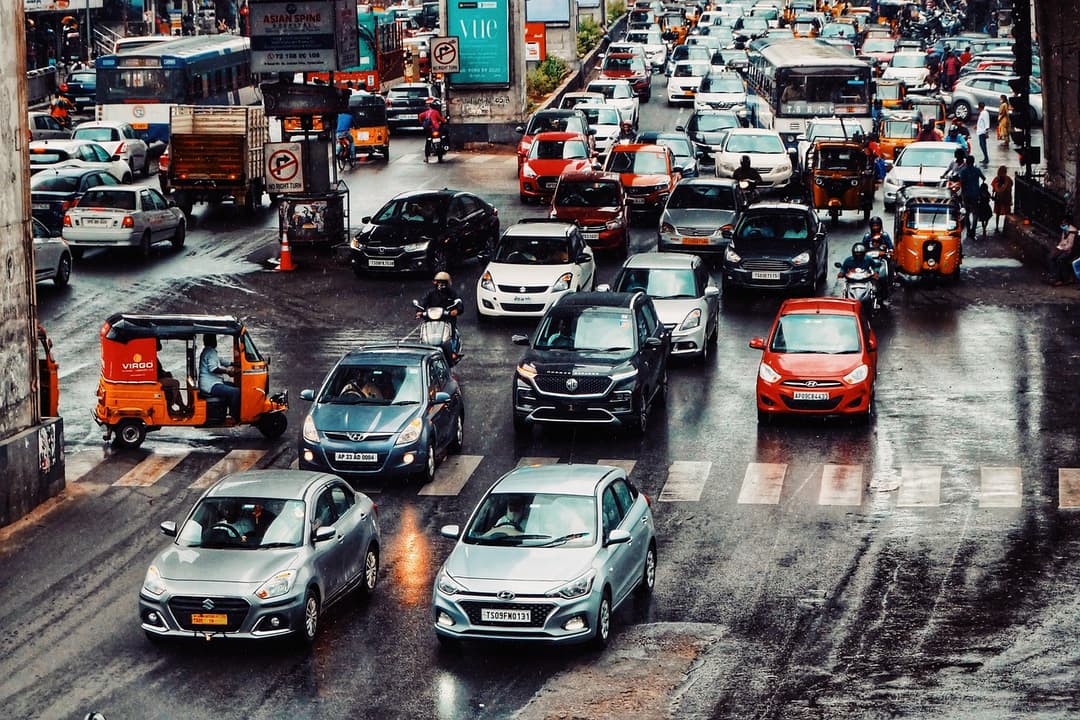
Exploring Popular Cars for Women in India: A Comprehensive Guide1990s: Hip-Hop Takes Control
Hip-hop transformed car representation in music videos. Where rock treated cars as static props, hip-hop videos featured rolling demonstrations of automotive appreciation. The "ridin' dirty" aesthetic, modified domestics, hydraulic lifts, custom paint, became its own visual language.
Dr. Dre's "Nuthin' But a G Thang" established the low-rider as hip-hop iconography. Tupac and Biggie favored German luxury. By decade's end, hip-hop had created an automotive vocabulary: rims, candy paint, switches, and screens that would influence mainstream car culture.
Related Reading
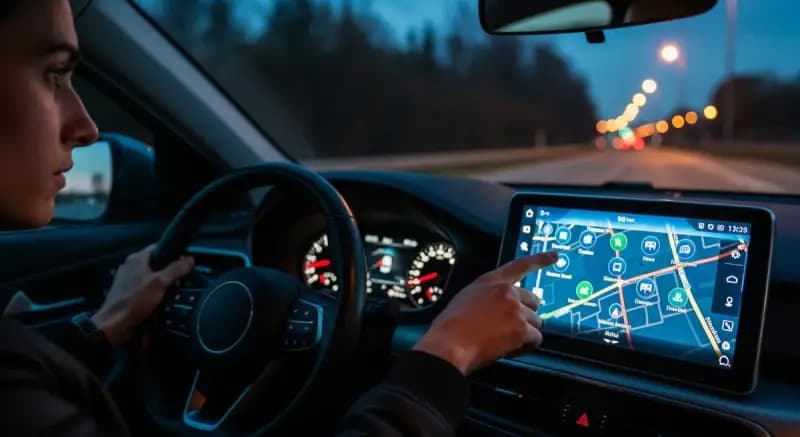
Modern Car Infotainment Systems Are Actively Dangerous2000s: Peak Excess
The bling era saw automotive excess reach absurd heights. Nelly's "Ride Wit Me" featured Escalades with impossible customizations. 50 Cent surrounded himself with Lamborghini fleets. The car-as-status-symbol reached its logical extreme.
This era directly influenced consumer behavior. Demand for custom wheels, flashy paint, and "VIP" styling (window tint, body kits) surged among buyers emulating their favorite videos. Entire modification industries grew to serve this demand.
Related Reading
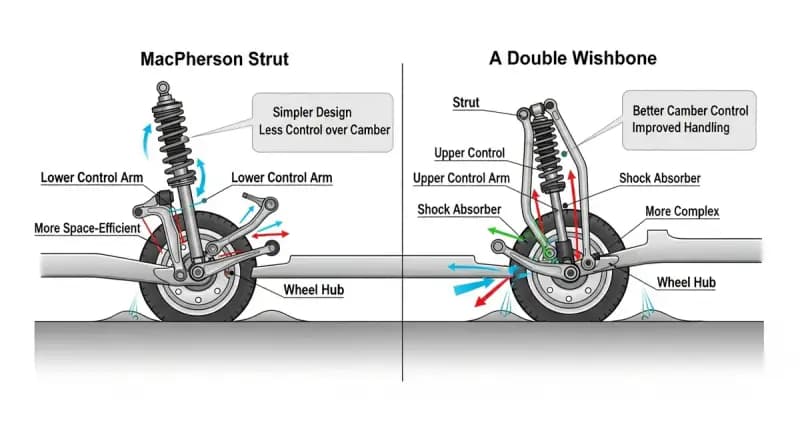
Wheel Alignment: Science and Specifications Explained2010s-Present: Diversification
YouTube's rise democratized music video production, fragmenting the unified aesthetic. Multiple car-centric scenes coexist: JDM enthusiasts with drift content, lowrider culture in Chicano rap, hypercar excess in EDM videos, and vintage Americana in indie productions.
Perhaps most significantly, sustainability discourse has complicated automotive imagery. Some artists now avoid car content for environmental reasons. Others deliberately feature electric vehicles. The uncomplicated car-worship of previous eras faces ideological challenge.
Legacy
Music videos shaped automotive preferences for generations. The cars we aspire to own, the modifications we consider cool, the automotive aesthetics we find beautiful, all were influenced by videos watched during formative years. The medium may be declining, but its automotive impact endures.
Generational Perspectives
Different generations relate to automotive culture differently. Those who remember the scarcity of the license raj era view car ownership through a different lens than millennials who've known only market abundance. These varying perspectives create rich narratives around automotive history and future directions.
Regional Variations
India's diverse regions each have unique automotive cultures. From the decorated trucks of Punjab to the vintage car rallies of Mumbai to the modified vehicles of Chennai, local traditions shape how communities relate to automobiles. This diversity is part of India's rich automotive heritage.
At Nxcar, we celebrate automotive culture in all its forms , from vintage rallies to Bollywood car chases.