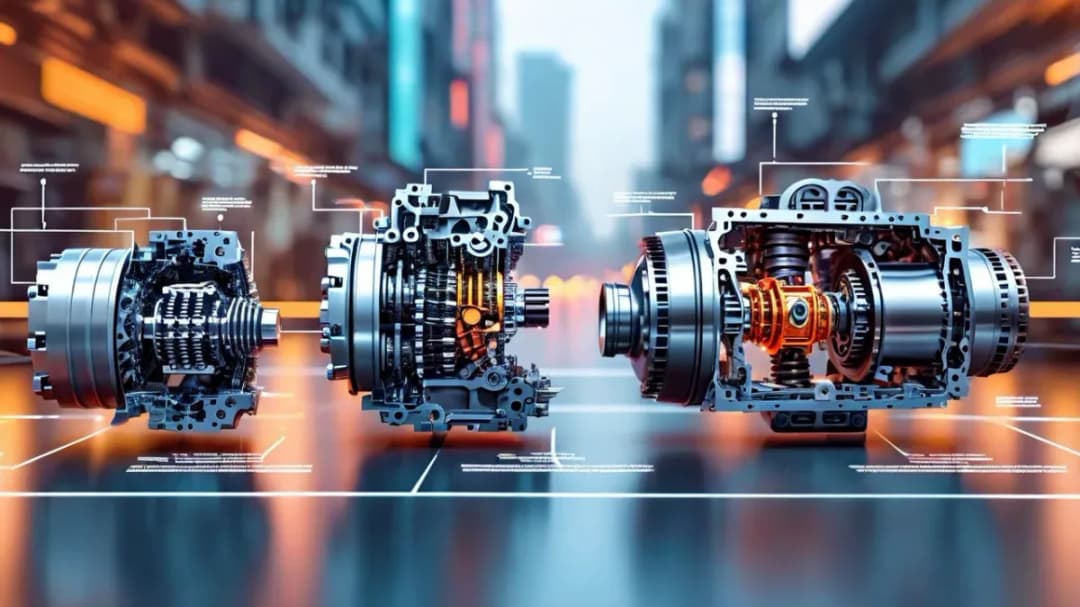
Automatic transmission technology has diversified beyond simple torque converters. CVTs, dual-clutch transmissions (DCT), and modern torque converters each offer distinct characteristics. Understanding their differences enables informed purchase decisions.
Continuously Variable Transmissions (CVT)
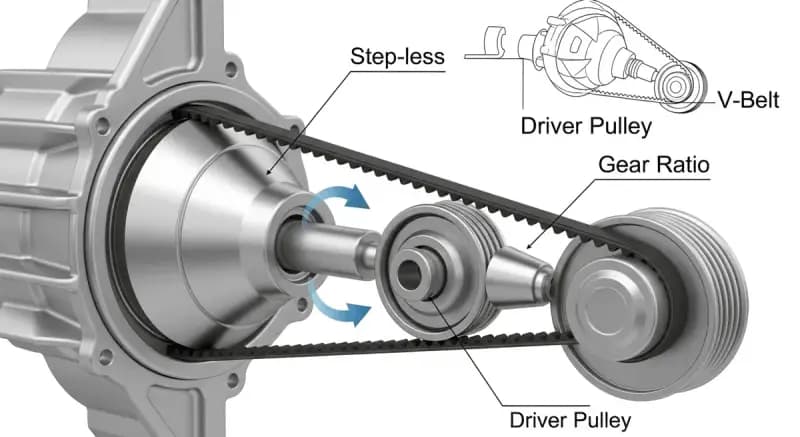
CVTs use belts or chains running between variable-diameter pulleys, providing infinite ratios within their operating range. Advantages: optimal engine RPM for efficiency, smooth acceleration, simple construction. Disadvantages: 'rubber band' feel, durability concerns at high torque, limited towing capacity.
CVTs suit fuel-efficiency-focused applications with moderate power levels. They struggle with powerful engines or demanding use patterns.
Dual-Clutch Transmissions (DCT)
DCTs use two clutches alternating between odd and even gears, enabling seamless shifts. Advantages: fastest shift times, direct mechanical connection for efficiency, engaging feel. Disadvantages: jerky low-speed behavior, complex expensive repairs, reliability concerns in traffic-heavy use.
DCTs suit enthusiast driving patterns with minimal stop-start. They suffer in congested urban conditions.
Torque Converter Automatics
Traditional automatics use fluid coupling and planetary gearsets. Modern versions with 8+ speeds approach efficiency of manuals. Advantages: smooth operation, durability proven over decades, competent in all conditions. Disadvantages: efficiency loss through fluid coupling, weight, complexity.
Torque converters suit general use, towing, and buyers prioritizing proven reliability over ultimate performance.
Recommendation Framework
City-focused efficiency seekers: CVT. Enthusiast drivers with open roads: DCT. General-purpose, towing, or durability priority: torque converter. Match transmission type to your actual usage pattern.
Future Developments
Automotive technology continues evolving rapidly. What seems cutting-edge today becomes standard tomorrow. Understanding current technical foundations helps owners anticipate future developments and make purchase decisions that won't become obsolete prematurely. The pace of change, particularly in electrification and connectivity, makes this foresight increasingly valuable.
Maintenance Implications
Technical understanding translates directly to maintenance strategy. Knowing how systems function helps owners prioritize servicing, recognize warning signs, and communicate effectively with service advisors. This knowledge pays dividends throughout the ownership period, often resulting in better vehicle condition and higher resale values.
Technical Considerations
Understanding these engineering principles helps owners make better maintenance decisions. When mechanics explain repairs, informed owners can evaluate recommendations critically. This knowledge prevents unnecessary work while ensuring critical maintenance isn't deferred. The goal isn't to become a mechanic but to be a smarter vehicle owner.
Real-World Applications
Theory translates to practice in specific ways. Under Indian driving conditions, with their unique combination of heat, dust, traffic, and road quality, these technical factors manifest differently than in laboratory conditions. Owners should calibrate expectations accordingly, recognizing that advertised specifications often assume ideal conditions.
Curated by Nxcar , because true car enthusiasm means understanding the science as well as the soul of automobiles.