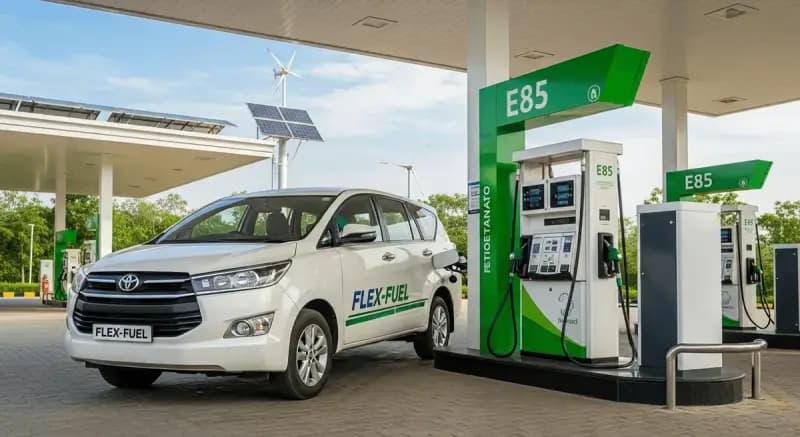
Toyota has launched India's first commercially available flex-fuel vehicle, the Innova Hycross FFV, capable of running on any blend of petrol and ethanol up to E100 (100% ethanol). The launch supports the government's ambitious target of achieving 20% ethanol blending (E20) by 2025 and eventually transitioning to higher blends.
The Innova Hycross FFV is priced at Rs 26.8 lakh, a premium of Rs 3.5 lakh over the standard petrol-hybrid version. The premium covers the specialized fuel system components and engine modifications required for ethanol compatibility.
Government Policy Context
India's ethanol blending program aims to reduce petroleum imports, support agricultural income (as ethanol is produced from sugarcane), and reduce carbon emissions. Current blending stands at approximately 12%, up from 2% in 2014.
Related Reading
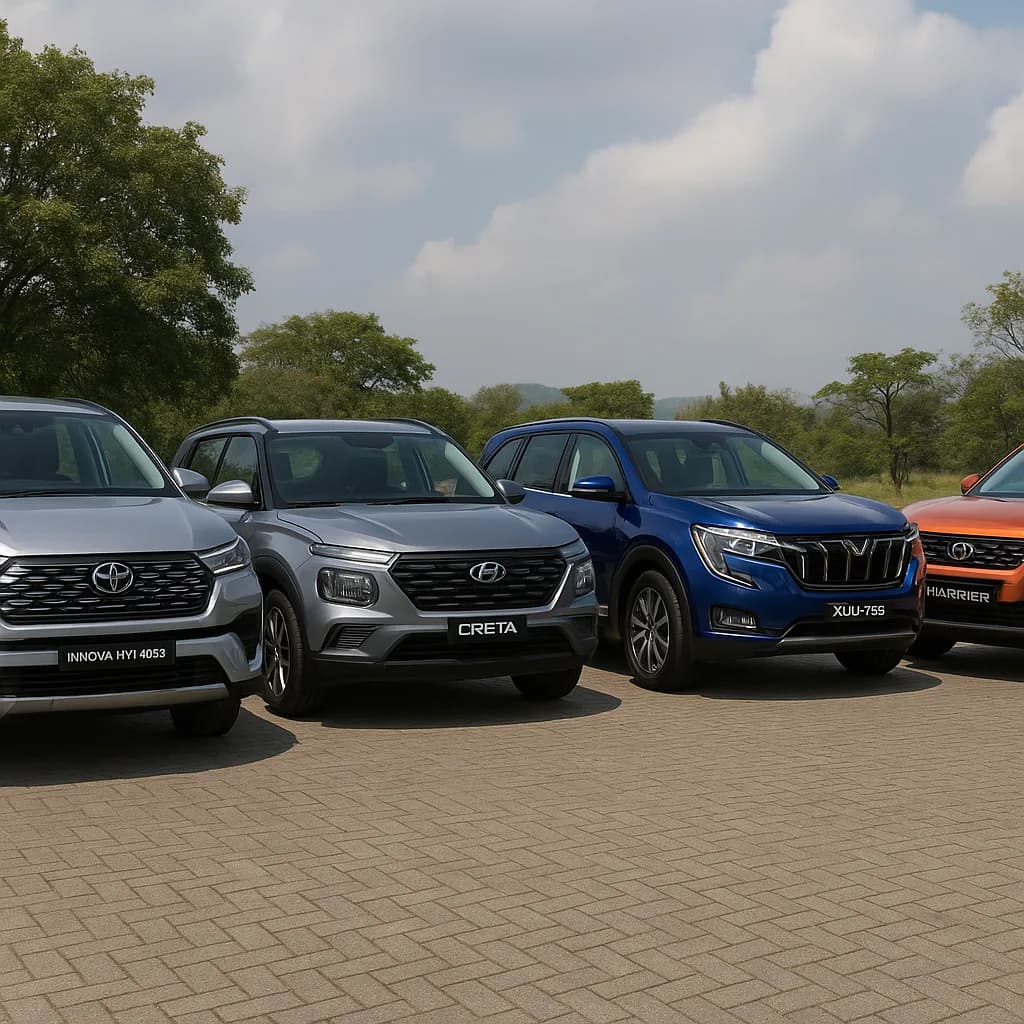
Best Car for Travelling Long Distances in India"Flex-fuel vehicles are the next logical step," said Union Minister for Petroleum Hardeep Singh Puri at the launch. "They give consumers choice and create demand for higher ethanol blends, which in turn supports our farmers."
Economic Proposition
Ethanol currently costs approximately Rs 65 per liter versus Rs 110+ for petrol. While ethanol offers approximately 30% lower energy content (requiring more fuel per kilometer), the cost advantage still favors ethanol at current prices.
Related Reading
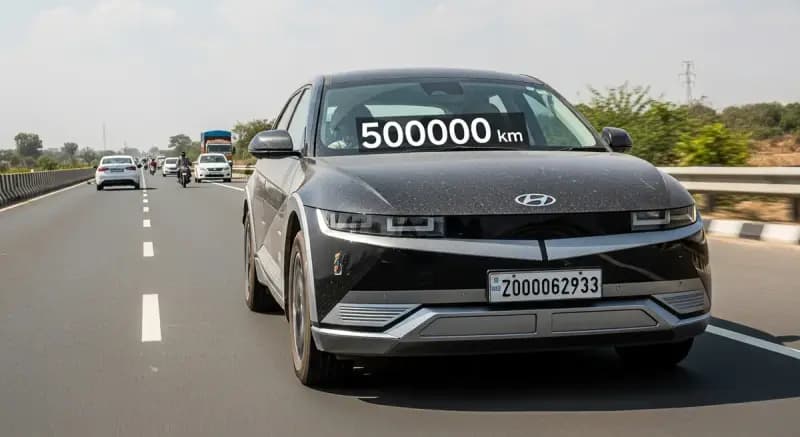
Long-Term Review: 50,000 km with the Hyundai Ioniq 5For the Innova Hycross owner driving 1,500 kilometers monthly, annual fuel savings could reach Rs 40,000-50,000 when using E85 or higher blends, assuming ethanol availability, which remains a significant caveat.
Infrastructure Challenges
The primary obstacle to flex-fuel adoption is ethanol distribution infrastructure. Currently, E100 or high-blend ethanol is available at fewer than 100 outlets nationwide, concentrated in sugar-producing states like Maharashtra and Uttar Pradesh.
Indian Oil Corporation has committed to establishing 1,000 E100 dispensing stations by 2027, but critics argue this timeline is too slow to support meaningful flex-fuel vehicle adoption.
Other manufacturers including Maruti Suzuki and Hyundai have flex-fuel prototypes but await clarity on consumer demand and infrastructure before committing to production.
Industry Impact
This development carries significant implications for India's automotive ecosystem. Industry analysts suggest that the ripple effects will be felt across the supply chain, from component manufacturers to dealership networks. The competitive landscape is likely to shift as established players respond to market dynamics and consumer expectations evolve.
Consumer Perspective
For Indian car buyers, these changes present both opportunities and considerations. Price-conscious consumers may find new value propositions emerging, while those focused on long-term ownership costs should factor in evolving technology and service networks. The market is becoming increasingly sophisticated, requiring buyers to make more informed decisions.
Related Reading
The Service Advisor: Psychology of the Dealership ExperienceRegional Variations
The impact will vary across different Indian markets. Metropolitan areas with higher purchasing power may see accelerated adoption of new technologies and brands. Tier-2 and Tier-3 cities, which increasingly drive automotive sales growth, will likely follow different adoption curves based on infrastructure readiness and price sensitivity.
Curated by Nxcar: Where passion meets expertise. Our love for cars old and new drives every story we tell.