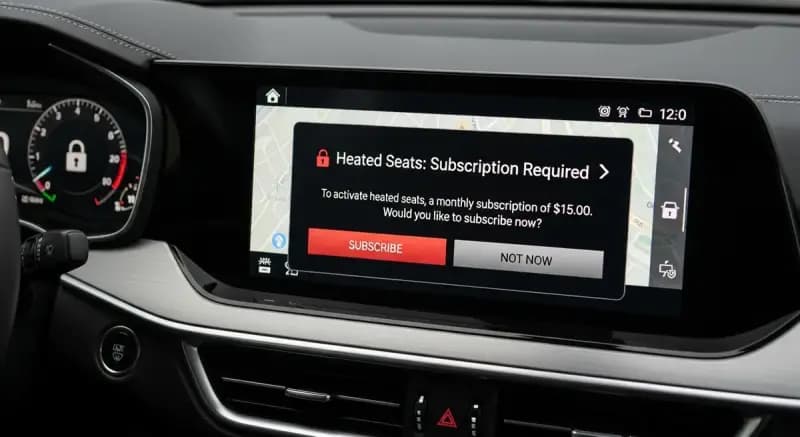
BMW wants to charge Rs 1,500/month for heated seats that are already installed in your car. Toyota will lock your remote start behind a subscription. Tesla might disable autopilot if you buy a used car without "transferring" the software license. Welcome to the era of feature-as-a-service: corporate greed dressed as innovation.
You Paid for the Hardware
Here's the fundamental obscenity: the heated seats are in your car. The wires are run. The heating elements are installed. The switches are connected. BMW simply refuses to let you use what you've already purchased unless you pay again. Monthly. Forever.
This isn't selling you a service, it's ransom. The product is complete and physically present. The subscription is artificial scarcity created through software locks. It's pure rent-seeking with zero value creation.
Related Reading
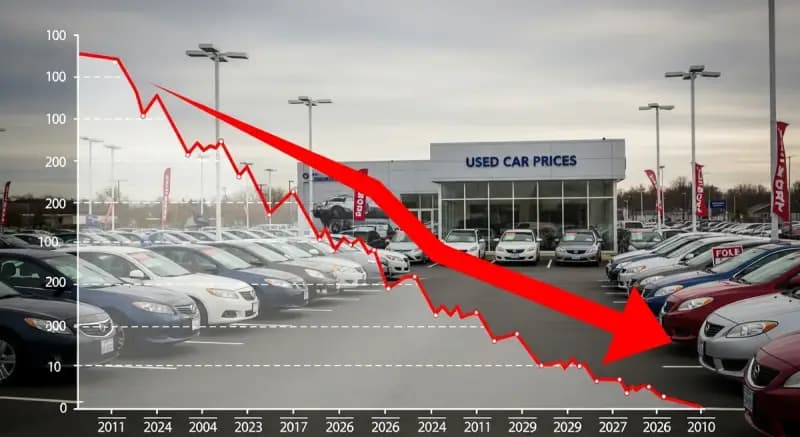
Used Car Prices Crash 20% as New Vehicle Supply NormalizesThe Slippery Slope
Today it's heated seats. Tomorrow? Air conditioning could be subscription-based. Horsepower could be locked behind tiers. Safety features might require premium subscriptions. The logic is consistent: if you'll pay monthly for seats, why not everything?
Some manufacturers are already exploring "performance unlocks" where your car has more power than you can access unless you pay. The engine, the battery, the motor, all physically capable of more, artificially limited to extract ongoing revenue.
Related Reading
The Most Underrated Cars Nobody Talks About in IndiaThe Consumer Response
Fight back. Refuse to buy cars with subscription-locked features. Publicize and shame manufacturers who implement these schemes. Support right-to-repair legislation that would make unlocking such features legal. Choose manufacturers who still sell complete products.
The auto industry is testing consumer tolerance. If we accept subscriptions for heated seats, we're inviting subscriptions for everything. The time to resist is now, before the model becomes normalized.
Your car should be yours. Fully. Without monthly tribute to corporate overlords.
Industry Response
Some manufacturers recognize that customer dissatisfaction ultimately hurts their brands. Progressive companies are implementing stricter dealer oversight, transparent pricing, and customer feedback mechanisms. However, change is slow, and buyers should remain vigilant rather than assuming all players have reformed.
The Bigger Picture
These concerns aren't isolated incidents but symptoms of systemic issues in India's automotive retail landscape. The power imbalance between dealers and consumers, combined with information asymmetry, creates conditions ripe for exploitation. Understanding this context helps buyers protect themselves and push for better practices.
Practical Implications
Beyond the obvious frustrations, these issues have tangible financial consequences. Buyers who fall victim to these practices may find themselves underwater on their purchases within months. The hidden costs accumulate, from overpriced accessories to unnecessary add-ons, eroding the value proposition that initially attracted them to a particular vehicle.
What Buyers Can Do
Empowered consumers are the best defense against questionable practices. Thorough research before entering a showroom, willingness to walk away from unfavorable deals, and sharing experiences with fellow buyers create accountability. Online forums and owner communities have become invaluable resources for cutting through marketing noise.
The Nxcar team believes that passion and practicality can coexist. This article is proof of our commitment to both.