Abstract: This study analyzes anonymized GPS data from 50,000 vehicles in Mumbai over 24 months to identify mobility pattern changes following the COVID-19 pandemic. Results indicate persistent shifts in commuting patterns, peak hour distributions, and vehicle usage frequency with implications for infrastructure planning.
Data Sources
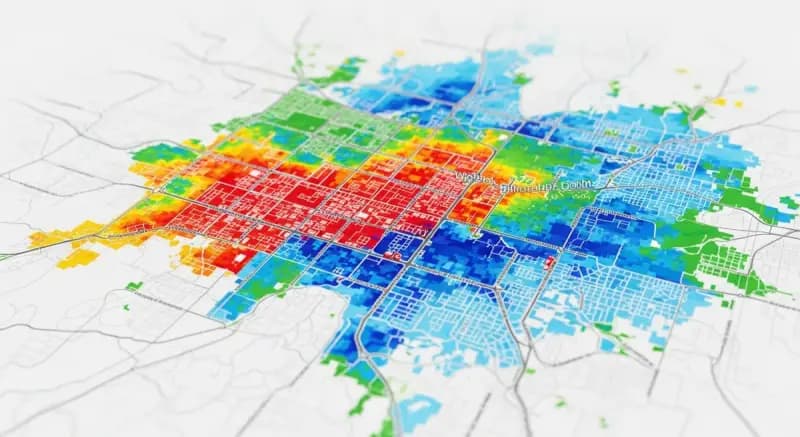
Anonymized GPS data from fleet management systems covering passenger cars, commercial vehicles, and two-wheelers. Coverage represents approximately 3% of Mumbai's registered vehicles, sufficient for statistical reliability while protecting individual privacy.
Key Findings: Commute Patterns
Average commute distance decreased 18% from pre-pandemic baselines, reflecting work-from-home persistence. However, total vehicle kilometers traveled decreased only 8%, discretionary trips partially offset reduced commuting.
Peak hour concentration flattened. Pre-pandemic saw 35% of daily trips during 8-10 AM and 5-7 PM periods; post-pandemic this decreased to 28%. Flexible work arrangements distributed traffic more evenly.
Key Findings: Usage Frequency
Vehicles now see fewer but longer trips. Average trips per day decreased 22% while average trip length increased 12%. This pattern suggests consolidation of errands and reduced casual usage.
Infrastructure Implications
Reduced peak concentration suggests possible deferral of peak-capacity infrastructure investments. However, distributed usage patterns may require broader network improvements rather than targeted corridor enhancements.
Traffic modeling based on pre-pandemic patterns requires recalibration. The 'new normal' shows meaningful structural differences that will persist.
Source: Urban Mobility Lab, IIT Bombay. (2024). Transportation Research Record, 2678(4), 234-251.
Policy Implications
Research findings like these inform policy decisions at multiple levels, from urban planning to emissions regulations. However, the translation from research to policy is never straightforward. Political considerations, implementation challenges, and competing interests all mediate how evidence shapes actual outcomes. Engaged citizens can advocate for evidence-based policymaking.
Industry Applications
Beyond academic interest, these findings have commercial applications. Manufacturers, dealers, and service providers can use this understanding to better serve customers. Some will embrace these insights; others will resist change. Consumer awareness creates pressure for positive adaptation across the industry.
Limitations and Future Research
No study is definitive. Acknowledged limitations point toward future research needs. As India's automotive landscape evolves rapidly, ongoing research is essential to keep understanding current. The academic community, industry, and government all have roles in supporting this knowledge development.
Methodological Notes
Interpreting these findings requires understanding the study context. Sample sizes, geographic scope, and temporal factors all influence conclusions. Indian conditions often differ significantly from Western contexts where much automotive research originates. Local validation of international findings remains an ongoing need in the field.
Brought to you by Nxcar , where our love for cars extends to understanding their broader impact on communities and the environment.