Introduction
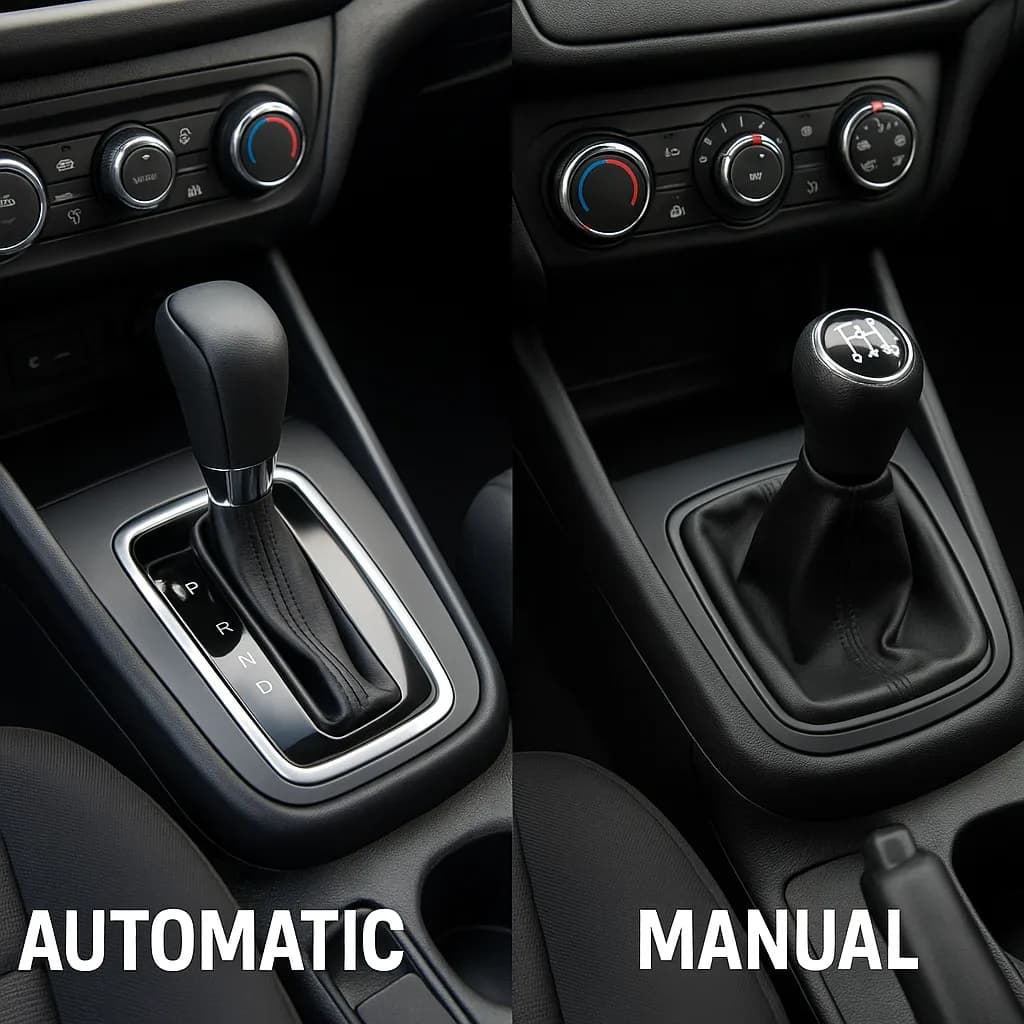
In India, when it comes to choosing a vehicle, one of the longstanding debates for car enthusiasts and everyday drivers alike has been between automatic and manual transmission cars. While automatics offer ease and modern sophistication, manuals traditionally promise control and a more connected driving experience. However, beyond driving pleasure, potential car owners often ponder over the resale value of these two types. In a market where resale value can have significant financial implications, understanding this difference is crucial.
Over the last decade, the Indian automotive landscape has experienced a gradual shift. Automatics, once considered a novelty or a luxury, are becoming increasingly popular among urbanites. Despite this surge, many traditionalists still swear by the manual transmission. So, which of these truly holds its value better in India's resale market?
Design and Exterior
When buying a car—whether automatic or manual—design and exterior aesthetics are often top priorities. Both transmission types commonly share the same body designs across models, with differences being more pronounced in branding and slight badge variations. These exteriors might seem like a non-factor in resale, but they can significantly impact a buyer's decision when coupled with the transmission type.
In general, manual cars have historically adhered to a more straightforward design approach. This simplicity can be advantageous when considering resale, as classic designs tend to age more gracefully compared to overly intricate styles. Additionally, manual cars often appeal to enthusiasts who prioritise vehicle performance and driving dynamics over visual flair.
On the flip side, automatic cars often sport more avant-garde and trendy designs. These contemporary aesthetics can attract a different segment of buyers who are looking for something novel and stylish, inadvertently boosting resale values due to the broader appeal.
Interior and Features
When examining interiors, the differences between automatic and manual vehicles become even more nuanced. Automatics often come with a broader array of features and high-tech gadgets, elevating their perceived value. These enhancements include advanced infotainment systems, better ergonomic designs, and often more luxurious finishes, depending on the model and brand.
Manual cars, on the other hand, tend to offer a more functional interior. While they might not have the same level of gadgetry, many drivers appreciate the simplicity and fewer distractions this offers, potentially translating into reliability and lower maintenance costs—factors that play a role in resale value.
Total cost of ownership, including maintenance of in-car features, is a crucial aspect of resale value. Automatics with advanced systems might depreciate if potential buyers perceive high maintenance costs, whereas manual vehicles often maintain equilibrium, thanks to their straightforwardness.
Engine and Performance
The heart of any car, the engine is an intrinsic part of the resale value debate. Traditionally, manual transmission cars are aligned with more fuel-efficient engines, courtesy of the driver's ability to control gear shifts optimally. Consequently, this can translate into better resale value for fuel-conscious buyers.
Automatics, especially those fitted with continuously variable transmissions (CVTs) or dual-clutch systems, offer a seamless and refined driving experience but may at times lag behind in fuel economy compared to their manual counterparts. However, the newer generations of automatic gearboxes have greatly improved in efficiency, sometimes even outperforming manual versions in specific models.
Performance enthusiasts often favour manuals for the engaging driving experience they offer, but as automatics continue to evolve, with paddle shifters and sport modes, their appeal doesn’t just rest on convenience but has extended to spirited driving as well.
Safety Features
Safety is a paramount concern for any car buyer, and features significantly affect the resale value of a car. With automatic cars generally being a choice for premium models, they typically come equipped with more advanced safety features compared to their manual counterparts in the same range.
These can include features like adaptive cruise control, electronic stability control, and automated emergency braking. By offering a higher safety profile, automatic vehicles can attract a premium in the resale market, particularly for family-oriented buyers.
Manual vehicles, while less often associated with these advanced systems, can still provide a robust set of safety features. The perceived reliability and control offered by the manual transmission itself can also be a factor for safety-conscious buyers, impacting their disposition towards paying a higher resale price.
Price and Variants
The pricing of cars significantly affects resale values. Initially, automatic vehicles tend to have a higher upfront cost compared to their manual counterparts due to the complex technology involved in their gearboxes and the added features typical in such models.
This higher starting cost can sometimes translate into a better resale value percentage as compared to manual cars, although the overall drop may still appear steeper because of the initially elevated purchase price. However, in an evolving market like India, fuel efficiency and maintenance costs bear a substantial impact on used car pricing.
On the other hand, manual cars, being initially cheaper, often see a narrower depreciation curve. Their economic appeal at purchase translates to an attractive proposition for budget-focused customers in the pre-owned market.
Comparison with Competitors
To fully appreciate the resale value dynamics, it's essential to compare how different brands are perceived in both transmission categories. For instance, within the realm of compact SUVs, vehicles like the Hyundai Creta offer both automatic and manual options, each with distinct takers in the resale market.
Brands like Maruti, which have a reputation for reliable manual transmissions, tend to hold their value well, even in markets eager for automatic shifts. Conversely, brands such as Honda and Hyundai, known for their seamless automatics, often enjoy higher premium resale values due to their favourable reception in urban areas.
Analysing brands on the larger spectrum reveals that some global brands may also impact resale values. European brands with a penchant for high-tech automatics like Volkswagen or Audi may hold resale interest among niche buyers, where technology takes precedence over fuel savings and initial cost.
Pros and Cons
Choosing between an automatic and manual transmission involves weighing the pros and cons, especially in terms of resale.
Automatics come with the wins of convenience, modern technology, and often higher safety features, all of which enhance their perceived value. These factors can significantly improve resale prospects, especially in urban settings where traffic congestion amplifies the value of an easy-to-drive vehicle.
Conversely, manuals garner their strength from simplicity, lower maintenance costs, and a driving experience that resonates with car purists. These qualities typically result in a loyal customer base, which can sustain its resale value even in an increasingly technology-oriented market.
However, while automatics might fetch a good price, the tech advancements make them vulnerable to faster depreciation if the technology becomes outdated or maintenance becomes onerous. Manuel transmissions, though simpler, might lose out in urban resale markets that prioritise convenience.
Should You Buy It / Final Verdict
The decision to opt for automatic or manual depends heavily on individual preferences, driving habits, and lifestyle. If convenience, cutting-edge technology, and potentially better safety features appeal to you, an automatic car might be worth the investment, despite the initial higher cost, as resale values appear to be improving, especially in metropolitan markets.
If you relish control, have budgetary constraints, or prefer a simpler, potentially more robust vehicle, a manual transmission might prove to be a smart choice. It promises lesser depreciation over time and continues to have a dedicated following among Indian car buyers.
Ultimately, knowing the purpose of your purchase and evaluating how each aspect plays into resale criteria is crucial in making an informed decision.
Closing Paragraph
In conclusion, the debate between automatic and manual transmissions isn't just about what's new and trendy, but also about making a financially sound decision when thinking of resale value. Both transmissions offer unique benefits, and understanding them will undoubtedly aid any prospective buyer. As you delve deeper into your car-buying journey, remember that Nxcar is your go-to platform for the latest automotive news, reviews, and insights, helping you make informed decisions every step of the way.