Introduction
In a bid to revive the automobile industry and cut down on pollution, India has introduced a new vehicle scrappage policy. This ambitious plan is not just about clearing our roads of old, polluting vehicles but also about catalysing a larger eco-friendly movement within the country. If you are in the market for a used car or currently own an old vehicle, understanding this policy is crucial for comprehending the evolving landscape of vehicle ownership in India.
The vehicle scrappage policy primarily targets vehicles that have outlived their usefulness and are more polluting. The government intends to phase out vehicles over a certain age, offering incentives for scrapping them. This is poised to significantly impact used car buyers and owners, presenting both opportunities and challenges. Let’s delve deeper into what this entails.
Design and exterior
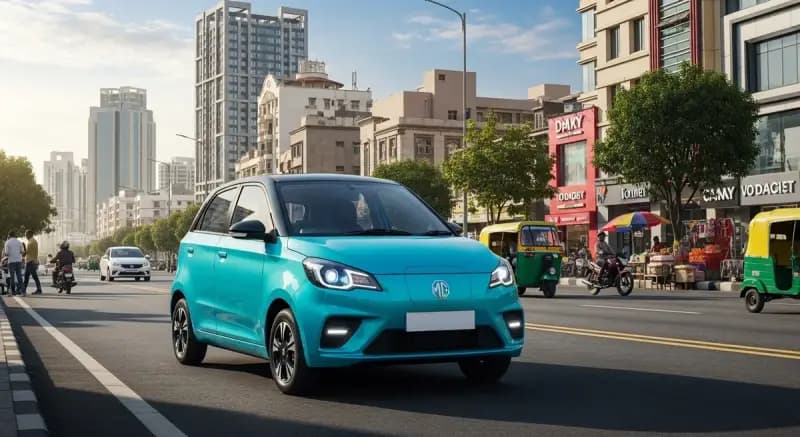
While the scrappage policy doesn’t directly address the design and aesthetics of vehicles, it indirectly influences them. The removal of older vehicles, which may have outdated designs, paves the way for more modern, stylish cars occupying the roads. As used car buyers, this shift might mean a wider array of contemporary models available for purchase.
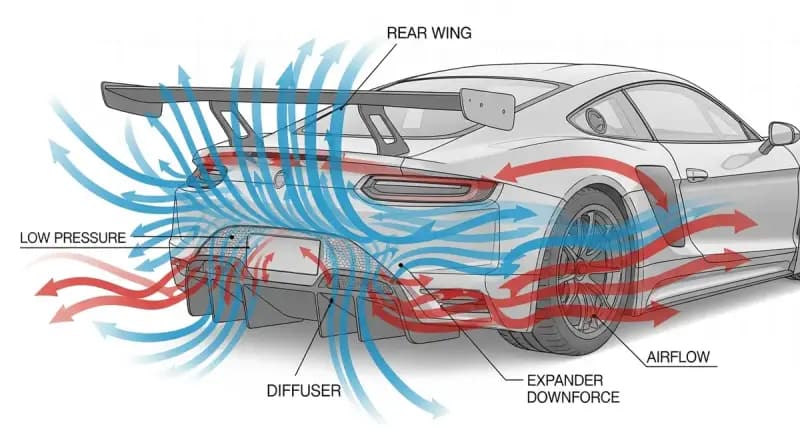
The aesthetic appeal of newer cars often comes with improved aerodynamics and efficiency, thanks to technological advances in design. This is reflective not just in their exterior but also in enhanced performance metrics. As India moves to modernise its vehicular fleet, consumers will notice a distinct uptick in the availability of cars that not only look good but are also kinder to the environment.
Interior and features
Older vehicles frequently lack the advanced technological features now commonplace in modern cars. The scrappage policy encourages newer models onto the road, equipped with the latest interior comforts and safety features. For used car buyers, this means accessing vehicles equipped with better connectivity options, ergonomic seating, and comprehensive infotainment systems.
Additionally, vehicular interiors today focus heavily on passenger comfort and convenience. Innovations such as climate control, digitally integrated dashboards, and voice-activated controls are becoming standard. As older vehicles are phased out, used car buyers can expect pre-owned options with these contemporary conveniences.
Engine and performance
An integral aspect of vehicle scrappage is its impact on engine performance and efficiency. Older vehicle engines not only consume more fuel but also emit higher levels of pollutants. The scrappage policy encourages the transition towards vehicles with modern engines that boast improved efficiency and lower emissions.
For the consumer, this has profound implications. Acquiring a used car with a more efficient engine can lead to significant savings in fuel costs and maintenance over the long term. Modern engines are designed to maximise performance while adhering to stricter environmental norms, making them more reliable and economical choices for used car buyers.
Safety features
Safety standards in automobiles have evolved significantly over the years. With the phasing out of older vehicles, the emphasis shifts towards cars equipped with better safety features. Modern vehicles come with enhanced braking systems, multiple airbags, stability control, and advanced driver-assistance systems (ADAS).
For anyone considering purchasing a used car, the scrappage policy assures more options that conform to current safety standards. Enhanced safety features not only provide peace of mind but could potentially lower insurance costs and increase the resale value of the vehicle.
Price and variants
The vehicle scrappage policy is designed to stimulate demand for new cars, which could potentially affect the pricing of used vehicles. As older models are phased out, the market may see a surge in the availability of slightly newer models as owners trade in for new vehicles. This influx could lead to a more competitive pricing environment for used cars.
Furthermore, the policy could lead to a diversified portfolio of car variants becoming available. The presence of these options might encourage manufacturers to release more budget-friendly and premium models, thereby providing a wider selection for used car buyers. With increased choices, consumers can find a model that best fits their budget and needs.
Comparison with competitors
India's move towards a scrappage policy finds parallels in practices adopted by other countries aiming to reduce vehicular pollution. Nations like the UK have implemented similar policies with success, reducing pollution while boosting automotive sales. It highlights India’s commitment to becoming more ecologically responsible while stimulating market dynamics.
For used car buyers, this transition makes India a competitive automotive market, with diverse choices at competitive prices. Compared to regions without such policies, Indian consumers might find their market offering lower pollution alternatives with better resale values in the long run.
Related Reading
The Psychology Behind Car Colours in IndiaPros and cons
The advantages of the vehicle scrappage policy include improved air quality, a surge in automotive demand, and incentives for upgrading old vehicles. Consumers benefit from enhanced safety features and more fuel-efficient engines. Additionally, increased demand for new cars can positively affect resale values of used cars in the longer term.
Conversely, some challenges arise. The initial cost of compliance with the policy for older car owners might be steep. Those who have developed an affinity with their older vehicles might find parting with them difficult. Additionally, the effectiveness of the policy hinges significantly on infrastructure for scrapping facilities, which needs to be adequately developed.
Should you buy it / Final verdict
If you're contemplating buying a used car under the new policy era, it’s crucial to evaluate the age and efficiency of your prospective vehicle. A car that aligns with current emission and safety standards can be a fantastic investment, providing reliability, lower operational costs, and a satisfying driving experience.
The scrappage policy, by fostering a healthier environment and providing robust purchasing incentives, offers an excellent backdrop for this investment. As older vehicles exit the market, the focus is on ensuring newer, efficient models reflect this shift towards a greener, safer vehicular choice.
Closing paragraph
With its ever-evolving automotive landscape, India’s new vehicle scrappage policy serves as a significant milestone in shaping the future of transportation. At Nxcar, we strive to keep you informed and poised to make the best automotive choices. Stay tuned with Nxcar for all the latest insights and developments on policies, reviews, and automotive news as our journey on the road to more sustainable and modern vehicles continues.
Related Reading
Technical Breakdown: The Physics of Downforce and Why It Matters