
Motor insurance premiums in India have increased by an average of 25% over the past 12 months, with some categories seeing increases exceeding 40%. The surge reflects a fundamental shift in the economics of car repair, driven by increasingly complex vehicle technology.
Insurance Regulatory and Development Authority (IRDAI) data shows that the average comprehensive insurance premium for a medium-segment car has risen from Rs 18,000 to Rs 22,500, while luxury vehicle premiums have increased from Rs 45,000 to Rs 65,000.
Driving Factors
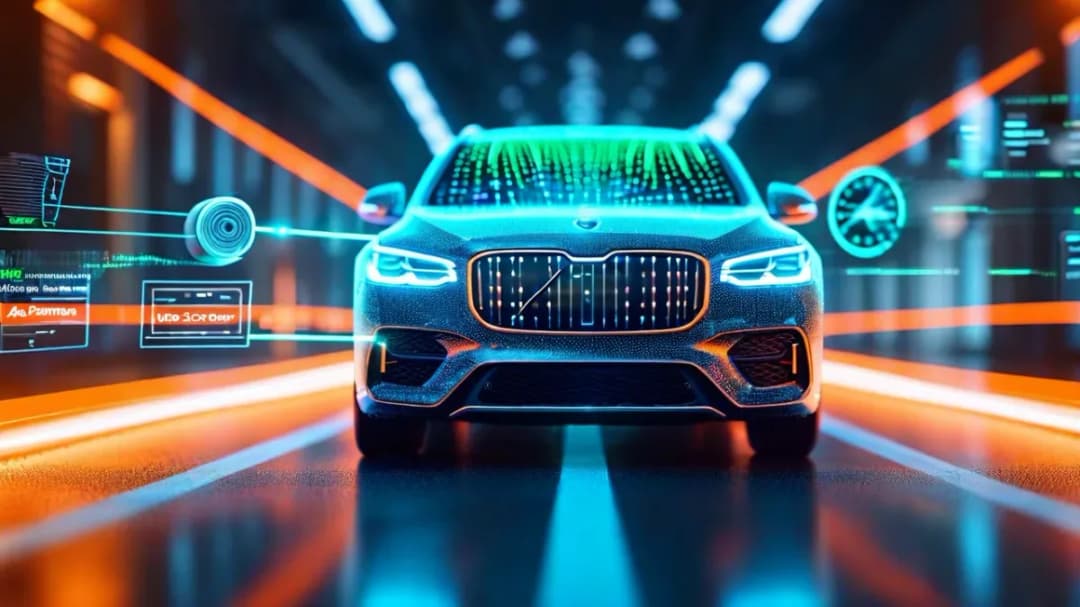
Modern vehicles increasingly rely on advanced driver assistance systems (ADAS), which incorporate expensive sensors, cameras, and radar units. A minor fender-bender that previously cost Rs 15,000 to repair now costs Rs 75,000 if an ADAS camera requires recalibration or replacement.
"A cracked windshield used to be a Rs 5,000 fix," explains HDFC ERGO's motor insurance head Parthanil Ghosh. "Now, if the windshield has an embedded camera for lane departure warning, it's Rs 40,000. The technology that makes cars safer is making insurance more expensive."
Electric Vehicle Impact
Electric vehicles present particular challenges. Battery pack replacements can cost 50-70% of the vehicle's original price, and insurers are still developing actuarial models for EV-specific risks. EV insurance premiums are typically 15-25% higher than equivalent internal combustion vehicles.
Related Reading
Lidar vs Radar vs Camera Explained: Understanding Sensor Fusion in ADAS 2.5+ for Used Car Buyers"EVs are generally safer and have fewer mechanical failures, but when they do need repairs, the costs are substantial," notes ICICI Lombard analyst Sunita Sharma.
Consumer Response
Rising premiums are driving changes in consumer behavior. Uptake of voluntary higher deductibles has increased as consumers accept more risk to reduce premiums. Usage-based insurance products, which price coverage based on actual kilometers driven, are gaining popularity among low-mileage drivers.
Related Reading
Urban Mobility Patterns Post-Pandemic: A GPS AnalysisConsumer groups have called for greater transparency in pricing and questioned whether insurers are adequately passing on cost reductions from improved safety technology.
Looking Ahead
As the Indian automotive market matures, developments like these reshape the competitive landscape. The coming years will reveal which players successfully navigate these transitions and which struggle to adapt. Consumers ultimately benefit from increased competition and innovation, though the transition period may bring uncertainty for some segments.
Industry Impact
This development carries significant implications for India's automotive ecosystem. Industry analysts suggest that the ripple effects will be felt across the supply chain, from component manufacturers to dealership networks. The competitive landscape is likely to shift as established players respond to market dynamics and consumer expectations evolve.
Consumer Perspective
For Indian car buyers, these changes present both opportunities and considerations. Price-conscious consumers may find new value propositions emerging, while those focused on long-term ownership costs should factor in evolving technology and service networks. The market is becoming increasingly sophisticated, requiring buyers to make more informed decisions.
From the desks of car enthusiasts at Nxcar , committed to bringing you stories that celebrate India's automotive spirit.