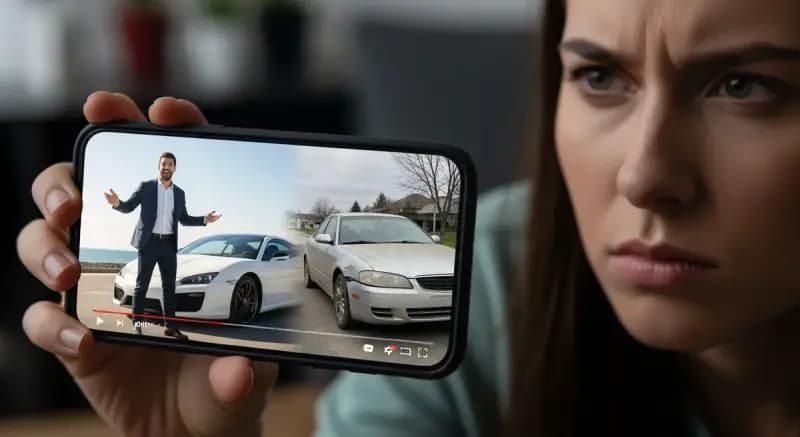
The automotive YouTube ecosystem has exploded into an overwhelming noise machine of comparison videos, track tests, and "honest reviews." You'd think more content means more information. Actually, it means less, because the incentive structure of YouTube reviews is completely broken.
The Access Problem
Automotive YouTubers depend on manufacturer relationships for access to new cars. A negative review means no future test vehicles. No test vehicles means no content. No content means no income. The entire system incentivizes positive coverage.
This is why you'll rarely see a YouTube review that outright recommends against buying a car. Critical comments are couched in diplomatic language: "not for everyone" (bad), "needs some polish" (terrible), "interesting choice" (what were they thinking?). You need a decoder ring to understand actual opinions.
Related Reading
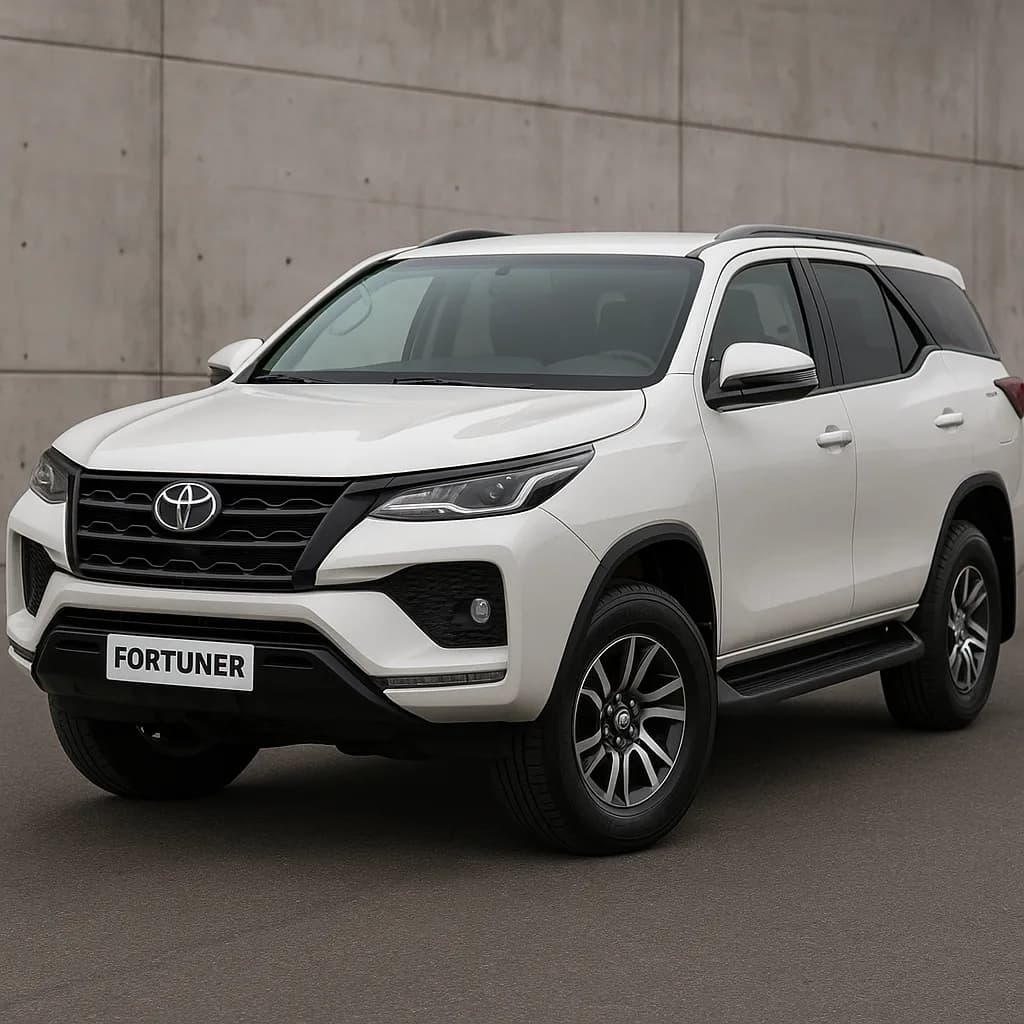
Toyota Fortuner Hybrid: A New Era of Sustainable Luxury in IndiaThe Knowledge Gap
Most automotive YouTubers are content creators, not automotive engineers or professional drivers. They have cameras and enthusiasm. They don't have the technical knowledge to evaluate chassis dynamics, NVH engineering, or material quality at a professional level.
When they say a car "handles well," they mean it didn't crash during their 20-minute test drive. They can't evaluate suspension geometry or damper calibration. They're sharing subjective impressions dressed up as expert analysis.
Related Reading
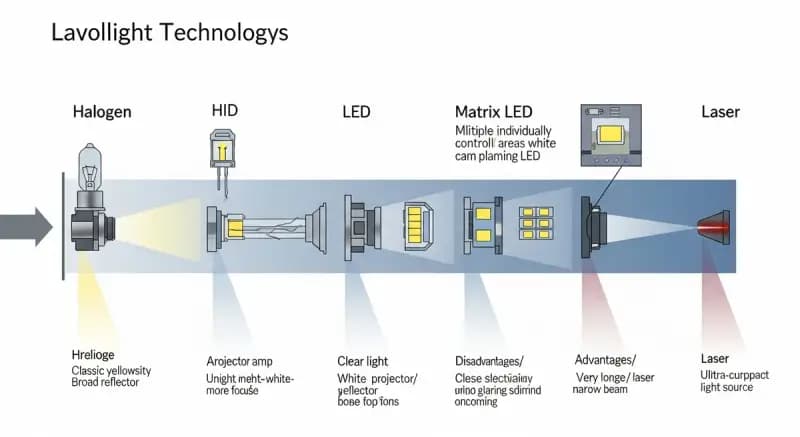
The Hidden Complexity of Modern Headlight TechnologyThe Comparison Fallacy
Comparison videos are particularly useless. They test cars in uncontrolled conditions, different weather, different roads, different fuel levels, and draw conclusions from the results. Real comparison testing requires controlled environments, calibrated equipment, and repeated measurements. YouTube comparisons have none of this.
What Actually Helps
Long-term owner reviews on forums like Team-BHP provide genuine insights. These people have lived with their cars for years. They've experienced real reliability, real costs, real problems. Their reports are unbiased by manufacturer relationships.
Official technical specifications and professional journalism (yes, old-school magazines) still provide value. They're imperfect, but their incentive structures are less corrupted than the influencer economy.
YouTube entertainment is fine. YouTube education about cars? Deeply flawed.
Industry Response
Some manufacturers recognize that customer dissatisfaction ultimately hurts their brands. Progressive companies are implementing stricter dealer oversight, transparent pricing, and customer feedback mechanisms. However, change is slow, and buyers should remain vigilant rather than assuming all players have reformed.
Related Reading
What India's New Vehicle Scrappage Policy Means for Used Car Buyers — And How to Check If Your Car QualifiesThe Bigger Picture
These concerns aren't isolated incidents but symptoms of systemic issues in India's automotive retail landscape. The power imbalance between dealers and consumers, combined with information asymmetry, creates conditions ripe for exploitation. Understanding this context helps buyers protect themselves and push for better practices.
Practical Implications
Beyond the obvious frustrations, these issues have tangible financial consequences. Buyers who fall victim to these practices may find themselves underwater on their purchases within months. The hidden costs accumulate, from overpriced accessories to unnecessary add-ons, eroding the value proposition that initially attracted them to a particular vehicle.
At Nxcar, we believe real car love means real talk. This piece reflects our commitment to honest, unfiltered automotive commentary.