Introduction
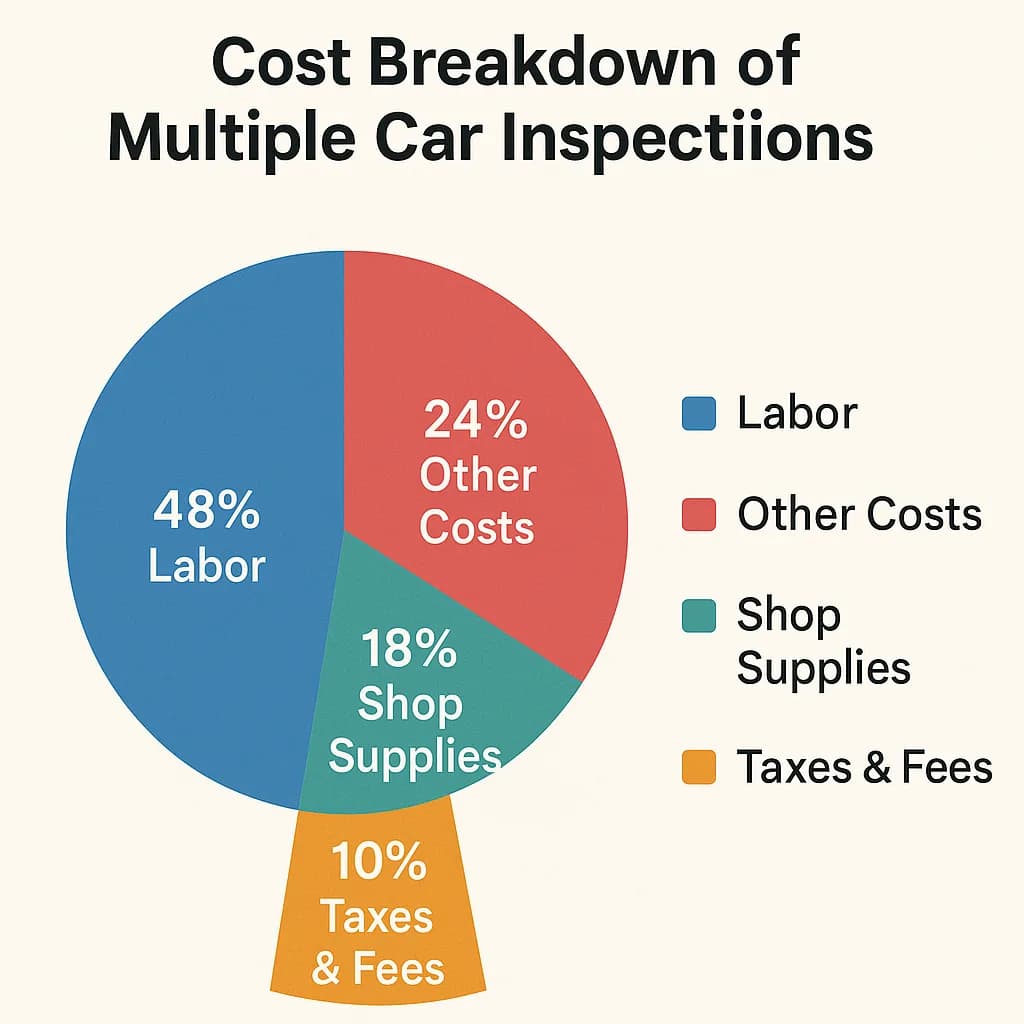
Selling a car might seem like an arduous task, given the myriad aspects one must consider to fetch the best deal. One particular aspect that often goes unnoticed is the hidden cost of 'one more inspection'. While inspections are critical to ensuring the vehicle's condition, pressing for an extra check-up might unwittingly lead to a pile-up of unnecessary expenses, and ultimately, affect the sale's profitability.
Sellers tend to fall into the trap of thinking that more inspections equal more assurance and a higher price point. Yet, what often unfolds is a web of additional fees, delays, and sometimes even devaluation of the car. This article aims to unravel these hidden costs, aiding individuals in making informed choices when preparing their cars for sale.
Design and Exterior: More Than Meets the Eye
The design and exterior condition of a vehicle play a crucial role in its resale value, drawing initial impressions from potential buyers or dealers. Sellers often believe that multiple inspections can help optimise or identify issues with the car's appearance, potentially increasing its value. However, excessive scrutiny might instead highlight unnecessary minor cosmetic issues leading to expensive fixes that do not necessarily enhance resale value proportionately.
Consider the painting or detailing costs; while a single inspection might point you towards essential touch-ups, repetitive inspections could identify minor imperfections—like small dings or slight paint scratches—that might not have been an issue for many buyers. Correcting these can be costly, and the investment might not yield a return, as aesthetic oversights often do not significantly impact the selling price.
Interior and Features: Inspecting Every Detail
The interior of a car is where the buyer spends most of their time, making its condition and features of paramount importance. Sellers may wish to ensure that every electronic component, comfort feature, and upholstery aspect is in top notch condition through exhaustive inspections.
While one thorough review by a professional inspector is necessary, multiple calls for inspection can lead to identifying only minimal wear and tear issues like tiny upholstery tears, or slightly outdated infotainment systems—issues that are usually acceptable in used cars. Fixing such problems not only adds to the cost but might not offer a substantial enhancement in the vehicle’s market value.
Engine and Performance: The Heart of the Matter
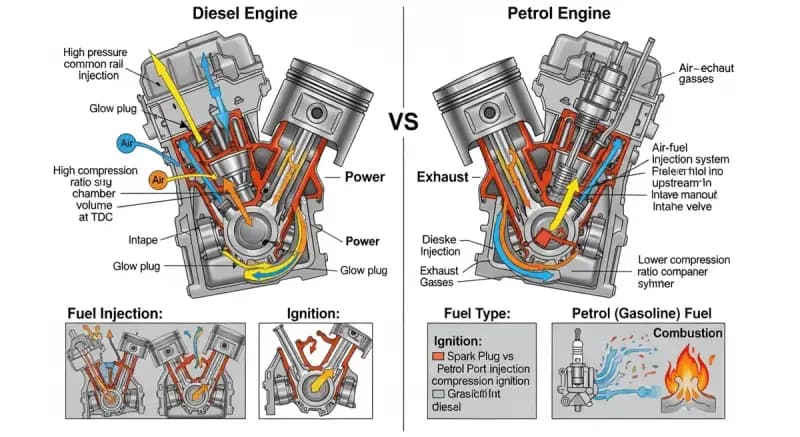
The heart of any vehicle is its engine, and ensuring its optimal performance is crucial before a sale. The trap many sellers fall into is assuming that multiple inspections might uncover hidden mechanical faults that, once repaired, could boost the vehicle's saleability.
However, frequent engine checks often unearth inconsequential concerns that do little to impair the performance but may lead to unnecessary repairs. Combine this with the potential inconveniences of not being able to show the car while it is delayed in repair shops, and the seller faces not just the financial toll but also time lost in the sales process.
Safety Features: Essential, but at What Cost?
Modern cars boast a wide array of safety features designed to protect both the driver and passengers. Regular safety inspections help affirm the reliability of these features, but one too many can escalate costs significantly. Sellers often forget that any vehicle that has passed a standard inspection typically doesn’t require exhaustive re-testing.
Over-inspection may bring up outdated software in applicable features or wear on certain parts that, while operational, need not be replaced unless caused by a significant issue. Each of these revisions can be costly and time-consuming, ultimately reducing the overall benefit of the sale by not necessarily adding substantial perceived safety value.
Price and Variants: Evaluating True Value
Sellers often aim to ensure they receive a fair price for their car, in line with its variant specifications and features. Frequently, an additional inspection is believed to help tweak the pricing according to newfound insights into the car's condition or market evaluation.
Yet in reality, the cost incurred from constant evaluations and repairs due to cumulative inspections might hike the apparent seller’s expenses. Notably, within competitive markets, the net price received post such interventions could still resemble that of a single properly informed inspection, leaving the seller in a potential deficit due to correction costs incurred.
Comparison with Competitors
It’s vital to compare your vehicle to competitors in similar conditions, models, and age brackets. Many sellers opt for inspections with the intent to outdo competitors’ offerings via refinements, aiming to present a ‘better than average’ car.
However, competitive analysis often becomes lost amid over-inspecting. Excessive focus on rectifying minute disparities from competition can lead sellers away from practical, beneficial changes. Ultimately, this could inflate costs without increasing competitive advantage, as buyers periodically prioritise baseline reliability and pricing over isolated feature superiority.
Pros and Cons
Choosing to implement multiple inspections when selling a car presents both its advantages and disadvantages. On one hand, routine inspections instil confidence in prospective buyers about the car’s bankability and safety. Identifying and addressing glaring faults can definitely uplift the market perception of your vehicle.
Conversely, excessive inspections might spur over-rectification of minimal issues, burdening sellers with repair costs that they might not recoup from the sale. Additionally, excess repairs can lead to time wastage, causing dissatisfaction from buyers waiting longer periods to see the vehicle in question.
Should You Buy It / Final Verdict
Ultimately, the decision to present your car with multiple ‘footnote’ inspections comes down to evaluating the real need and balancing this against potential financial and time-related drawbacks. It is critical to appraise whether an additional review will indeed surface issues that might undermine the car’s credibility or primarily add to unwarranted expenses.
Most inspections may only need a consolidated process with reputable professionals to achieve a comprehensive report. As a seller, being informed about prudent choices rather than exhaustive checks could safeguard you against reduced financial return, meanwhile ensuring the car’s trustworthy condition for a sale.
Closing Paragraph
At Nxcar, we understand the finer complexities involved in selling a car successfully, tackling the hidden costs for ensuring a seamless transition. Stay informed and make the best decisions in your automotive journey with our extensive content and insights at Nxcar.