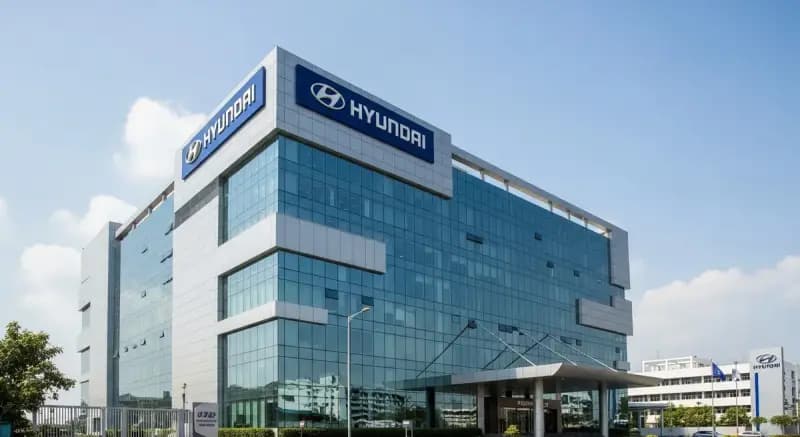
Hyundai Motor India has officially filed its Draft Red Herring Prospectus (DRHP) for what is set to become the largest initial public offering in the Indian automotive sector and one of the biggest IPOs in Indian market history, targeting a valuation of approximately Rs 1.5 lakh crore.
The Korean automaker's Indian subsidiary plans to offer 142.2 million shares, representing approximately 17.5% of its equity, through an offer for sale by parent company Hyundai Motor Company. No fresh shares will be issued, meaning all proceeds go to the Korean parent.
Valuation and Pricing
At the expected price band of Rs 1,865-1,960 per share, the IPO will raise approximately Rs 27,870 crore, surpassing the LIC IPO's Rs 21,000 crore as the largest by an Indian subsidiary of a foreign company.
Related Reading
Why the Car's Real Revolution Is Happening Behind the Dashboard and What It Means for Used Car BuyersThe valuation implies a price-to-earnings ratio of approximately 26x, slightly higher than listed competitor Maruti Suzuki's current P/E of 24x. Analysts suggest the premium is justified given Hyundai India's faster growth rate and stronger positioning in the SUV and electric vehicle segments.
Business Performance
Hyundai India has demonstrated impressive financials, with revenues of Rs 71,302 crore and net profit of Rs 6,060 crore in FY2024. The company holds approximately 15% of the Indian passenger vehicle market, making it the second-largest player behind Maruti Suzuki.
Key models driving sales include the Creta (India's best-selling SUV), Venue, i20, and the recently launched Ioniq 5 electric vehicle. The company exports to over 90 countries from its Chennai manufacturing facility.
Investor Interest
Preliminary anchor book building suggests overwhelming institutional interest. "Hyundai India is a rare opportunity to invest in a high-quality auto company with exposure to India's growth story," said HDFC Securities analyst Pramod Kumar.
Related Reading
Economic Impact of Road Congestion: A Multi-City AnalysisRetail investors will be allotted 35% of the issue, with a Rs 200,000 maximum investment limit for the retail category. The listing is expected in early November 2025, pending SEBI approval.
Industry Impact
This development carries significant implications for India's automotive ecosystem. Industry analysts suggest that the ripple effects will be felt across the supply chain, from component manufacturers to dealership networks. The competitive landscape is likely to shift as established players respond to market dynamics and consumer expectations evolve.
Consumer Perspective
For Indian car buyers, these changes present both opportunities and considerations. Price-conscious consumers may find new value propositions emerging, while those focused on long-term ownership costs should factor in evolving technology and service networks. The market is becoming increasingly sophisticated, requiring buyers to make more informed decisions.
Regional Variations
The impact will vary across different Indian markets. Metropolitan areas with higher purchasing power may see accelerated adoption of new technologies and brands. Tier-2 and Tier-3 cities, which increasingly drive automotive sales growth, will likely follow different adoption curves based on infrastructure readiness and price sensitivity.
The Nxcar team curated this piece with the same passion that drives our love for vintage beauties and modern machines alike.