
Introduction
The Indian automotive industry has witnessed significant transformations in recent years, largely driven by shifts in regulatory landscapes. The Bharat Stage (BS) emission standards, akin to the Euro emission standards, have been pivotal in steering the industry towards greener practices. With BS6 Phase 2 norms coming into effect, the Indian car market has taken a further step towards stricter emission regulations, aimed at curbing pollution and enhancing vehicle performance.
Launched in April 2023, BS6 Phase 2 norms build upon the earlier BS6 standards introduced in 2020. This progression aligns with India's commitments to improve air quality and adhere to global pollution control standards. The upgraded norms necessitate comprehensive changes in the automotive industry, affecting everything from engine design to fuel efficiency and onboard diagnostics.
Design and Exterior
The impact of BS6 Phase 2 norms is not limited to the internal mechanics of vehicles. Automakers have had to consider the implications of these norms on car design and exterior features. The emphasis on reducing the weight of vehicles, for example, is a strategy pursued to enhance fuel efficiency and reduce emission levels.
Manufacturers are investing more in aerodynamics, utilising advanced materials such as high-strength steel and aluminium to achieve lighter yet robust body structures. These materials not only help in achieving regulatory compliance but also improve vehicle aesthetics. Additionally, the integration of features like active grille shutters and underbody panels to improve airflow dynamics represents the innovative adaptations being made.
Interior and Features
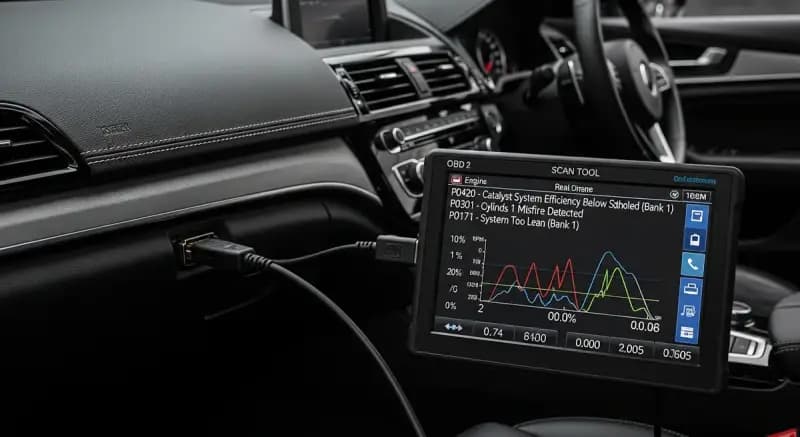
The introduction of BS6 Phase 2 standards has also influenced the interior features of cars. One of the critical areas of development is the enhancement of Onboard Diagnostics (OBD). Vehicles are now equipped with enhanced OBD systems to provide real-time information about emission levels, alerting drivers to any issues that might affect the vehicle's emission outputs.
Moreover, as efficiency and performance take centre stage, electronic systems have seen significant upgrades. Infotainment systems are increasingly designed to support navigational aids that optimise route efficiency, contributing offhandedly to emission reductions. The integration of such technology reflects how these norms have impacted not just the environment but also the day-to-day driving experience.
Engine and Performance
Perhaps the most noticeable impact of the BS6 Phase 2 norms is on the engine and performance aspects of vehicles. Engines are the heart of this entire transformation, with manufacturers adopting cutting-edge technologies like turbocharging and fuel injection improvements. These advancements are necessary to meet the stricter emission norms without sacrificing performance.
The switch to better precision in fuel management through technologies like Gasoline Particulate Filters (GPF) and Selective Catalytic Reduction (SCR) has been pivotal. These technologies ensure that engines not only comply with emission standards but also enhance power output and fuel economy. It is a balancing act between reducing pollutants and maintaining, if not enhancing, the driving prowess that consumers expect.
Safety Features
While emissions are at the heart of BS6 Phase 2 regulations, interestingly, there is a ripple effect on safety features as well. With manufacturers focusing more on creating technologically advanced vehicles, attention has also shifted towards incorporating better safety technologies. The inclusion of electronic stability control, tyre pressure monitoring systems, and advanced driver-assistance systems reflects this new phase.
This synergy between emission norms and safety does not just stop with basic mandated features. Automakers are embedding more intuitive safety measures as seamless extensions of their emission compliance technology, like adaptive cruise control and lane-keeping assistance, which are finding their way into more mainstream vehicles.
Price and Variants
Introducing such advanced technologies comes with its set of financial implications. Since developing BS6 Phase 2-compliant vehicles involves incorporating new technologies and materials, the manufacturing costs have inevitably increased.
This cost increment often translates into higher vehicle pricing for consumers. However, many manufacturers are optimising their line-up by offering multiple variants that cater to different budget brackets. This strategy helps balance out the increased costs while ensuring a wider range of consumers can access advanced, eco-friendly vehicles that adhere to the latest norms.
Comparison with Competitors
With the implementation of BS6 Phase 2, Indian car manufacturers are now on a comparable footing with global counterparts, especially those adhering to similar stringent emission standards. This push has fostered competition, both domestically and internationally, particularly with manufacturers looking towards exporting vehicles that meet global norms.
Many international players already experienced with European standards have found a streamlined process in adhering to these norms. Conversely, domestic manufacturers have had to accelerate their research and development efforts to keep pace. Now, with this parity, Indian automakers can compete more effectively on a global scale, setting the stage for more innovative offerings in the near future.
Pros and Cons
The BS6 Phase 2 standards indeed bring a host of environmental benefits and technological advancements, but they also present certain challenges. On the positive side, the norms push the industry towards cleaner technology, reducing the nation's carbon footprint and improving urban air quality. The move towards better engine technologies and onboard diagnostics aligns with the global push for sustainable automotive solutions.
However, the downside includes an increase in vehicle prices, making affordability a concern for some segments of buyers. Additionally, the costs associated with vehicle maintenance and repairs may increase due to the complex technology involved.
Should You Buy It / Final Verdict
If you're in the market for a new vehicle, opting for a BS6 Phase 2 compliant car ensures you're contributing to environmental sustainability. These vehicles are equipped with cutting-edge technology that not only improves performance but also enhances the overall driving experience. For the environmentally cautious consumer, this choice supports green practices while providing a modern driving experience.
However, it's essential to consider budget constraints. While technologies that align with BS6 Phase 2 norms offer numerous benefits, the initial cost might be a deciding factor. Weighing these advantages against financial considerations will help potential buyers make more informed decisions.
Closing Paragraph
The shift to BS6 Phase 2 norms marks a monumental step in India's automotive journey. As the industry navigates these changes, consumers can expect more eco-friendly and technologically sophisticated vehicles on the roads. Keep yourself updated with the latest trends and developments in the automotive world by staying tuned to Nxcar, your go-to platform for all things automotive in India.