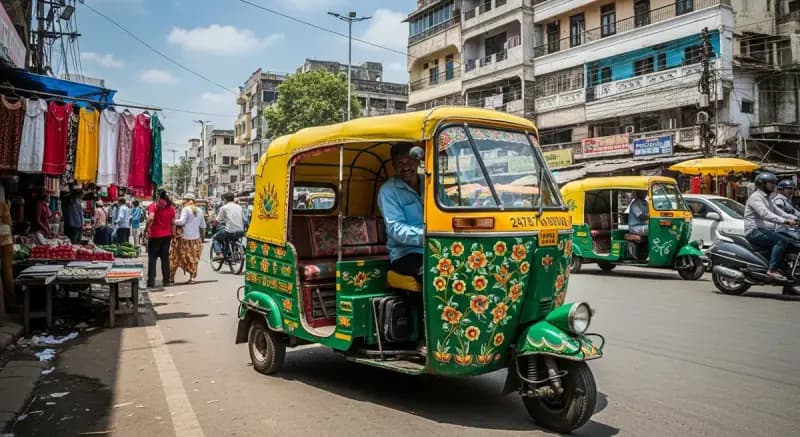
No vehicle is more distinctively Indian than the autorickshaw. The three-wheeled, open-sided conveyance appears in every Bollywood film, every travel documentary, every foreign journalist's piece on Indian chaos. But the autorickshaw is more than visual shorthand, it's transportation for millions.
Origins
The autorickshaw evolved from cycle rickshaws and adapted from Italian Piaggio designs. By the 1950s, locally manufactured three-wheelers began replacing hand-pulled variants. The design balanced multiple requirements: cheap to buy and operate, maneuverable in congested streets, open enough for India's climate.
Urban Utility
Autorickshaws fill the gap between buses (fixed routes, crowded) and taxis (expensive). They're flexible, negotiable, ubiquitous. In cities without metro systems, autos are primary middle-class transport.
The driver-passenger dynamic is unique. Unlike app-based rides, the auto relationship involves fare negotiation, route discussion, and direct human interaction. It can be frustrating (refusals, overcharging) or delightful (conversation, local knowledge).
Regional Variations
Each city's autos have distinctive character. Mumbai's black-and-yellow kaalis follow meters. Delhi's green autos have notorious drivers. Chennai's autos are decorated with personal flair. Bangalore's autos once had the worst reputation for refusals.
Electric Future
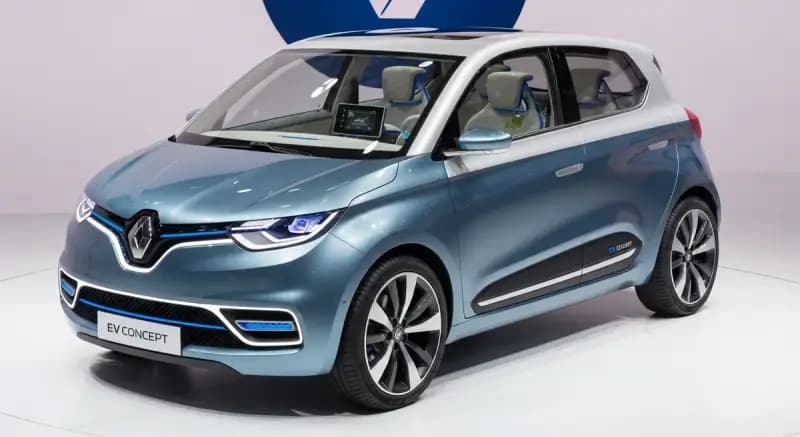
Electric autorickshaws are transforming the industry. Lower operating costs benefit drivers. Zero emissions benefit cities. The familiar form persists while propulsion changes, perhaps the best kind of progress.
Cultural Status
The autorickshaw appears in art, film, and design as India signifier. Its form is globally recognized. Whatever India becomes, the three-wheeled silhouette will remain part of how the world imagines the country.
Preservation and Memory
As automotive technology evolves rapidly, preserving heritage becomes increasingly important. Museums, collector communities, and documentation efforts ensure that future generations can connect with automotive history. The stories embedded in these machines deserve to be remembered and celebrated.
Cultural Significance
Cars have always been more than transportation in India, they're status symbols, family members, and markers of progress. Understanding this cultural context enriches appreciation for automotive heritage. The emotional connections people form with their vehicles transcend rational economic calculations.
Generational Perspectives
Different generations relate to automotive culture differently. Those who remember the scarcity of the license raj era view car ownership through a different lens than millennials who've known only market abundance. These varying perspectives create rich narratives around automotive history and future directions.
At Nxcar, we celebrate automotive culture in all its forms , from vintage rallies to Bollywood car chases.