When The Fast and the Furious released in 2001, it wasn't just a movie, it was a cultural earthquake that reshaped how an entire generation viewed automobiles. For Indian car enthusiasts, the franchise opened a window to a world of car modification, racing culture, and automotive passion that domestic cinema had never explored. Twenty-three years later, the franchise's influence remains embedded in Indian car culture.
The Modification Revolution
Before Fast & Furious, car modification in India was largely limited to truck art and taxi decorations. The concept of performance modification, tuning engines, installing body kits, adding custom exhausts, existed only in niche motorsport circles. The franchise changed everything.
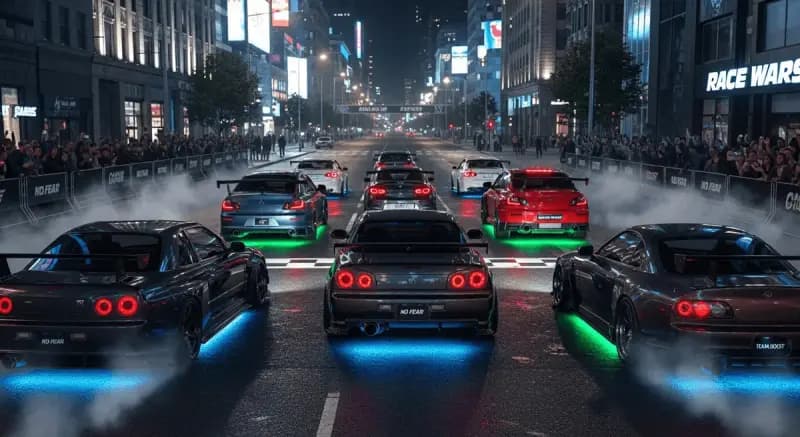
Suddenly, young Indians wanted neon underlights, body kits, and loud exhausts. A cottage industry emerged to serve this demand. Places like Karol Bagh in Delhi and Kurla in Mumbai became modification hubs where enthusiasts gathered to discuss "builds" using vocabulary directly borrowed from the films.
Related Reading
10 Year EV Cost Comparison. Full Engineering Cost ModelThe Aesthetic Shift
Indian automotive aesthetics were traditionally conservative, white Ambassadors, beige Marutis, dignified sedans for dignified people. Fast & Furious introduced a counter-aesthetic: bright colors, aggressive styling, visible carbon fiber, and wheels larger than anyone thought practical.
This aesthetic influence persists in how manufacturers design cars for the Indian market. The aggressive grilles on modern Tata vehicles, the sporty styling of the Hyundai i20 N Line, the performance variants every manufacturer now offers, all trace lineage to the appetite Fast & Furious created.
Racing Culture
Illegal street racing existed in India before Fast & Furious, but the films glamorized and expanded it. Mumbai's Bandra-Worli Sea Link became a drag strip venue. Delhi's Gurgaon Expressway hosted midnight races. The culture was dangerous and illegal, but undeniably linked to the franchise's influence.
More positively, the interest generated by the films supported growth of legitimate motorsport. Drift events, drag racing events, and track days have expanded dramatically as the generation raised on Fast & Furious reaches car-owning age.
Related Reading
Discovering India's Maximum-Selling Car: The Maruti Suzuki AltoThe Enduring Legacy
The latest Fast & Furious installments are more superhero films than car movies, but the cultural impact of the original trilogy remains. When a young Indian enthusiast installs a cold air intake or argues about JDM versus Euro, they're participating in a culture that Fast & Furious made accessible.
For better or worse, these films taught a generation that cars could be passion, not just transportation. That's a legacy no box office numbers can capture.
Cultural Significance
Cars have always been more than transportation in India, they're status symbols, family members, and markers of progress. Understanding this cultural context enriches appreciation for automotive heritage. The emotional connections people form with their vehicles transcend rational economic calculations.
Generational Perspectives
Different generations relate to automotive culture differently. Those who remember the scarcity of the license raj era view car ownership through a different lens than millennials who've known only market abundance. These varying perspectives create rich narratives around automotive history and future directions.
This story was curated by the Nxcar team , a group of car lovers who believe that automobiles carry our memories, dreams, and cultural heritage.