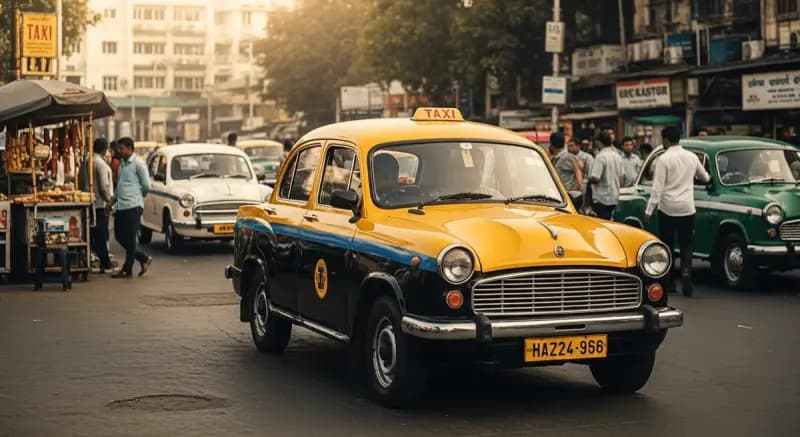
For decades, the Ambassador taxi defined urban mobility in India. Black-and-yellow in Mumbai, white with green stripe in Kolkata, the same basic vehicle served as the nation's urban chariot. Its replacement by app-based cabs marks not just technological change but cultural transformation.
The Monopoly Era
Taxi permits were limited and valuable. Ambassador taxis operated under regulated fares with metered pricing. Getting a taxi meant standing at designated stands or hailing on streets. The driver had leverage; you needed him more than he needed you.
This created notorious behaviors: refusals to certain destinations, insistence on return fare, meter 'malfunctions.' The Ambassador taxi experience was as much negotiation as transportation.
The Driver Community
Taxi drivers formed a distinct community. Many were migrants who saved for years to buy permits. They worked crushing hours, 16-hour days weren't unusual. Their knowledge of city streets was encyclopedic, earned through decades of navigation.
There was pride in the work. Ownership meant independence. The taxi was career, asset, and identity.
The Disruption
Ola and Uber arrived with promises: no refusals, transparent pricing, air-conditioned comfort. Within a decade, they transformed urban mobility. Ambassador taxis became rare, their elderly drivers unable to compete with smartphone-equipped competition.
What Was Lost
Efficiency replaced character. GPS navigation replaced local knowledge. Corporate algorithms replaced human negotiation. The change was mostly positive, but something disappeared too: the Ambassador's quirky presence, the driver's stories, the adventure of uncertain arrival.
Kolkata alone maintains Ambassador taxis in numbers. Perhaps the city understands that some things are worth keeping despite inefficiency.
Cultural Significance
Cars have always been more than transportation in India, they're status symbols, family members, and markers of progress. Understanding this cultural context enriches appreciation for automotive heritage. The emotional connections people form with their vehicles transcend rational economic calculations.
Generational Perspectives
Different generations relate to automotive culture differently. Those who remember the scarcity of the license raj era view car ownership through a different lens than millennials who've known only market abundance. These varying perspectives create rich narratives around automotive history and future directions.
Regional Variations
India's diverse regions each have unique automotive cultures. From the decorated trucks of Punjab to the vintage car rallies of Mumbai to the modified vehicles of Chennai, local traditions shape how communities relate to automobiles. This diversity is part of India's rich automotive heritage.
This piece of automotive history was curated by Nxcar , a team that believes remembering the past helps us appreciate the present.