Introduction
Buying a used car has become an increasingly popular choice among Indian car buyers. With rising prices of new vehicles, expensive insurance premiums, and long waiting periods for some models, many people are turning towards the pre-owned car market for better affordability and value. A used car often allows buyers to own a higher segment vehicle at a significantly lower price compared to purchasing a brand-new model.
However, while the initial purchase cost of a used car may appear attractive, long-term ownership involves another important factor that buyers must carefully evaluate — maintenance costs. Unlike new cars that usually come with manufacturer warranties and fresh components, used cars may require repairs, servicing, or replacement of worn-out parts over time.
The actual maintenance cost of a used car depends on multiple factors such as the vehicle’s age, mileage, service history, driving condition, brand reputation, availability of spare parts, and even the previous owner’s maintenance habits.
For many buyers, ignoring maintenance expenses during purchase can lead to unexpected financial burdens later. A car that appears affordable initially may eventually become expensive to maintain if its engine condition, suspension, electronics, or transmission are not properly inspected.
This is why understanding used car maintenance costs is essential before making a buying decision. In this detailed guide, we explore the major factors that influence used car maintenance expenses, practical tips to reduce ownership costs, and how to choose a used car that offers the right balance between affordability and reliability.
Design and Exterior
The design and exterior condition of a used car play a major role in determining future maintenance costs. While cosmetic appearance may not directly affect performance, visible exterior damage often indicates how well the car was maintained by previous owners.
One of the most common issues in older used cars is paint deterioration. Prolonged exposure to sunlight, rain, pollution, and harsh weather conditions can fade paint quality over time. Repainting panels or restoring damaged paintwork can become expensive, especially for premium or luxury vehicles.
Rust and corrosion are other important concerns. Rust usually develops around wheel arches, underbody sections, doors, and roof edges. If left untreated, corrosion can weaken structural components and lead to costly repairs in the future.
Buyers should also inspect for dents, scratches, panel gaps, and mismatched paint shades. Uneven paint or inconsistent body alignment may indicate past accidents or poor-quality repair work.
Modern used cars generally feature better rust protection and improved exterior durability compared to older models. However, repair costs for advanced body panels, LED headlamps, and alloy wheels can still be high.
A thorough exterior inspection before purchase can help buyers avoid hidden repair expenses after ownership.
Interior and Features
The cabin condition of a used car says a lot about its overall usage and maintenance history. Interior wear and tear not only affects comfort but can also lead to expensive repairs if neglected.
Luxury vehicles and premium variants often come equipped with advanced electronics, touchscreen infotainment systems, powered seats, sunroofs, ambient lighting, digital clusters, and automatic climate control systems. While these features improve driving comfort, they can significantly increase maintenance expenses if they malfunction.
Before purchasing a used car, buyers should carefully test every electrical and electronic feature.
Check whether:
Related Reading
10 Year EV Cost Comparison. Full Engineering Cost ModelThe infotainment system works properly, touchscreen response is smooth, speakers function correctly, AC cooling is effective, steering-mounted controls respond properly, power windows operate without delay, and seat adjustments work as intended.
Repairs involving electronic modules, wiring systems, or infotainment components can be expensive, especially for imported or luxury brands.
Seat condition also matters. Torn upholstery, damaged leather, broken adjustment mechanisms, or sagging cushions may require refurbishment.
Additionally, cabin water leakage, unusual odours, or moisture buildup can indicate previous flood damage, which should always be treated as a major warning sign.
Choosing a well-maintained interior can save substantial money in future repairs and replacements.
Engine and Performance
The engine is undoubtedly the most important component of any vehicle and often the biggest contributor to maintenance costs in a used car.
High-mileage vehicles naturally experience greater wear in engine parts such as pistons, timing chains, injectors, turbochargers, and gaskets. If routine servicing was ignored by previous owners, engine reliability may become questionable.
Before purchasing a used car, buyers should thoroughly inspect the engine condition or seek assistance from a trusted mechanic.
Some important things to check include:
Engine noise during startup, smoke from the exhaust, oil leakage, coolant leakage, vibration levels, unusual knocking sounds, and service history records.
Modern turbo-petrol engines offer strong performance and efficiency but may involve higher maintenance costs compared to naturally aspirated engines.
Diesel vehicles, while fuel-efficient for long-distance driving, can become expensive to maintain if components like turbochargers, diesel particulate filters, or injectors require replacement.
Transmission systems are equally important. Automatic gearboxes, especially DSG, CVT, or torque converter units, provide comfort but can be expensive to repair if neglected.
Regular engine servicing, timely oil changes, and proper driving habits significantly reduce long-term maintenance costs.
Related Reading
Stop Comparing Cars on YouTube: Here's Why Reviews Are UselessSuspension and Ride Quality
Suspension health directly affects both comfort and maintenance expenses in used cars.
Indian roads often place heavy stress on suspension components such as shock absorbers, control arms, bushings, and link rods. Worn suspension parts can lead to poor ride quality, tyre wear, and unstable handling.
During inspection, buyers should check for:
Unusual suspension noises, excessive body roll, steering vibration, uneven tyre wear, and poor ride comfort over bumps.
Luxury cars with adaptive suspension systems or air suspension setups may offer exceptional comfort but can involve very high replacement costs.
Simpler suspension systems generally remain more affordable to maintain over time.
Safety Features
Safety features are essential in every vehicle, but they can also contribute to maintenance expenses if repairs become necessary.
Modern cars come equipped with airbags, ABS, ESC, traction control, reverse cameras, parking sensors, and advanced driver assistance systems.
Buyers should verify that all safety systems are functioning correctly before purchasing a used car.
Warning lights on the instrument cluster should never be ignored, as they may indicate faults in ABS modules, airbag systems, or stability control electronics.
Brake condition is another major factor. Worn brake pads, damaged discs, leaking brake fluid, or weak braking response may require immediate attention.
Tyres also play a major role in safety and ownership cost. Replacing all four tyres can become a significant expense, especially for SUVs and luxury vehicles.
While maintaining safety systems may increase ownership costs slightly, compromising on safety should never be an option.
Price and Variants
The price range of used cars varies widely across different brands, segments, and variants. However, lower purchase price does not always guarantee lower ownership cost.
Related Reading
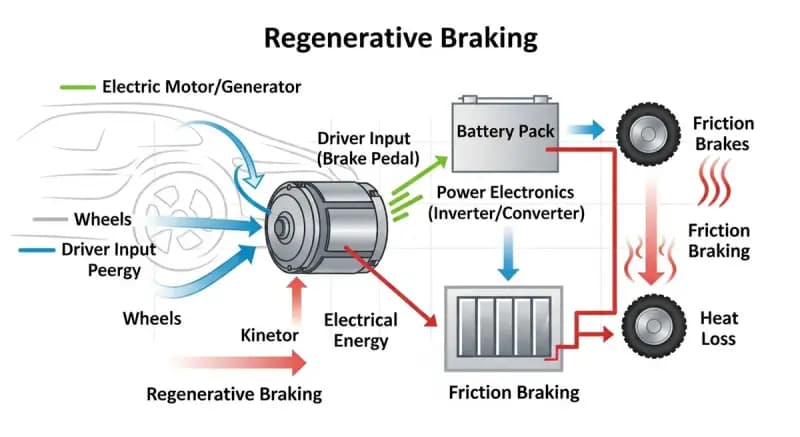
Regenerative Braking: Efficiency Gains and LimitationsLuxury vehicles often experience massive depreciation, making them appear attractive in the used market. However, their maintenance, spare parts, and labour charges remain expensive.
On the other hand, mass-market brands like Maruti Suzuki and Hyundai generally offer affordable spare parts, lower service costs, and widespread service networks.
Variant selection also matters. Fully loaded variants with panoramic sunroofs, ADAS features, and complex electronics may require higher maintenance compared to simpler variants.
Buyers should evaluate not only the purchase price but also fuel efficiency, insurance renewal costs, service intervals, tyre replacement costs, and spare part availability.
Comparison with Competitors
Comparing maintenance costs across different brands is one of the smartest steps before purchasing a used car.
Japanese brands like Honda and Toyota are widely known for reliability and lower long-term maintenance expenses. Maruti Suzuki vehicles generally offer the cheapest ownership experience due to affordable spare parts and extensive service networks.
German brands like Volkswagen, Skoda, BMW, Audi, and Mercedes-Benz often deliver superior driving performance and build quality but may involve higher maintenance and repair costs.
Korean brands such as Hyundai and Kia strike a balance between features, reliability, and ownership affordability.
Researching ownership reviews, service records, and reliability reports helps buyers understand the real-world maintenance experience of each model.
Tips to Reduce Used Car Maintenance Costs
There are several practical ways to reduce long-term ownership expenses after purchasing a used car.
Always follow regular servicing schedules and avoid delaying oil changes or filter replacements.
Use genuine spare parts whenever possible, as poor-quality aftermarket components may lead to bigger issues later.
Drive smoothly and avoid aggressive acceleration or harsh braking, which increase wear on tyres, brakes, and suspension.
Maintain proper tyre pressure and wheel alignment to improve fuel efficiency and tyre life.
Related Reading
The Rise and Fall of Pimp My RideKeep detailed service records, as they improve resale value and help track maintenance history.
Preventive maintenance is often far cheaper than major repairs caused by neglect.
Pros and Cons
Pros:
Used cars offer lower purchase prices, slower depreciation, wider vehicle choices, and better value for money. Buyers can often afford higher-segment cars at reduced prices.
Insurance premiums are usually lower, and negotiations are more flexible in the used car market.
Cons:
Maintenance costs can be unpredictable, especially if the vehicle has poor service history or hidden mechanical issues.
Older cars may require frequent repairs, part replacements, and additional spending on suspension, tyres, batteries, or electronics.
Warranty coverage may also be limited or unavailable.
Should You Buy a Used Car / Final Verdict
Buying a used car can be a financially smart decision if approached carefully and responsibly. The key lies in balancing purchase affordability with long-term maintenance planning.
A well-maintained used car with proper service history, healthy mechanical condition, and affordable spare parts can provide years of reliable ownership at a fraction of the cost of a new vehicle.
However, buyers should never make decisions based purely on low pricing. Thorough inspection, professional evaluation, and understanding future maintenance expenses are essential steps before finalising any used car purchase.
For buyers willing to invest time in research and vehicle verification, the used car market offers excellent opportunities and tremendous value.
At Nxcar, we help car buyers make smarter automotive decisions through expert reviews, ownership guides, maintenance insights, and trusted used car listings. Explore our used cars collection to find reliable vehicles that suit your budget and driving needs while staying fully informed about long-term ownership costs.