
When a new car launches, excitement builds. The marketing machine revs up with glossy ads and influencer reviews. People rush to book, bragging about single-digit booking numbers. This is exactly when you should stay far, far away. Here's why first-month buyers are manufacturers' favorite suckers.
Quality Control Nightmares
Initial production batches of any vehicle have quality issues. Manufacturing lines aren't fully optimized. Workers are still learning new processes. Component suppliers are ramping up. The cars built in month one are objectively inferior to cars built in month six.
Every major launch in India has had first-batch problems. The Creta launched with AC compressor issues. The XUV700 had software glitches. The Astor had connectivity problems. Early buyers became unpaid beta testers, spending their time at service centers while later buyers got refined products.
Related Reading
Cars Expected to Get Massive Discounts This Year in IndiaThe Waiting Premium
First-month buyers pay the highest possible price. No discounts, no accessories deals, no exchange bonuses. Dealers have leverage because demand exceeds supply. You'll pay full sticker price plus inflated accessories.
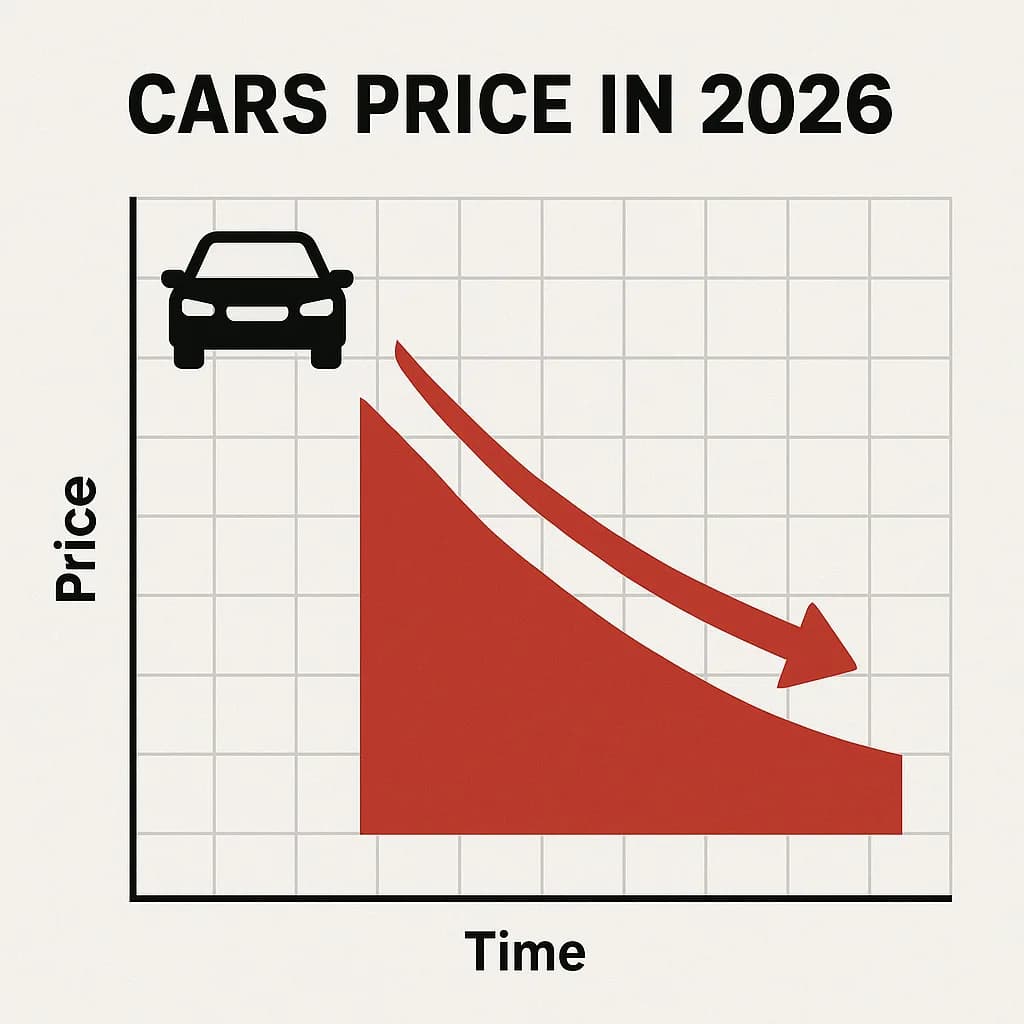
Wait three months. Demand-supply balances. Dealers start offering discounts to meet targets. You get the same car, better built, for Rs 30,000-50,000 less. That's money in your pocket for literally just waiting.
Real-World Feedback
Manufacturer-sponsored reviews at launch events are useless. Journalists drive for 30 minutes on smooth test tracks with PR executives watching. They can't tell you about long-term reliability, real-world mileage, service costs, or software stability.
By month three, actual owners have put 5,000-10,000 km on their cars. They've discovered the rattles, the build quality issues, the features that don't work as advertised. This information is invaluable and completely unavailable to first-month buyers.
Related Reading
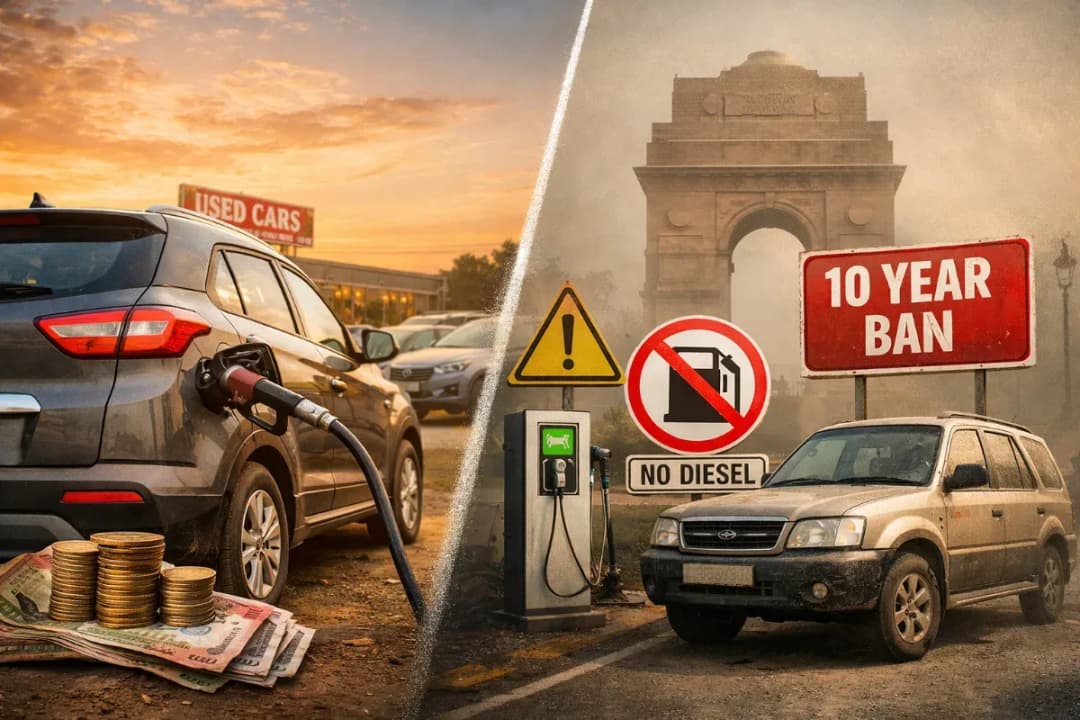
Should You Buy Diesel After BS6 Implementation for Your Used CarFOMO is Manufactured
The urgency to buy immediately is artificially created. "Limited initial batch!" "Prices will increase!" "Waiting period will extend!" These are marketing tactics, not realities. There will always be more cars. Prices rarely increase significantly.
Be patient. Let others take the risks. Buy a superior product at a lower price with real-world information to guide your decision. The smart money waits.
What Buyers Can Do
Empowered consumers are the best defense against questionable practices. Thorough research before entering a showroom, willingness to walk away from unfavorable deals, and sharing experiences with fellow buyers create accountability. Online forums and owner communities have become invaluable resources for cutting through marketing noise.
Industry Response
Some manufacturers recognize that customer dissatisfaction ultimately hurts their brands. Progressive companies are implementing stricter dealer oversight, transparent pricing, and customer feedback mechanisms. However, change is slow, and buyers should remain vigilant rather than assuming all players have reformed.
The Bigger Picture
These concerns aren't isolated incidents but symptoms of systemic issues in India's automotive retail landscape. The power imbalance between dealers and consumers, combined with information asymmetry, creates conditions ripe for exploitation. Understanding this context helps buyers protect themselves and push for better practices.
Practical Implications
Beyond the obvious frustrations, these issues have tangible financial consequences. Buyers who fall victim to these practices may find themselves underwater on their purchases within months. The hidden costs accumulate, from overpriced accessories to unnecessary add-ons, eroding the value proposition that initially attracted them to a particular vehicle.
Curated by Nxcar: We love cars, but we love our readers more. Here's the truth you need to make better decisions.