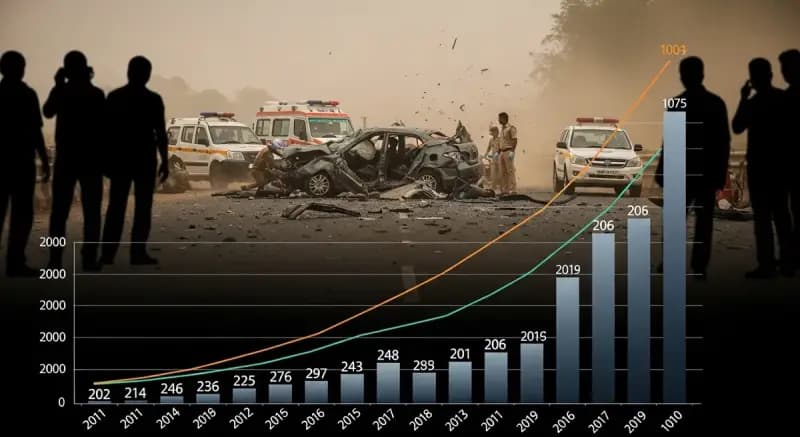
We've celebrated recent safety improvements, Bharat NCAP ratings, better-equipped vehicles, tougher standards. But the uncomfortable truth remains: Indian roads are among the world's deadliest, and vehicle safety is a minor factor.
The Infrastructure Reality
155,000 road deaths annually. Not because cars are unsafe, because roads are deadly. Unmarked curves. Missing barriers. Absent lighting. Pedestrians forced onto highways. No amount of airbags compensates for systemic infrastructure neglect.
The Enforcement Gap
Speed limits exist. Lane discipline rules exist. Drunk driving laws exist. Enforcement is sporadic, corrupt, and ineffective. Every traffic rule is routinely violated because violators rarely face consequences.
A car with seven airbags provides minimal protection against a truck traveling wrong-way without lights. Safety tech assumes rule-following traffic; Indian roads offer chaos.
The Uncomfortable Math
Global NCAP 5-star ratings save perhaps 10% of potential fatalities, meaningful but modest. Road engineering improvements save 30-40%. Enforcement saves 20-30%.
We focus on vehicle safety because we can buy it individually. We can't individually buy functional governance. But the latter matters more.
What This Means
Buy safe cars, they help at the margins. But recognize that surviving Indian roads requires defensive driving, route awareness, and considerable luck. The system fails; we adapt.
What Buyers Can Do
Empowered consumers are the best defense against questionable practices. Thorough research before entering a showroom, willingness to walk away from unfavorable deals, and sharing experiences with fellow buyers create accountability. Online forums and owner communities have become invaluable resources for cutting through marketing noise.
Industry Response
Some manufacturers recognize that customer dissatisfaction ultimately hurts their brands. Progressive companies are implementing stricter dealer oversight, transparent pricing, and customer feedback mechanisms. However, change is slow, and buyers should remain vigilant rather than assuming all players have reformed.
The Bigger Picture
These concerns aren't isolated incidents but symptoms of systemic issues in India's automotive retail landscape. The power imbalance between dealers and consumers, combined with information asymmetry, creates conditions ripe for exploitation. Understanding this context helps buyers protect themselves and push for better practices.
Curated by Nxcar: We love cars, but we love our readers more. Here's the truth you need to make better decisions.