Introduction
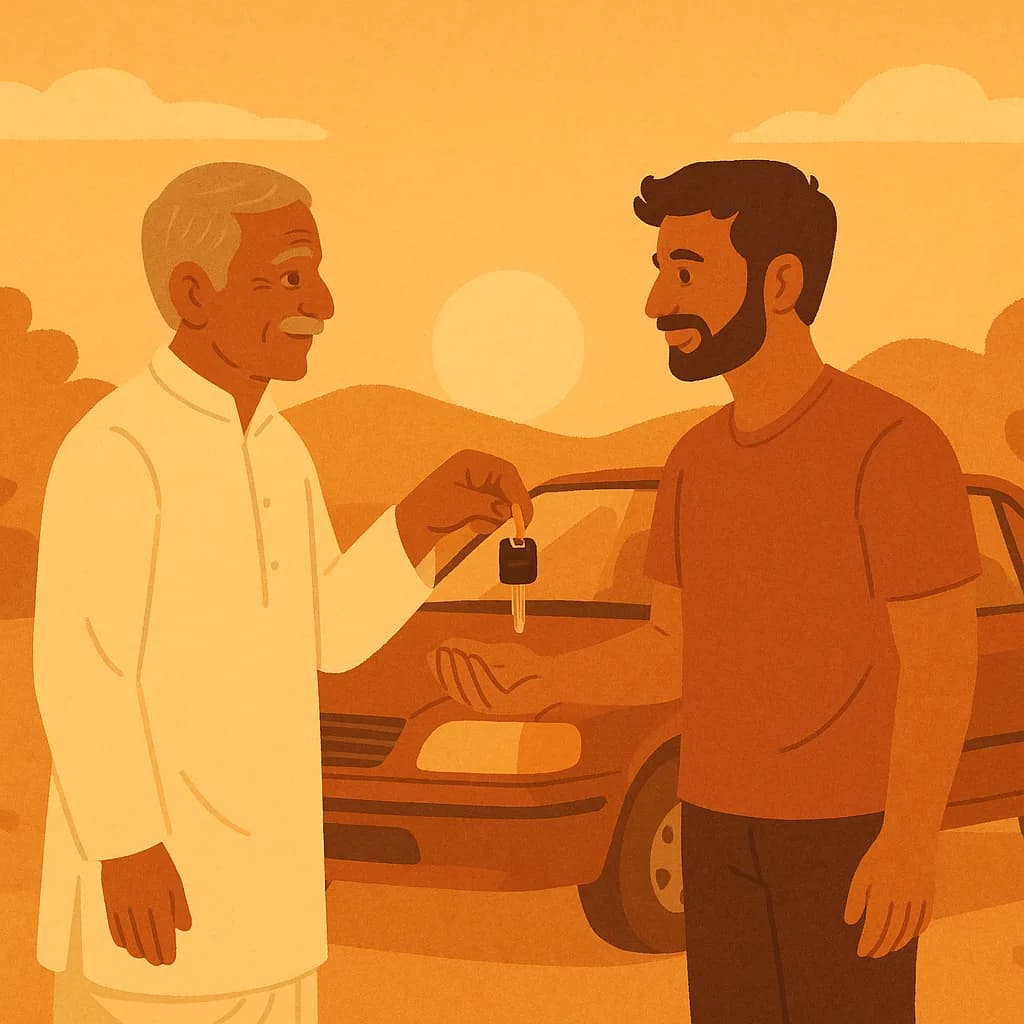
Selling a car isn't just a transaction; it is an emotional and culturally nuanced decision, especially in India. Despite a growing market of online platforms and used car dealerships offering competitive prices, many Indians still prefer to sell their vehicles to relatives. This practice might perplex international observers, but it is deeply rooted in tradition and human relationships. Here, we'll delve into why this phenomenon persists in India and what it reveals about Indian culture.
In the fast-paced world of car sales, where value depreciation is a constant concern, one would assume that maximising resale value is the top priority. However, for many Indian families, selling a car to a relative makes more sense than obtaining the highest offer. Let’s explore the reasons behind this choice and understand its significance in the context of Indian values.
Historical Context
The practice of selling assets, including cars, within the family has its roots in Indian ethos. Historically, the family, or 'joint family' system, has been the bedrock of social and economic life in India. Decisions, whether big or small, were typically discussed and resolved within the family unit, creating a culture where financial and social matters were intertwined.
In the past, cars were considered a luxury rather than a necessity, and the decision to sell one wasn’t taken lightly. Such decisions were often influenced by the family’s needs and future planning. Although times have changed, with cars becoming more of an essential commodity, the underlying values remain. Selling a car to a relative often ensures that the vehicle stays 'in the family', providing a sense of continuity and trust.
The Role of Trust
Trust is the cornerstone of many Indian transactions. Selling to a relative guarantees a certain level of trust that might not be present in conventional sales. One inherently believes that a family member will maintain the vehicle with the same love and care it has received thus far.
Moreover, trust in familial transactions transcends monetary value. While an outsider might haggle or try to lower the price, a relative’s involvement means financial negotiations occur within a trusted circle. This assurance cannot be easily replaced by third-party buyers or even certified resellers, no matter how tempting their offers might be.
Cultural Ties and Emotional Connection
The vehicle itself often holds more than just utility value. For many Indian families, a car might have been part of family holidays, routine travels, and memorable journeys. Creating memories with the vehicle ties it to the family narrative, making it more than just an object for sale.
This emotional connection is a significant reason why cars are often passed down to relatives. Ensuring that the vehicle stays in the family not only preserves these memories but also enhances familial bonds. By entrusting a relative with the car, owners symbolically transfer this legacy, knowing it will be cherished rather than merely used.
Financial Practicality
While cultural and emotional factors are influential, financial well-being is also a key consideration. Selling a car to a relative often simplifies the transactional process, bypassing the need for extensive paperwork and third-party verification. This is especially appealing in a country where bureaucratic hurdles can be daunting.
Additionally, this kind of internal sale can provide financial flexibility. For instance, it’s easier to arrange payments in instalments among relatives rather than insisting on a lump sum, which might not be feasible for the relative at the time. This level of financial accommodation strengthens familial ties even further.
The Impact of Technology
With the rise of digital platforms and mobile apps dedicated to selling used cars, one would expect a shift in preference towards more competitive transactions. These platforms offer a plethora of advantages, from reaching a broader audience to obtaining better valuations. Yet, the choice to sell within the family often prevails.
Despite technology's convenience, the human touch remains irreplaceable. Furthermore, the tech-driven market appears overwhelming to some, leaving them wary of deception, fraud, or hidden terms. Hence, the perceived security and straightforwardness of a familial transaction often outweigh the potential financial gains.
Legal and Documentation Concerns
Certain legal and procedural formalities are easier to handle when dealing with relatives. For many, the prospect of handling the transfer of ownership, road tax norms, and insurance changes can be intimidating. Selling to a relative often means these bureaucratic concerns can be managed more informally and expediently.
In India, the registration transfer process can be cumbersome, involving the Regional Transport Office (RTO) where long queues and multiple visits are common. This arduous process dissuades many from seeking the best market price and prompts them to choose a simpler relative-focused sale.
Comparison with Competitors
Even with a fully-fledged used car market and competitors offering lucrative deals, familial exchanges thrive. Due to the unique socio-cultural landscape in India, traditional methods coexist with modern practices. The market players constantly attempt to modify strategies to attract diverse demographics, yet the resilience of traditional methods is evident.
Companies like Cars24, OLX Autos, and CarDekho offer competitive evaluations and rapid sales processes but cannot replicate the personal level of trust derived from dealing with a family member. They do, however, provide a viable alternative for those prioritising financial gains above familial ties.
Pros and Cons
Selling a car to a relative comes with its own set of advantages and disadvantages. On the positive side, the simplicity and ease of the transaction is unmatched, eliminating the need for advertisement, negotiation with strangers, or ensuring the authenticity of buyers. The emotional assurance that the car is in safe hands is another significant benefit.
On the downside, sellers might not achieve the market value of their vehicle. The financial concession given 'in good faith' and emotional value attached to the transaction may lead to undervaluation. While convenient, this decision might not always align with financial smartness, especially in an economy where maximising asset value is crucial.
Should You Sell Your Car to a Relative?
Deciding whether to sell your car to a relative is highly personal and depends on your priorities. If maintaining familial harmony, trust, and emotional continuity are your primary concerns, this option might be best. However, if financial returns are critical, exploring other avenues could be more beneficial.
It’s crucial to evaluate the sentimental value against potential financial gains while considering broader familial and social dynamics. Consider openly discussing expectations and terms with your relative to avoid misunderstandings and ensure everyone leaves the transaction content.
Conclusion
In a world increasingly driven by commercial considerations, the decision to prioritise family over finance exemplifies the uniqueness of the Indian ethos. Selling a car to a relative reflects the ingrained cultural values of trust, emotional connection, and familial obligation. Understanding this practice offers profound insights into Indian societal norms. For more engaging content like this, stay tuned to Nxcar for your daily dose of automotive insights intertwined with cultural perspectives.