Introduction
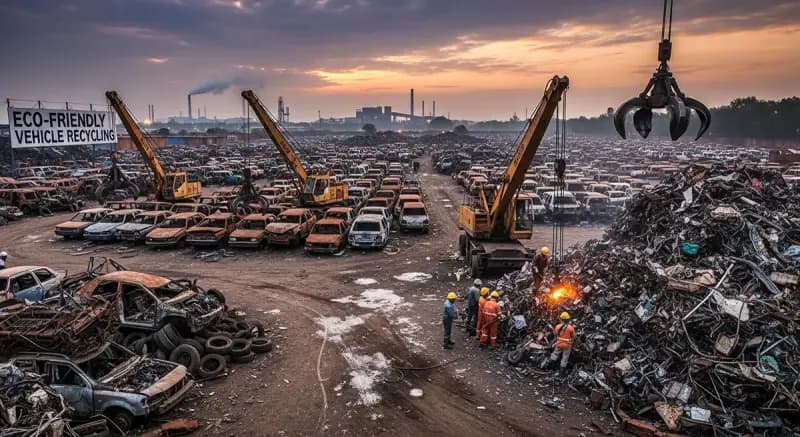
India's automotive industry is undergoing a transformative shift, thanks to the new vehicle scrappage policy introduced by the government. Aimed at reducing pollution and promoting newer, safer, and more fuel-efficient vehicles, this policy is having a significant impact on the used car market. While many might initially think of the scrappage rules as affecting only the disposal of old vehicles, their influence extends far beyond mere elimination and penetrates deep into market dynamics, consumer behaviour, and economic considerations.
The scrappage policy offers a fresh perspective on how old vehicles are deemed redundant not just by the yard but by economic choice. With rising concerns over environmental sustainability, urban pollution, and road safety, the scrappage scheme adds a layer of accountability and regulation to a largely unorganised sector. As we unfold the nuances of these rules, we'll discover the intricate ways in which they are reshaping India's used car market.
Design and Exterior
Interestingly, the effects of the scrappage policy on the used car market are akin to the revolution witnessed in modern vehicle designs. Just as automakers are compelled to design cars that appeal aesthetically and aerodynamically, the market is now adjusting to new demands for sustained longevity and reliability. Pre-owned vehicles are being scrutinised for their exterior conditions more than ever, as buyers demand better value for their money post-scrappage.
Sellers of used cars are increasingly incorporating minor refurbishments and cosmetic changes to enhance the outward appeal of these vehicles. This shift not only alters the perceived value but also narrows the gap between new and used offerings. The emphasis on design also plays a role in determining the viability of a vehicle — sleek, well-maintained cars are preserved longer, providing an edge in resale value against their ageing competitors.
Interior and Features
Inside the cabin, shifts are no less significant. The scrappage policy has created a ripple effect in terms of what consumers expect from used cars. Modern features such as touchscreen infotainment systems, advanced climate control, and safety aids like reverse cameras and parking sensors are highly sought after. Buyers are scouting for interiors that not only promise comfort but also technological currency.
This demand influences the pricing and selection process substantially. Used car dealers have started offering upgrades as part of the purchase package, adding features to old models to make them more attractive to modern consumers. By accommodating newer technologies and improved comfort in older cars, sellers are meeting the evolving expectations of buyers, driven partly by tighter scrappage-induced market dynamics.
Engine and Performance
The heart of any car lies under its hood, and with scrappage rules, the focus has perpetually shifted to engine performance. Cars that have engines capable of rendering economic fuel consumption, lower emissions, and durable performance have an amplified appeal in the second-hand market. The mandatory fitness tests stated in the scrappage policy have heightened awareness about the condition and efficiency of older engines, prompting a re-evaluation of how long a vehicle can stay relevant in bustling cities and towns alike.
Moreover, the policy encourages upgrades to more modern engines or even transitioning to hybrid or electric drivetrains. While the latter may seem futuristic, it reflects the growing trend towards sustainability. Consequently, used cars with robust, fuel-efficient engines curated under expert maintenance are fetching better resonance with today's buyers, further moulding the used car market in India.
Safety Features
One of the core focuses of the scrappage policy is enhancing road safety, which impacts the used car market markedly. Modern safety features, previously considered optional or luxury, have become a baseline for consumer expectations. Buyers are more inclined to invest in used cars that come equipped with essential safety technologies like anti-lock braking systems (ABS), airbags, electronic stability programs (ESP), and advanced driver assistance systems (ADAS).
Sellers of used cars are adapting to these preferences by either sourcing models with inherent safety features or making the effort to retrofit certain technologies. This trend speaks volumes about the influence the scrappage policy has on reinforcing safety standards across all levels of the auto industry, from new entrants to seasoned pre-owned businesses.
Price and Variants
The introduction of scrappage rules brings about an elasticity in the price ranges of used cars. The market is witnessing a balance shift between demand for affordable vintage models and the necessity for newer, regulation-compliant variants. The increased demand for relatively newer and cleaner models, courtesy of the scrappage scheme, is pushing up the prices of well-maintained vehicles in secondary markets.
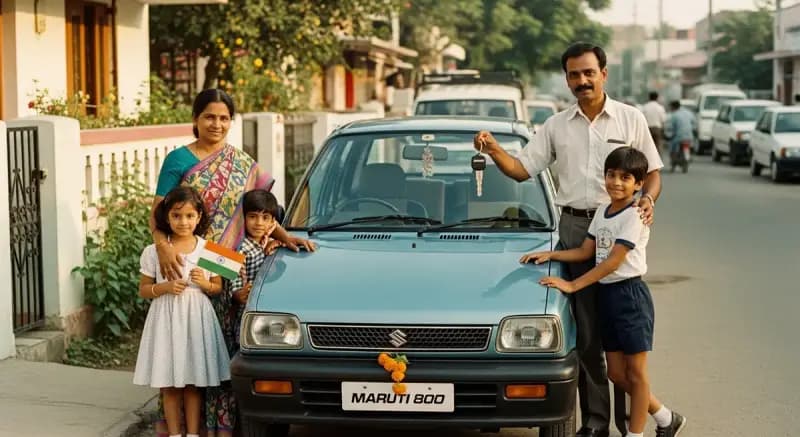
In terms of variants, the lesser impulsive scrapping of classic and iconic models has also added a niche, collectible dimension to used car sales, with customers willing to pay a premium for well-preserved cars that might otherwise be deemed too old by scrappage standards.
Comparison with Competitors
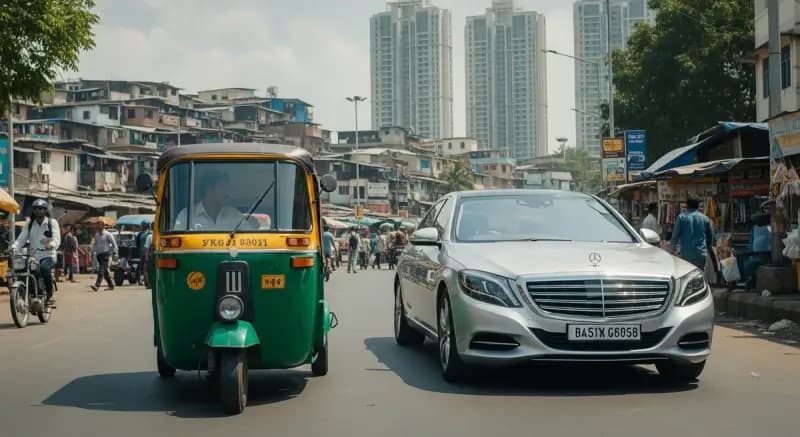
Globally, scrappage schemes have generally indicated a positive shift in promoting cleaner, greener vehicles. When comparing India's approach to international counterparts like the US or Europe, certain parallels and distinctions become evident. Unlike some Western incentives, India's operational focus lies in revoking older, less eco-friendly vehicles and fostering an adaptable market for pre-owned cars.
Although scrappage rules aren't unique to India, the extent and manner of their execution resonate differently, altering the vehicle lifespan calculus and subsequently shaping a hybrid market comprising brand-new, legally modifiable, and collectable pre-owned automobiles.
Pros and Cons
Without a doubt, India’s scrappage rules come with a slew of benefits and challenges. On the plus side, the policy is lauded for its potential in reducing vehicular emissions and bolstering road safety. It also incentivises the purchase of newer cars that supersede older ones in efficiency, technology, and environmental compliance.
Conversely, detractors point out the policy's indirect pressure on consumers who might not have been ready to part with their vehicles. There are concerns regarding the readiness of the infrastructure needed for effective scrappage and recycling. Moreover, the market's response to the policy, in terms of price inflations and availability of desirable used car models, is still under scrutiny.
Should you buy it / Final verdict
If you're pondering a used car purchase amidst the evolving scrappage rules, consider the evolving trends and demands mentioned above. Whether it be for everyday commuting, professional use, or as a classic investment, understanding the new market dynamics can guide a well-informed decision.
For those avidly seeking a reliable means of transport, the used car market remains an abundant resource. Embrace opportunities to leverage these changes to secure a safer, technologically upgraded, and environmentally conscious choice.
Closing paragraph
India's scrappage rules are certainly affecting more than what's immediately visible, fundamentally reshaping the core ideals of vehicle trading and ownership. For a deep dive into how these novel policies affect various automotive spectra, from used cars to sustainable driving, make sure to stay connected with Nxcar, your go-to source for cutting-edge automotive insights and trends.