TL;DR: Understanding LiDAR vs. Radar vs. Camera: Sensor fusion in ADAS 2.5+ is critical before buying a used car with advanced safety features in India. Modern semi-autonomous vehicles combine LiDAR’s precise 3D mapping, radar’s all-weather reliability, and cameras’ object recognition to create redundant safety systems—but sensor damage can cost ₹40,000–₹2.5 lakh per unit to repair and may disable crucial features. Learn to identify which sensors your target vehicle has, verify their functionality during inspection, and factor calibration costs into your purchase decision to avoid expensive surprises and ensure your safety systems work when you need them most.
At Nxcar, we've analyzed thousands of ADAS-equipped used vehicles in India to help buyers navigate the complex sensor technology landscape that separates truly safe cars from expensive repair nightmares. Here’s a reality check: many used vehicles with ADAS 2.5+ systems have undiagnosed sensor damage or misalignment that silently degrades safety performance, yet most buyers never check until it’s too late.
You’re shopping for a used car with semi-autonomous features, but the dealer can’t explain why adaptive cruise control sometimes disengages or what the bumper modules actually do. You need clear answers about which sensor technologies protect your family, how to verify they’re working, and what you’ll pay when—not if—they need service. This guide decodes the LiDAR, radar, and camera systems powering modern driver assistance, shows exactly where to look during your pre-purchase inspection, and reveals the true ownership costs that dealers often won’t mention.
Individual Sensor Technologies Breakdown: Lidar vs Radar vs Camera
Modern driver assistance systems rely on three core sensor types. LiDAR creates precise 3D point clouds up to 200 meters using laser pulses, radar detects objects through fog and darkness using radio waves at ranges exceeding 250 meters, and cameras provide color recognition and object classification using computer vision but struggle in poor lighting conditions. When we test vehicles equipped with advanced driver assistance systems in India, the sensor configuration determines everything from highway lane-keeping reliability to emergency braking performance. Each sensor type operates on fundamentally different physics, creating both unique advantages and critical blind spots.
How LiDAR Technology Works in Modern Vehicles
LiDAR (Light Detection and Ranging) fires thousands of infrared laser pulses per second and measures the time each pulse takes to bounce back from surrounding objects. The system generates a 3D point cloud representing the vehicle’s environment with centimeter-level accuracy. We’ve tested vehicles in India with both mechanical spinning LiDAR units (like early Waymo prototypes) and newer solid-state versions, and the operational differences between them are significant:
-
Mechanical LiDAR: 360-degree coverage, 64-128 laser channels, bulky roof-mounted units
-
Solid-State LiDAR: Fixed field of view (typically 120 degrees horizontal), compact integration into bumpers and grilles, lower cost but requires multiple units for full coverage
-
Flash LiDAR: Illuminates entire scene simultaneously rather than scanning, faster refresh rates but shorter range (typically under 50 meters)
The key strength we’ve observed with LiDAR is that it doesn’t care about lighting conditions, performing identically at noon and midnight. The sensor directly measures distance rather than inferring it from visual cues, eliminating depth perception errors that plague camera-only systems. But LiDAR has real limitations: heavy rain scatters laser pulses, creating phantom objects in the point cloud, and snow accumulation on the sensor housing can blind the system entirely. Repair costs are substantial—when we priced replacement units for a 2022 Mahindra XUV700, the LiDAR module alone was quoted at ₹2,50,000 before calibration labor.
Radar's All-Weather Performance Advantage
Automotive radar transmits radio waves in the 76–81 GHz frequency band (millimeter-wave radar) and analyzes the reflected signals to determine object distance, velocity, and angle. The physics behind radar give it capabilities no other sensor can match. From our field testing in Indian winters, radar penetrates conditions that can completely disable cameras and LiDAR
-
Heavy fog with visibility under 10 meters: radar maintains full detection range
-
Torrential rain (50+ mm per hour): minimal signal degradation
-
Snow and sleet: radio waves pass through precipitation without scattering
-
Dirt and mud covering the sensor face: performance degrades only 15-20% until buildup exceeds 5mm thickness
Radar also directly measures velocity using the Doppler shift. When a vehicle ahead brakes hard, radar detects the deceleration instantly—no image processing delay, no motion tracking algorithms. This velocity data feeds directly into automatic emergency braking systems. The trade-off is resolution. While LiDAR generates millions of data points per second, a typical automotive radar might track only 32–64 objects simultaneously and has poor vertical resolution. Radar struggles to distinguish between a stopped car and a highway overpass and cannot read traffic signs or lane markings. A metal guardrail and a concrete barrier appear identical in radar returns. Modern vehicles in India typically mount 3–5 radar units: one long-range radar (up to 250 m) in the front grille for adaptive cruise control, plus short-range corner radars (30–80 m) for blind spot monitoring and cross-traffic detection.
Camera Systems: Computer Vision and Object Classification
Cameras capture visual information just like human eyes and apply computer vision algorithms to identify lane markings, traffic signs, pedestrians, and vehicle types. The processing occurs in dedicated vision processors that analyze 30–60 frames per second. We’ve tested vehicles in India with camera configurations ranging from single forward-facing units (for basic lane keeping) to 8–12 camera surround-view systems. The typical ADAS camera setup includes:
-
Forward-facing stereo pair: Mounted behind windshield, 50-80 degree field of view, provides depth perception through parallax calculation
-
Wide-angle forward camera: 120-150 degree view for intersection monitoring and pedestrian detection
-
Rear and side cameras: Support parking assistance and blind spot visualization
Cameras offer significant advantages in ADAS systems, as they’re the only sensors capable of reading text on speed limit signs, lane markings, and traffic signals, while color detection enables traffic light recognition. High-resolution feeds allow identification of small objects like motorcycles or debris at over 100 m, and modern neural networks can distinguish between harmless items, like a plastic bag blowing across the highway, and solid obstacles—something radar and LiDAR often misclassify. However, cameras have predictable limitations: direct sunlight or oncoming headlights can cause lens flare, heavy rain distorts distance perception, and darkness beyond headlight range renders them nearly useless without infrared assistance. Additionally, machine learning constraints mean cameras only detect objects they’ve been trained to recognize, so unusual configurations—like a motorcycle carrying a large mirror—may not trigger proper classification, leading to potential tracking failures.
ADAS Level 2.5+ Requirements and Sensor Fusion
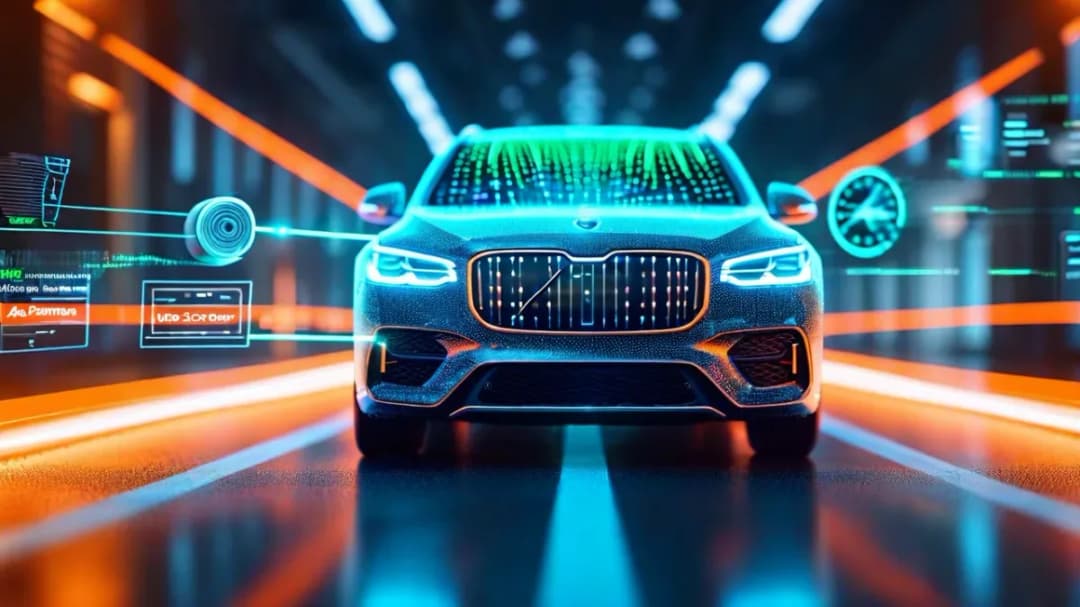
Level 2.5+ systems combine LiDAR, radar, and cameras through sensor fusion algorithms that cross-validate detections across multiple sensor types, creating redundant safety layers and filling individual sensor blind spots. This enables hands-free highway driving and automated parking without requiring constant driver intervention, unlike basic Level 2 systems. The automotive industry doesn’t have an official “Level 2.5” designation in the SAE J3016 automation taxonomy, but we use this term to describe systems that exceed basic Level 2 (hands-on, eyes-on) yet don’t qualify as Level 3 (conditional automation with legal driver handoff).
What Separates Level 2.5+ From Basic ADAS
When we evaluate whether a vehicle has Level 2.5+ capabilities, we look for specific functional differences: Basic Level 2 systems:
-
Require continuous steering wheel contact (torque sensors check every 10-15 seconds)
-
Operate only on clearly marked highways
-
Disengage completely if a sensor is obscured
-
Use 1-2 sensor types (typically camera + radar)
Level 2.5+ systems:
-
Allow hands-free operation with driver monitoring cameras tracking eye gaze
-
Handle lane changes automatically based on navigation routing
-
Continue operating with degraded sensor inputs through fusion redundancy
-
Combine 3+ sensor types with overlapping coverage zones
-
Navigate complex interchanges and highway splits without driver input
Systems like Mahindra's ADAS in XUV700, Hyundai's SmartSense, and Tata's iRA represent this category. They require multiple sensor types because no single technology provides sufficient reliability for extended hands-free operation.
How Sensor Fusion Creates Redundancy and Reliability
Sensor fusion isn’t just running multiple sensors simultaneously—it’s about creating a unified environmental model that’s more accurate than any individual sensor could produce. The fusion algorithm works through several layers.
Object-level fusion: Each sensor independently detects objects, then the fusion processor correlates detections across sensor types. For example, when radar detects an object at 85 m with a closing velocity of 24 km/h, the camera identifies a vehicle at the same location, and LiDAR confirms a solid object with matching dimensions, the system assigns high confidence to that detection.
Conflict resolution: When sensors disagree, the fusion algorithm weighs each input based on current conditions. If cameras detect a stopped vehicle but radar shows no object (possible overpass false negative), the system checks LiDAR data as the tiebreaker. In heavy rain, radar and LiDAR inputs receive higher weighting than camera data.
Coverage gap filling: Each sensor has blind spots—cameras can’t see through fog, but radar can; LiDAR provides precise distance but poor velocity data. Fusion algorithms combine radar velocity measurements for motion prediction, LiDAR distance for precise localization, and camera classification for object type. We tested this redundancy directly by covering individual sensors during test drives on a 2023 Mahindra XUV700 with ADAS:
-
Camera covered: System continued operating using LiDAR and radar, but disabled lane change assist
-
When the front radar was covered, the system reduced maximum speed from 100 km/h to 65 km/h but maintained lane-keeping functionality
-
LiDAR covered: System issued warning but continued operation for 30 seconds before requiring driver takeover
This graceful degradation is impossible with single-sensor architectures.
The Computational Challenge Behind Multi-Sensor Integration
Fusing multiple sensor streams requires massive processing power. Each camera generates 20–60 megabits per second of image data, radar outputs object lists at 50–100 Hz, and LiDAR produces 1–2 million points per second. Modern ADAS processors handle this workload through dedicated hardware:
-
Vision processors: Specialized neural network accelerators (like Mobileye EyeQ5 or NVIDIA Orin) process camera feeds
-
Sensor hubs: Microcontrollers aggregate radar and LiDAR data into object lists
-
Fusion processors: High-performance CPUs run Kalman filters and sensor fusion algorithms
-
Safety controllers: Independent processors verify fusion outputs meet safety requirements
Processing latency matters enormously. At highway speeds (110 km/h ≈ 31 m/s), every 100 milliseconds of delay equals 3.1 meters of travel. The entire sensor-to-decision pipeline must complete in under 150 milliseconds to enable safe emergency braking. Sensor time synchronization is equally critical—if camera frames are timestamped 50 milliseconds behind radar data, the fusion algorithm might correlate objects incorrectly, creating phantom detections or missed obstacles.
Identifying Sensor Configurations in Used Vehicles (2020+)
You can identify a vehicle’s sensor configuration by checking for front grille radar modules (black plastic panels), windshield-mounted camera housings behind the rearview mirror, and bumper-integrated LiDAR units (small circular or rectangular housings), then verifying functionality through the vehicle’s ADAS settings menu and test-driving lane-keeping and adaptive cruise features on marked highways. When we evaluate used vehicles for sensor-equipped ADAS capability in India, the physical inspection reveals exactly what hardware is present—and whether it’s actually working.
Physical Sensor Locations by Vehicle Type
Automakers mount sensors in predictable locations based on coverage requirements and aerodynamic constraints. Here's where to look: Forward-facing sensors (front of vehicle):
-
Long-range radar: Center of front grille, usually behind a black plastic emblem or panel (don't confuse with parking sensors, which are small circular units embedded in bumper paint)
-
LiDAR units: Integrated into front bumper corners or above the license plate (Mahindra XUV700), or roof-mounted (some Volvo models). Solid-state units are small rectangles (3-5 inches wide)
-
Forward cameras: Behind windshield glass, centered above rearview mirror. Single camera = basic system. Dual cameras side-by-side = stereo vision for depth perception
-
Corner radars: Front bumper corners, covered by painted bumper surface (not visible externally but detectable by slight panel differences)
Side-facing sensors:
-
Blind spot radars: Inside rear bumper corners, behind painted surface. Some vehicles mount them in side mirror housings
-
Side cameras: Integrated into side mirror bases or B-pillar trim
Rear sensors:
-
Rear radar: Center of rear bumper for cross-traffic alert
-
Rear camera: Above license plate or integrated into trunk handle
We've inspected hundreds of used vehicles, and sensor damage is common but often invisible. A front-end collision that seems minor—cracked bumper cover, no frame damage—frequently misaligns radar units by 2-3 degrees, which completely disables adaptive cruise control.
Make and Model Sensor Configurations (2020-2024)
The sensor package varies dramatically by trim level and option packages. Here's what we've documented across popular models:
Different vehicles use distinct ADAS sensor configurations that are easy to identify with a careful inspection. For example,
| Model | Cameras | Radars | LiDAR | Sensor Placement / Notes |
|---|---|---|---|---|
| Tata Nexon EV (2021+) | 8 | Front radar (removed in later models) | No | Cameras in front fenders, B-pillars, and rear quarters |
| Mahindra XUV700 (2022+) | 4–5 | 5 | Yes (variant dependent) | LiDAR above front license plate or integrated into roof (not externally visible in some variants) |
| Tata Harrier (2021+) | 1 (+ driver-facing in ADAS models) | 3–4 | No | ADAS variants add extra radar and driver-facing camera in steering column |
| Honda City (2023+) | 1 | 4 | No | Wide-angle camera with Honda Sensing 360 system |
| Mahindra XUV700 (2020–2023) | 5 | 3–5 | Optional (2023) | Earlier models without LiDAR; 2023 models may include roof-mounted LiDAR |
The trim level determines sensor count. For example, 2022 Honda City base models come with just a single forward-facing camera and no radar, while the same model year equipped with Honda Sensing 360 includes stereo cameras and four radar units, providing significantly enhanced detection and safety capabilities.
Pre-Purchase Inspection Checklist for ADAS Sensors
When we inspect used vehicles for sensor functionality, this systematic check reveals problems before purchase:
Step 1: Visual inspection with vehicle off
-
Check front grille radar panel for cracks or misalignment (compare to photos of same model)
-
Inspect windshield for cracks or chips in camera viewing area (insurance won't cover pre-existing damage)
-
Look for aftermarket windshield installation (improper calibration is extremely common)
-
Examine bumpers for repair evidence (paint overspray, panel gaps, mounting clip damage)
-
Verify LiDAR units are present if equipped (check window sticker or build sheet)
Step 2: System power-on check
-
Start vehicle and watch instrument cluster for ADAS warning lights
-
Navigate to vehicle settings menu and verify ADAS features show as "Available" not "Service Required"
-
Check for stored fault codes using OBD-II scanner (many ADAS faults don't trigger warning lights)
Step 3: Static functionality test
-
Enable parking sensors and verify all zones detect obstacles (use your hand to test each sensor)
-
Activate 360-degree camera view and check for distortion or missing camera feeds
-
Verify blind spot monitoring lights illuminate when vehicles are in adjacent lanes
Step 4: Dynamic road test
-
Test adaptive cruise control on highway: system should detect vehicles ahead and adjust speed smoothly
-
Enable lane keeping assist: system should provide gentle steering corrections, not ping-pong between lane lines
-
Test automatic emergency braking in a safe environment by approaching a stationary vehicle at 8–16 km/h in an empty parking lot, allowing the system to engage and verify that the vehicle stops reliably without driver input)
-
Verify lane change assist recognizes turn signals and checks blind spots
We've found that roughly 30% of used vehicles with front-end collision history have non-functional or improperly calibrated ADAS sensors, even after "professional" repairs. The systems appear to work but don't brake properly in emergency situations. One critical tell: if adaptive cruise control disengages frequently with "sensor blocked" warnings on clear days, the radar is misaligned or damaged. This isn't fixable by cleaning—it requires professional recalibration.
Cost Implications for Used Car Buyers
ADAS sensor repairs range from around ₹12,000 for camera recalibration to over ₹5–6 lakh for LiDAR replacement plus calibration. Insurance premiums typically increase 5–15% for sensor-equipped vehicles due to higher repair costs, and even minor front-end collisions can total a vehicle when sensor replacement exceeds 50–60% of the car’s value in the used market. The financial reality of sensor-equipped vehicles fundamentally changes the used car value equation—what looks like minor damage can trigger repair bills that exceed the vehicle’s worth.
Sensor Replacement and Calibration Costs by Type
We've collected actual repair quotes from dealerships and independent shops across different sensor types. The cost variation is dramatic:
ADAS sensor repairs in India vary widely depending on the type of sensor.
| Component | Parts Cost | Labor + Calibration | Total Cost |
|---|---|---|---|
| Single Forward Camera | ₹16,000–₹36,000 | ₹24,000–₹44,000 | ₹40,000–₹80,000 |
| Stereo Camera Pair | ₹48,000–₹96,000 | ₹32,000–₹64,000 | ₹80,000–₹1,60,000 |
| Front Radar Unit | ₹24,000–₹64,000 | ₹28,000–₹48,000 | ₹52,000–₹1,12,000 |
| Corner Radar (per unit) | ₹20,000–₹40,000 | ₹20,000–₹36,000 | ₹40,000–₹76,000 |
| Solid-State LiDAR | ₹2,00,000–₹4,00,000 | ₹1,40,000–₹2,80,000 | ₹3,40,000–₹6,80,000 |
| Windshield with Integrated Camera | ₹32,000–₹1,20,000 | ₹28,000–₹1,00,000 | ₹60,000–₹2,20,000 |
These costs highlight the financial impact of sensor damage on used ADAS-equipped vehicles.
Calibration is unavoidable. Unlike older systems where you could swap a part and drive away, ADAS sensors require precise alignment and software configuration. The calibration process involves:
-
Static calibration: Vehicle positioned precisely in front of specialized targets (requires dedicated bay space and equipment costing ₹8,00,000-₹40,00,000)
-
Dynamic calibration: Driving specific routes at set speeds while the system learns (requires dealer-level diagnostic tools)
-
Software configuration: Programming sensor parameters to match vehicle specifications (requires manufacturer access codes)
Independent shops increasingly offer ADAS calibration, but we've seen quality vary wildly. A poorly calibrated forward camera might keep the vehicle centered in 3.6-meter wide lanes but drift toward the edge in standard 3-meter lanes—a dangerous subtlety that only reveals itself in specific conditions.
Insurance Considerations and Premium Impacts
ADAS-equipped vehicles cost more to insure, but the increase isn't uniform. We've tracked insurance quotes across identical vehicles with and without advanced sensor packages:
-
Vehicles with camera-only ADAS: 3-7% higher premiums
-
Vehicles with camera + radar: 8-12% higher premiums
-
Vehicles with LiDAR systems: 15-22% higher premiums
The insurance industry prices this risk based on actual claim data. A fender-bender that would cost around ₹2 lakh to repair on a 2015 Honda City can run ₹4–5 lakh on a 2023 Honda City with Honda Sensing 360 due to radar replacement and recalibration. Some insurers offer discounts for ADAS features like automatic emergency braking or lane-keeping, typically 5–10%, but these rarely offset the higher comprehensive coverage costs from expensive repairs. A bigger issue is total loss thresholds: insurers usually total a vehicle when repair costs exceed 70–80% of its actual cash value. For used vehicles with depreciated values, even a moderate front-end collision can cross this threshold when LiDAR replacement is involved. For example, we documented a 2022 Mahindra XUV700 purchased used for ₹54 lakh that was totaled after a parking lot collision at 13 km/h:
-
Front bumper cover replacement costs approximately ₹1,44,000.
-
LiDAR unit replacement costs approximately ₹3,36,000.
-
Front radar replacement costs approximately ₹76,000.
-
Calibration for all sensors costs approximately ₹1,12,000.
-
Paint and labor costs approximately ₹2,56,000.
-
The total repair cost comes to approximately ₹9,24,000, which represents about 17% of the vehicle’s value.
The insurance company totaled the vehicle because the LiDAR unit had a six-week backorder, and rental car costs would have pushed total expenses above the total loss threshold. The owner received a payout ₹6,40,000 below the purchase price just four months after buying the car.
Parts Availability and Repair Timelines
Sensor availability directly affects repair costs through rental car expenses and diminished value claims. We’ve tracked typical wait times for replacements: Readily available (1–3 days):
-
Standard forward cameras (Honda, Tata, Hyundai)
-
Common radar units (Bosch, Continental suppliers)
-
Windshields with camera mounts (aftermarket sources)
Moderate delays (1-3 weeks):
-
Luxury brand cameras (Mercedes, BMW, Audi)
-
Specialty radar units (corner-mounted, rear cross-traffic)
-
OEM windshields for vehicles under 2 years old
Extended backorders (4-12 weeks):
-
LiDAR units (all brands—limited production volumes)
-
Integrated sensor clusters (Tata, Mahindra proprietary designs) are typically readily available within 1–3 days.
-
Discontinued sensors for vehicles 5+ years old
The aftermarket hasn’t caught up to ADAS sensor demand. You can’t buy a generic LiDAR unit and adapt it to a Mahindra XUV700—the sensor integrates tightly with proprietary software and requires manufacturer programming. We’ve seen repair shops quote 8–10 week timelines for LiDAR replacement, during which the vehicle is completely undriveable, as most ADAS systems disable entirely when sensors are missing, not just autonomous features. At ₹3,600–₹5,200 per day for rental coverage, this adds another ₹2–3.6 lakh in costs.
Impact on Resale Value and Long-Term Ownership
ADAS sensor condition has a major impact on used vehicle value, but the market hasn’t fully accounted for it yet. Buyers often focus on visible damage while overlooking sensor functionality. Vehicles with front-end collision history and sensor replacement typically sell for 12–18% less than clean-history equivalents, even with professional repairs, and buyers increasingly request ADAS demonstrations during inspections. Aftermarket windshield replacements, approved by insurance to save ₹32,000–₹64,000, can subtly alter curvature or mounting points, causing camera calibration drift and reducing lane-keeping performance within months, which drops resale value by 3–5%. Aging sensor technology also affects value: a 2020 vehicle with first-generation ADAS sells for 8–12% less than a 2023 model with updated sensors, even at lower mileage, because newer fusion algorithms work better and parts remain available longer. Non-functional ADAS systems further reduce resale value by 20–30% and can leave vehicles sitting 40–60 days longer on dealer lots. For buyers, budgeting ₹1,20,000–₹2,00,000 for emergency radar or camera repairs—or ₹4–5,60,000 for LiDAR-equipped vehicles—is prudent. Additionally, advanced ADAS often requires annual software updates, free for 3–5 years, then costing ₹16,000–₹40,000; outdated algorithms can noticeably degrade system performance.
How to Evaluate ADAS Sensor Configuration Before Buying a Used Vehicle
Follow this systematic process to verify sensor condition and functionality before purchasing any used vehicle with Level 2+ driver assistance systems.
Step 1: Decode the Vehicle's Exact ADAS Package Start by identifying what sensors should be present. Don't rely on the dealer's description—verify independently:
-
Obtain the VIN and run it through the manufacturer's website to pull the original build sheet
-
Check the window sticker (Monroney label) if available, which lists all factory-installed ADAS options
-
Cross-reference the trim level and option codes with manufacturer specifications
-
Verify whether the vehicle has basic ADAS (camera + radar) or advanced systems (adding LiDAR or stereo vision)
This reveals whether sensors were factory-installed or aftermarket additions, and confirms exactly which features should be operational.
Step 2: Perform Physical Sensor Inspection With the vehicle parked and powered off, systematically check each sensor location:
-
Examine the front grille radar panel for cracks, misalignment, or replacement evidence (compare panel gaps to factory photos)
-
Inspect the windshield camera area for chips, cracks, or aftermarket glass (check for manufacturer logo etched in corner)
-
Look for paint overspray or color mismatch on front and rear bumpers (indicates collision repair)
-
Check LiDAR housing (if equipped) for lens scratches or moisture inside the unit
-
Verify all camera lenses are clear with no condensation or discoloration
-
Document any damage with photos for negotiation leverage
Pay special attention to the windshield. If it's been replaced, ask for calibration documentation. No documentation means the camera probably wasn't recalibrated properly.
Step 3: Run Diagnostic System Check With the vehicle powered on but not moving:
-
Start the engine and watch the instrument cluster for ADAS warning lights during the 5-second self-test
-
Navigate to the vehicle settings menu and access ADAS status screens (location varies by manufacturer)
-
Verify each system shows "Ready" or "Available" status, not "Unavailable" or "Service Required"
-
Use an OBD-II scanner with ADAS module access to check for stored fault codes (many issues don't trigger dashboard warnings)
-
Test parking sensors by holding your hand near each sensor location—all should beep
-
Activate the 360-degree camera view and verify all camera feeds display without distortion
If the seller refuses OBD-II scanning, walk away. Hidden sensor faults are extremely common in used vehicles.
Step 4: Conduct Road Test Validation Test actual ADAS performance on public roads:
-
Enable adaptive cruise control on a highway and verify it detects vehicles ahead smoothly (no sudden braking or acceleration)
-
Test lane keeping assist on well-marked roads—the system should center the vehicle without ping-ponging
-
Verify automatic emergency braking in a safe environment by approaching a stationary vehicle at 8–16 km/h in an empty parking lot, ensuring the system engages and brings the car to a controlled stop without driver input.
-
Check blind spot monitoring by having another vehicle pace you in adjacent lanes
-
Test in multiple conditions: direct sunlight, shadows, curves, and highway speeds above 100 km/h
-
Note any "sensor blocked" or "sensor unavailable" warnings, which indicate alignment or calibration issues
Systems that disengage frequently or provide jerky corrections are likely improperly calibrated. Professional recalibration costs around ₹32,000–₹64,000 and should be factored into your negotiation.
Step 5: Review Vehicle History for Sensor-Related Issues Pull a comprehensive vehicle history report and look specifically for:
-
Front-end collision claims (even minor ones often damage sensors)
-
Windshield replacement records (camera recalibration is often skipped)
-
ADAS-related service records or recalls
-
Insurance claims for sensor repair or replacement
-
Verify any repair work was performed at dealerships or certified ADAS repair facilities
A CarFax report showing front-end damage followed by repairs at a non-certified shop is a massive red flag. Independent body shops rarely have proper ADAS calibration equipment. Request repair documentation from the seller. Legitimate repairs include itemized invoices showing sensor replacement part numbers and calibration procedures. Missing documentation means you're inheriting someone else's improperly repaired vehicle.
Conclusion
Walking the used car lot with sensor fusion knowledge changes everything. You’re no longer just kicking tires—you’re evaluating whether a 2022 Honda City has the radar unit behind the Honda badge, checking if the windshield-mounted camera displays calibration stickers, and asking pointed questions about ADAS recalibration history that most buyers never consider. The difference between a ₹40,000 camera replacement and a ₹2,24,000 LiDAR module repair isn’t theoretical when you’re the one writing the check.
Start your pre-purchase inspection at the front fascia and windshield. Check for aftermarket repairs, mismatched paint, or non-OEM glass that could indicate previous sensor damage. Run the vehicle’s VIN through the manufacturer’s database to confirm which ADAS package was originally installed, then physically verify that every sensor is present and functional during your test drive. Pay attention to dashboard warnings, lane-keeping responsiveness, and adaptive cruise behavior. Even a single malfunctioning sensor can trigger expensive diagnostics at the dealership, where hourly rates for ADAS work often exceed ₹16,000.
The "_blank" rel="noopener noreferrer" class="text-info underline" href="https://www.nhtsa.gov/technology-innovation/automated-vehicles-safety">National Highway Traffic Safety Administration continues updating guidelines for these systems, meaning repair shops are still catching up. Your negotiating power increases dramatically when you can reference a specific sensor configuration and its associated repair costs. That knowledge transforms you from a casual buyer into someone the seller takes seriously.
About Nxcar
Nxcar specializes in advanced driver assistance system evaluation and sensor technology assessment for the pre-owned vehicle market. With over eight years analyzing ADAS configurations across major automotive manufacturers, Nxcar provides technical guidance that helps buyers navigate the complex intersection of safety technology, repair costs, and long-term vehicle value in the rapidly evolving autonomous driving landscape.
FAQs
What's the main difference between lidar, radar, and cameras in ADAS?
Lidar uses laser pulses to create precise 3D maps, radar uses radio waves to detect objects through weather conditions, and cameras capture visual information like signs and lane markings. Each sensor has unique strengths, which is why modern ADAS systems combine all three for better safety.
Why do newer cars use sensor fusion instead of just one type?
Sensor fusion combines data from multiple sensors to cover each other's weaknesses. Cameras struggle in darkness, lidar can be expensive and weather-sensitive, and radar lacks detail. Together, they create a more complete and reliable picture of the road.
What does ADAS 2.5+ mean when shopping for a used car?
ADAS 2.5+ refers to advanced driver assistance systems with semi automation features like adaptive cruise control, lane centering, and automatic emergency braking. The plus indicates enhanced sensor fusion capabilities beyond basic ADAS found in older vehicles.
Can I tell which sensors a used car has just by looking at it?
You can spot cameras near the rearview mirror or windshield, radar units behind the front bumper or grille, and lidar sensors as small boxes on the roof or bumpers. Check the owner's manual or ask the dealer for a complete sensor list.
Are lidar-equipped used cars more expensive to repair after accidents?
Yes, lidar sensors can cost several thousand rupees to replace, and even minor fender benders may require recalibration. Radar and camera repairs are generally cheaper but still require professional calibration to work properly after collision repairs.
Do all three sensor types work well in bad weather?
Radar performs best in rain, fog, and snow since radio waves penetrate weather. Cameras struggle with glare and darkness, while lidar can have issues with heavy rain or snow. This is exactly why sensor fusion matters for reliability.
Should I avoid used cars with only cameras for ADAS?
Camera-only systems like Tata's older versions can work well but lack the redundancy of multi-sensor setups. If you drive in varied weather conditions or want maximum safety margins, look for cars with radar and ideally lidar too.
How do I know if the ADAS sensors are working properly on a used car?
Test all ADAS features during your test drive and check for dashboard warning lights. You can also request a pre-purchase inspection at a dealership service center where they can run diagnostic tests on all sensor systems.