Petrol pumps were once purely functional, tank fills, quick transactions, departure. Today, major brands transform fuel stations into "experience centers" with convenience stores, cafes, ATMs, and rest areas. This evolution reflects changing consumer expectations and competitive pressures.
The Functional Era
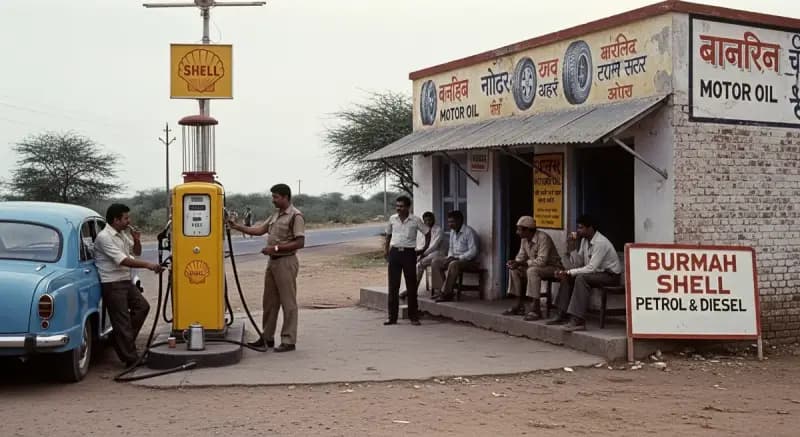
Traditional petrol pumps offered fuel and perhaps engine oil. Attendants (India never embraced self-service) provided windscreen cleaning and tire inflation. The interaction was purely transactional, fill, pay, leave.
Margins on fuel are slim. Station operators made modest returns on high volumes with minimal capital investment.
The Retail Revolution
International oil companies introduced convenience retail concepts in the 1990s. Shell, Exxon, and BP recognized that captive customers, waiting while tanks filled, were retail opportunities. Convenience stores selling marked-up snacks and drinks became profit centers.
Indian operators followed. Reliance, Indian Oil, and Bharat Petroleum developed branded retail formats. HP's "Club HP" and Indian Oil's "Xtracar" added services beyond fuel.
Modern Expectations
Highway stations now offer extensive amenities: multi-brand food courts, clean restrooms, lounges, ATMs, tire services, and vehicle washes. Some include hotels for overnight travelers. The fuel purchase becomes incidental to the consumption experience.
Economic Model
Non-fuel revenue now contributes significantly to station profitability. A customer buying coffee and snacks may generate more margin than fuel sold. Land value at prime locations justifies extensive development.
Future Trajectory
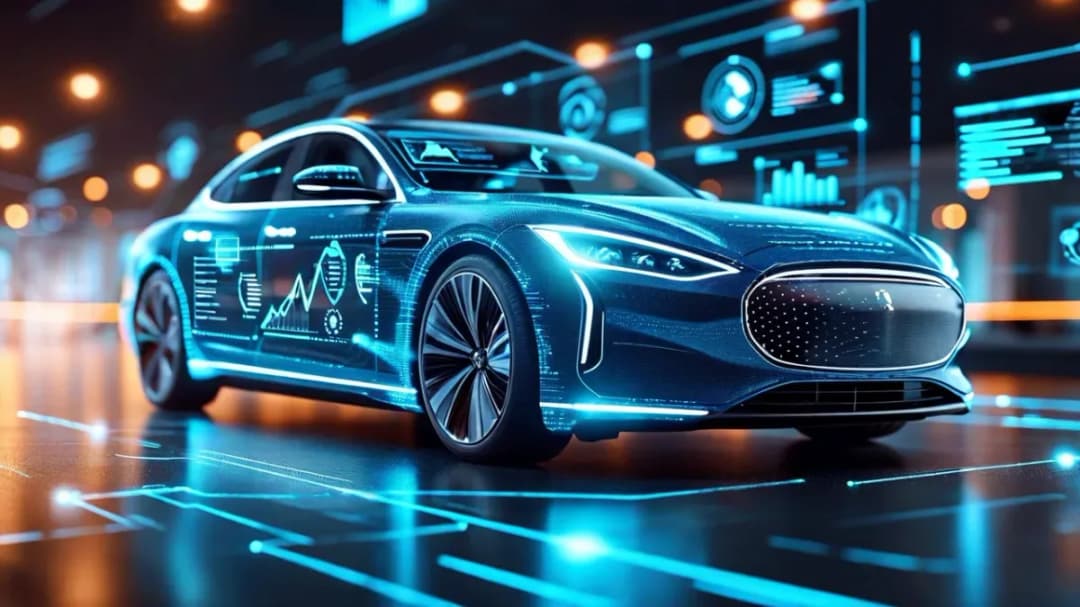
Electric vehicles will transform fuel stations. Charging times (even fast charging) exceed fueling times, requiring extended amenities. Charging hubs may become lounges, workspaces, or entertainment centers, places to spend time rather than endure it.
The petrol pump's transformation from functional necessity to experience center anticipates this future.
Preservation and Memory
As automotive technology evolves rapidly, preserving heritage becomes increasingly important. Museums, collector communities, and documentation efforts ensure that future generations can connect with automotive history. The stories embedded in these machines deserve to be remembered and celebrated.
Cultural Significance
Cars have always been more than transportation in India, they're status symbols, family members, and markers of progress. Understanding this cultural context enriches appreciation for automotive heritage. The emotional connections people form with their vehicles transcend rational economic calculations.
The Nxcar team loves nothing more than a good car story. This article captures the magic that makes automobiles timeless.