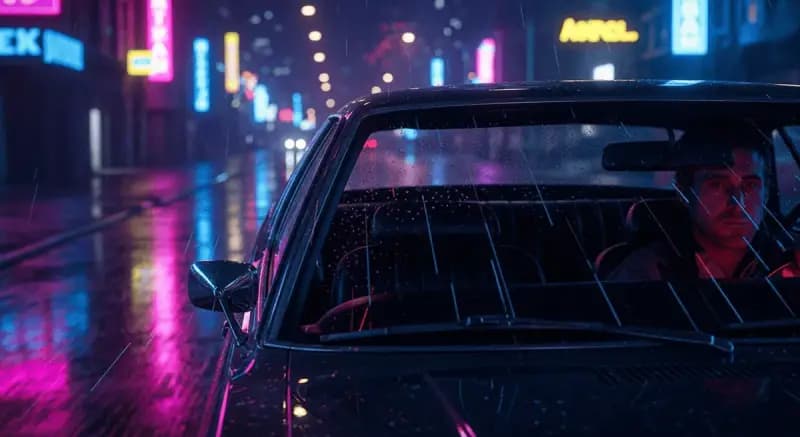
In the early 2010s, a musical and visual aesthetic emerged from internet subcultures: vaporwave. Characterized by slowed-down 1980s smooth jazz, Roman busts, Japanese text, and saturated sunset colors, vaporwave was simultaneously nostalgia and critique, longing for a consumerist past while commenting on its emptiness. Central to its visual vocabulary: vintage Japanese automobiles. Here's how cars became symbols of manufactured nostalgia.
The Iconography
Vaporwave imagery consistently features specific vehicles: the 1989 Toyota MR2, the Nissan 300ZX, the Mazda RX-7 FC, the Acura NSX. These cars share characteristics, wedge shapes, pop-up headlights, Japanese origin, that locate them firmly in late 1980s prosperity. They appear in front of neon grids, sunset gradients, and palm tree silhouettes, always suggesting a future that never quite arrived.
The choice is deliberate. These were the aspirational objects of 1980s consumer culture, the rewards promised for participation in capitalism's prosperity. In vaporwave, they appear decontextualized, emptied of utility, pure aesthetic objects divorced from actual driving.
Related Reading
Petrol vs Diesel Used Cars: Which Makes More Sense in 2026?Critique and Longing
Vaporwave's relationship to its source material is complicated. It simultaneously mocks and mourns consumerism. The cars represent a world where technology promised freedom, where sleek design signified progress, where ownership meant achievement. By presenting them in degraded, manipulated forms, vaporwave acknowledges that these promises were hollow, but also that the longing remains.
For younger audiences who never experienced 1980s prosperity, vaporwave offers access to a aestheticized version of their parents' aspirations. The cars become totems of a simpler time that never actually was simple.
Impact on Car Culture
Vaporwave's aesthetic influence has been substantial. The retrowave/synthwave music scenes adopted similar visual language, featuring classic JDM cars prominently. Social media accounts dedicated to "Japanese domestic market" aesthetics exploded in popularity, many using vaporwave-adjacent imagery.
This contributed to rising prices for the featured vehicles. An RX-7 FC that cost $5,000 in 2010 now commands $25,000+. The NSX has tripled in value. Demand from collectors who encountered these cars through internet aesthetics rather than actual 1980s experience drives the market.
Related Reading
Used Car Inspection Checklist in India: Avoid Costly MistakesThe Authentic Inauthentic
Vaporwave cars represent something genuinely new: automotive appreciation divorced from driving. These vehicles are valued for their appearance, their vibes, their position in a cultural imaginary, not for how they perform on roads. This is simultaneously postmodern (surface over substance) and oddly pure (aesthetic appreciation for its own sake).
The cars have become art objects. That they were once transportation seems almost incidental.
Cultural Significance
Cars have always been more than transportation in India, they're status symbols, family members, and markers of progress. Understanding this cultural context enriches appreciation for automotive heritage. The emotional connections people form with their vehicles transcend rational economic calculations.
Generational Perspectives
Different generations relate to automotive culture differently. Those who remember the scarcity of the license raj era view car ownership through a different lens than millennials who've known only market abundance. These varying perspectives create rich narratives around automotive history and future directions.
Regional Variations
India's diverse regions each have unique automotive cultures. From the decorated trucks of Punjab to the vintage car rallies of Mumbai to the modified vehicles of Chennai, local traditions shape how communities relate to automobiles. This diversity is part of India's rich automotive heritage.
Preservation and Memory
As automotive technology evolves rapidly, preserving heritage becomes increasingly important. Museums, collector communities, and documentation efforts ensure that future generations can connect with automotive history. The stories embedded in these machines deserve to be remembered and celebrated.
Curated by Nxcar with nostalgia and love. Cars aren't just about getting somewhere , they're about the journey.