
Introduction
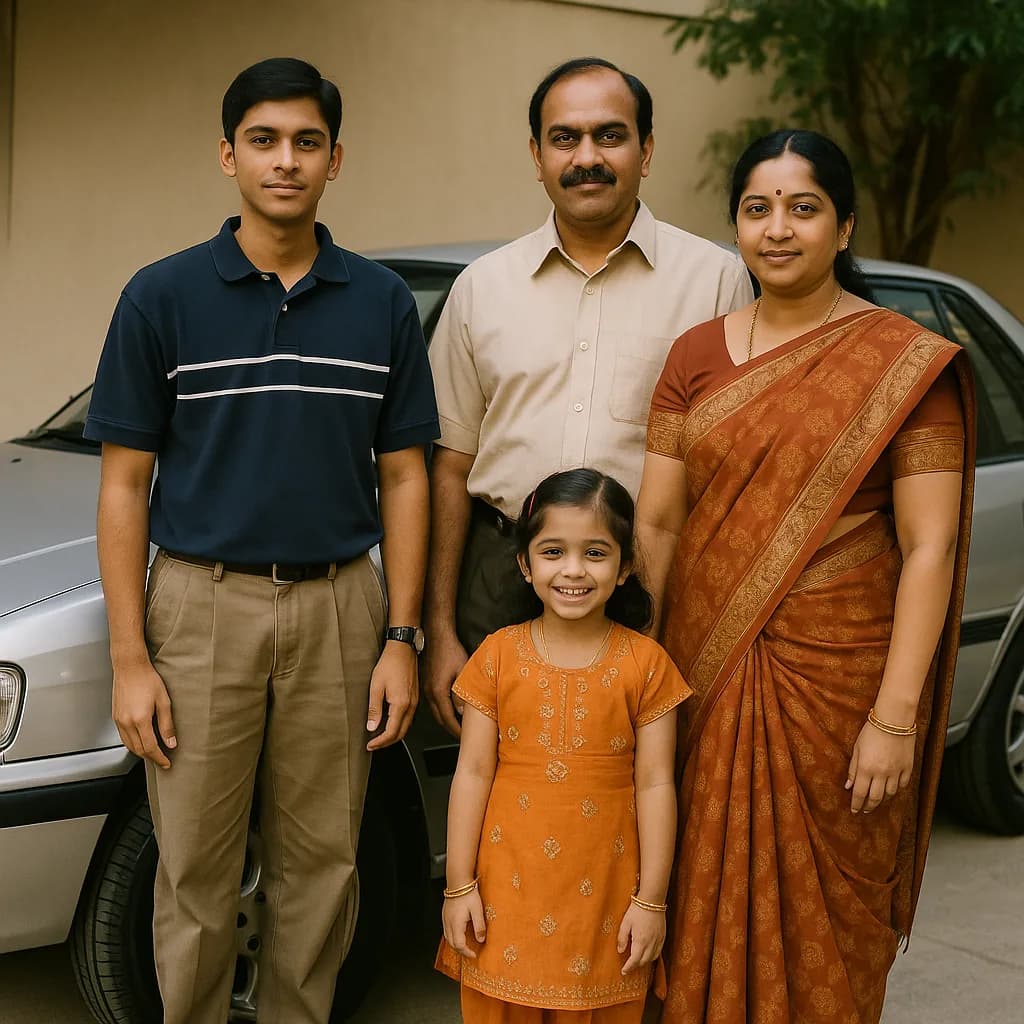
The early 2000s ushered in a transformation in the Indian automotive scene. The burgeoning middle class began eyeing cars not just as a means of transportation, but as symbols of their aspirations and dreams. During this exciting era, several vehicles became entrenched in the fabric of Indian family life, earning iconic statuses along the way. These cars were chosen not only for their practicalities but also for the tangible emotional connections they nurtured.
This period was characterised by a blend of innovation, design aesthetics, and an increasing emphasis on safety. Car manufacturers around the world identified the demands of Indian families and tailored their offerings to suit the unique tastes and preferences of this dynamic market. Let us take a nostalgic journey through the family cars that defined the 2000s in India.
Design and Exterior
In the 2000s, car design took a significant leap forward, evolving from the boxy, unassuming shapes of the '90s to more modern and dynamic profiles. The Hyundai Santro, with its tall-boy design, was a trendsetter. Its upright stance and generous clearances made it perfect for Indian roads, while also introducing smoother lines and updated aesthetics.
The Maruti Suzuki Alto, another staple, blended functionality with compact sophistication. Its sleek yet unpretentious design was practical in crowded urban environments. Meanwhile, the Tata Indica offered a robust structure with a touch of elegance, giving it a distinct presence. Unlike the SUVs of today, the Mahindra Scorpio made a bold statement with its muscular design and commanding road presence, appealing to those who wanted style along with space and power.
Interior and Features
Inside these emblematic vehicles, the interiors were a blend of practicality and emerging comfort features, reflecting the needs of growing Indian families. The Maruti Suzuki Wagon R, with its high roof and spacious cabin, offered an airy feel, making it a favourite for long family travels. Features like power steering and front power windows were bonuses that customers highly appreciated.
The Hyundai Santro stood out with its packed-to-capacity smart layout, offering ample headroom, a generous boot and even a factory-fitted stereo, which was quite a novelty back then. Similarly, Tata Indica, known for its roominess, was loved for its thoughtful, utilitarian design with fabric upholstered seating and an efficient air conditioning system.
The Mahindra Scorpio, however, redefined luxury in a family vehicle. Equipped with plush seating, air conditioning and an innovative in-built music system, it catered to a demographic longing for SUVs with a touch of affluence.
Engine and Performance
When it comes to performance, these vehicles catered to varied expectations. The Maruti Suzuki Alto, powered by its reliable F8D engine, showcased excellent city fuel efficiency, making it a cost-effective choice for the typical Indian family. The Hyundai Santro, with its Epsilon engine, matched performance with practicality, offering a peppy drive combined with superior mileage.
For families going big, Tata Indica’s diesel engine offered an ideal balance of power and economy, particularly endearing itself to long-distance travellers. Mahindra's Scorpio presented another dimension entirely, as its formidable mHawk engine delivered not just power but an exhilarating driving experience, perfect for adventure-seeking families.
Safety Features
Safety became paramount as the millennium unfolded. The Maruti Suzuki Wagon R, being a family car staple, introduced features like crumple zones and side impact beams which were a breakthrough then. The Hyundai Santro offered a reinforced body structure and optional ABS in later models, elevating the safety standards of hatchbacks.
The Tata Indica came with structural reinforcements that mostly appealed to budget-conscious families looking for a safety blend. With the Mahindra Scorpio, safety was taken up a notch, offering passenger airbags and ABS, a boon for SUV enthusiasts seeking peace of mind on highways and unpredictable terrains.
Price and Variants
Pricing undoubtedly played a pivotal role in shaping these vehicles’ popularity. The Maruti Suzuki Alto remained a budget-friendly option, with variants starting from around Rs. 2 lakh, making it accessible to a vast demographic. The Hyundai Santro, although slightly more premium, justified its price with superior features and reliability.
By offering numerous trims, Tata Indica provided choices that accommodated various budget levels, making it immensely popular. The higher-priced Mahindra Scorpio however, appealed to elite families desiring upgraded features, offering a slew of variants designed to appease the adventurous spirit of its users.
Comparison with Competitors
The crowded hatchback market had formidable competitors. Mitsubishi's Lancer and Ford's Ikon, with their stylish designs, offered more significant value propositions to the evolving Indian car buyer. However, the Maruti Suzuki 800, with its unbeatable mileage and value for money, continued to withstand competition and maintain its lasting appeal.
In the SUV realm, the Tata Safari presented a tough competitor to the Mahindra Scorpio, though Scorpio’s robust styling and powertrain often garnered more fans. Yet, every model had its own distinct appeal and fan base, illustrating the rich diversity of choices available in the 2000s.
Pros and Cons
Each of these cars boasted a unique set of advantages. The Maruti Suzuki Alto, with its compact design and efficiency, was the perfect city car. However, its cabin concluded limited comfort for larger families.
The Hyundai Santro's excellent drivability and durable quality made it easy to own, though some felt it could perform better in terms of ride comfort. Meanwhile, Tata Indica, loved for its spaciousness and diesel reliability, sometimes lacked in refinement compared to its rivals.
The Mahindra Scorpio, with its rugged appeal and powerful engine, found enthusiasts who appreciated its off-road capabilities but found its city manoeuvring somewhat challenging due to its size.
Should You Buy It / Final Verdict
These cars are no longer just machines; they represent a slice of life for millions of Indian families who grew up with or aspired to own one of these models. If you are a fan of nostalgia and seek a vehicle that was once at the heart of India's automotive revolution, these cars hold timeless charm.
While they may have been eclipsed by modern innovations and technologies today, their foundational role in making automobility mainstream cannot be overlooked. They served as stepping stones toward more advanced models that we see on Indian roads today.
As we fondly look back on these cherished vehicles of the 2000s, their contributions to the Indian automotive journey are undeniable. They are not just cars; they are carriers of memory, progress, and stories. For more insights into the world's vehicles and their intriguing history, stay tuned to Nxcar, your companion in exploring India's dynamic automotive narrative.