Introduction
If there's one thing that connects generations across the globe, it's the dream of owning a personal car. For Indian millennials, growing up in the late 1990s and early 2000s, cars were more than just a mode of transportation, they symbolised freedom, style, and success. Back in the day, a set of wheels was both an object of aspiration and a tangible goal to work towards.
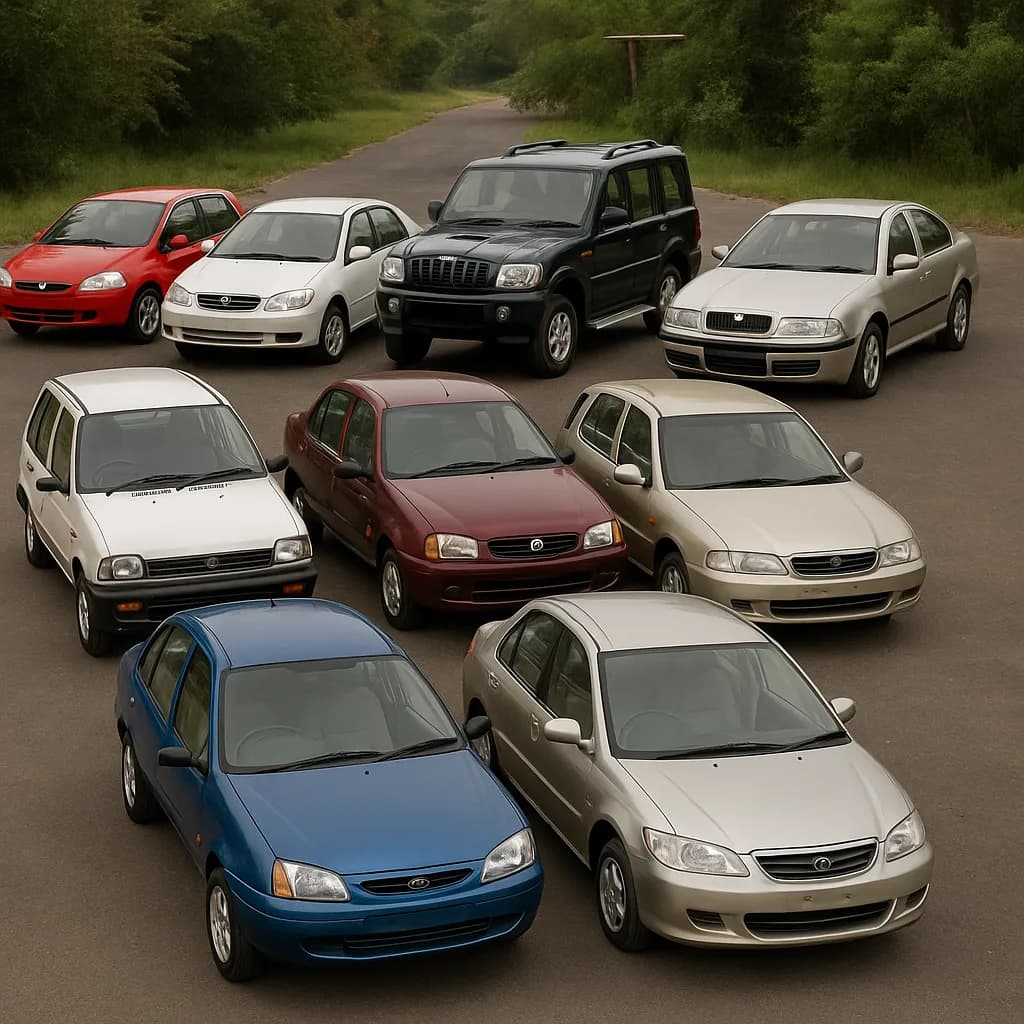
This article takes a trip down memory lane, revisiting the cars that every Indian millennial once dreamed of driving. Whether it was the sporty profile of a Honda City or the robust feel of a Tata Safari, these vehicles weren't just popular, they were the icons of a generation.
1. Maruti Suzuki 800
The Maruti Suzuki 800 is a classic that holds a special place in the hearts of many. Launched in 1983, it was a revolution in the Indian automotive industry. With its compact design and efficient performance, it became the quintessential family car in the 90s and early 2000s.
The 800's success can be attributed to its affordability and reliability. Its simple design and easy maintenance made it a favourite among first-time car buyers. Many families have stories to tell about the first road trip taken in this iconic vehicle.
Legacy and Impact
The Maruti Suzuki 800 was not just a car, it was a movement that brought personal mobility within reach of millions of Indians. It paved the way for modern hatchbacks and set the benchmark for future cars to come.
2. Hyundai Santro
The Hyundai Santro made its debut in the Indian market in 1998 and quickly became a household name. Known for its tall-boy design, it offered a spacious cabin and excellent visibility, making it a practical choice for urban families.
With a peppy engine and innovative features such as power steering, the Santro was well ahead of its time and helped establish Hyundai as a significant player in the Indian automotive industry.
Stylish and Economical
One of the key selling points of the Santro was its fuel efficiency without compromising on performance. It became the car to beat in the hatchback segment and a worthy competitor to the Maruti Suzuki Zen.
3. Honda City
The Honda City needs no introduction. First introduced in 1998, it emerged as a status symbol among the rising Indian middle class. Known for its elegant design and robust engine, the City was the epitome of luxury and performance.
Over the years, the City has consistently been lauded for its impressive build quality and advanced features. It became the car of choice for those who valued both style and substance, offering a plush interior and a smooth driving experience.
Innovations and Appeal
The Honda City set itself apart with its modern design and attention to detail. The introduction of features like sunroofs and automatic transmissions in later models kept it a cut above the competition, making it a must-have for car enthusiasts.
4. Tata Safari
For those who dreamt of adventure, the Tata Safari was the ultimate choice. Launched in 1998, it was India's first fully indigenous SUV, capturing the wild and untamed spirit of road exploration.
The Safari was revered for its rugged build and commanding road presence. It offered a spacious interior, suitable for long journeys, and was reliable even on the toughest terrains.
An SUV with a Purpose
The Safari became synonymous with off-road capability. Its launch marked Tata Motors' foray into the SUV segment and left a lasting legacy that still influences the design and engineering of modern Tata cars.
5. Maruti Suzuki Zen
Before city cars and compact hatchbacks were the norm, there was the Maruti Suzuki Zen. Known for its zippy performance and aerodynamic styling, the Zen appealed to young car buyers looking for a sporty yet practical vehicle.
Introduced in 1993, the Zen was the car that offered everything from nimble handling to great mileage, all wrapped in a stylish package, making it a popular choice across generations.
The Zen Factor
The Zen stood out from its competitors with its vibrant colours and compact size. It was one of the first cars to symbolise a shift towards a youthful, dynamic approach in the automotive industry.
6. Ford Ikon
The Ford Ikon, often advertised as the 'Josh Machine', was introduced in India in the early 2000s. With its sporty look and robust performance, it was a car that every young professional dreamt of owning.
Known for its powerful engine and superior road handling, the Ikon left a mark as the go-to vehicle for those seeking a little thrill in their daily rides.
A Dash of Excitement
The Ikon's aggressive styling and chic design were appealing to drivers who wanted more than just a means of transport. It was the car where practicality met passion.
7. Skoda Octavia
The Skoda Octavia introduced Indian car enthusiasts to European elegance and refinement. Launched in 2001, it quickly became a popular choice for those looking for a premium experience without the premium price tag.
With a solid build and high-quality interiors, the Octavia offered a driving experience that was both safe and luxurious. Its powerful engine was complemented by a clean, understated design that exuded sophistication.
European Sophistication
The Skoda Octavia's prominence in the Indian market helped bridge the gap between affordability and luxury. It proved that owning a European car in India was no longer just a dream but an attainable reality.
8. Mahindra Scorpio
Mahindra Scorpio revolutionised the SUV sector in India. Launched in 2002, it showcased Mahindra’s engineering prowess and soon became the favoured SUV among car enthusiasts who wanted a bold and commanding presence on the road.
With a robust engine and strong design, the Scorpio became a symbol of power and endurance, well-suited for India's challenging terrains.
Domineering and Durable
The Scorpio set a new precedent for SUVs in the Indian market, providing an option that was as utilitarian as it was stylish, appealing to both urban and rural audiences alike.
9. Toyota Corolla
The Toyota Corolla's presence in India cemented its status as a dependable and stylish sedan. Known globally for its reliability, the Corolla won the hearts of those looking for a luxury sedan without complications.
Introduced in the early 2000s, the Corolla was all about understated elegance, providing a ride that was smooth and efficient while keeping maintenance to a minimum.
Reliable and Respected
The Toyota Corolla was often the choice of business professionals, balancing practicality with a dash of prestige, and offering everything that a family or a professional could want in terms of comfort and quality.
10. Fiat Palio
The Fiat Palio brought a slice of Italian flair to Indian roads when it was introduced in 2001. With its striking design and robust performance, it quickly gained popularity among those who valued style and substance.
The Palio attracted enthusiasts with its solid build and spirited drive, introducing various features that were novel to the Indian car market at the time.
Italian Charisma
Despite heavy competition, the Palio managed to create a niche for itself with its European design aesthetic and sporty appeal, leaving a lasting impression on Indian motoring history.
Pros and Cons of These Dream Cars
Each of these cars came with their unique set of pros and cons. For instance, the Maruti Suzuki 800 was incredibly reliable but lacked modern features. Similarly, while the Honda City was an epitome of luxury, it was priced beyond the reach of many middle-class buyers.
Cars like the Tata Safari and Mahindra Scorpio brought in durability and road presence but were less fuel-efficient. However, each vehicle had something special to offer, making them worthy of their iconic status among Indian millennials.
Final Verdict: Should You Own One Today?
While some of these dream cars of the past have been discontinued, their legacy continues. For those who wish to own a piece of automotive history, finding a well-maintained used model could be both exciting and nostalgic.
If you are drawn to the charm of vintage cars with a modern twist, you might find joy in owning vehicles like the Honda City or Mahindra Scorpio, which still command respect and admiration on the roads.
Conclusion
In conclusion, these ten cars not only defined an era but also shaped the aspirations and lifestyles of countless Indian millennials. Each car came with its own story, its own legacy, and left an indelible mark on Indian automotive history.
Thank you for joining us on this nostalgic journey. For more such engaging content and insights into the world of automobiles, stay connected with Nxcar, your favourite destination for all things automotive.