
Introduction
In the bustling automotive market, used cars offer a persuasive alternative to their brand-new counterparts. Whether you're an enthusiast seeking a classic or simply hunting for a practical vehicle, used cars can provide substantial savings. However, buying a used car is not just about finding the lowest price; it's about ensuring value for money and peace of mind.
The used car market can, admittedly, be a labyrinth of uncertainties. A shiny exterior doesn't always equate to a mechanically sound vehicle. To unravel this maze, buyers need to arm themselves with essential knowledge to gauge the true value of a used car. This comprehensive guide will help you scrutinise a used car effectively, ensuring your purchase is worthwhile.
Design and Exterior
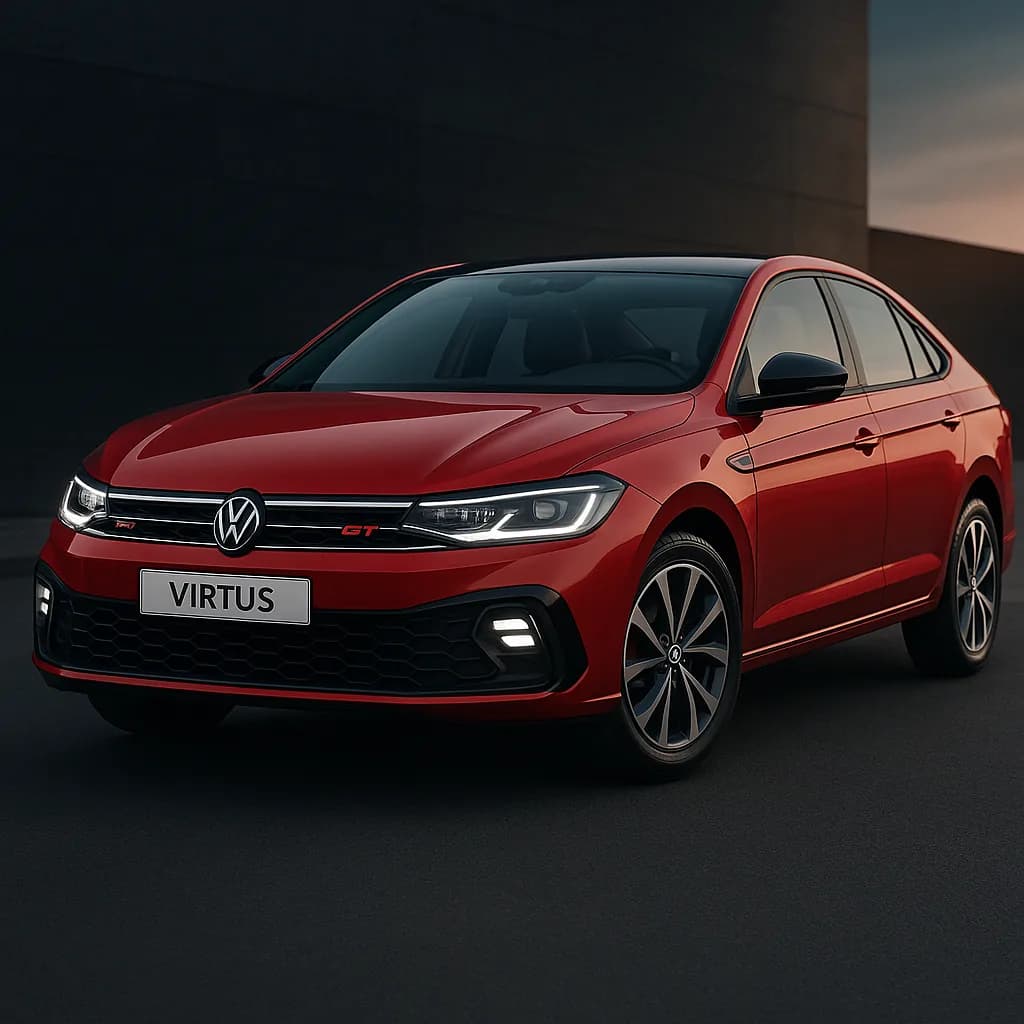
First impressions often hinge on the car's design and exterior. While appearance is subjective, ensuring the exterior reflects its inherent quality is not. Scrutinising the car's body condition can reveal a lot about its history and how it has been treated.
Begin with a close look at the paintwork. Dull paint, uneven colouring, or mismatched panels might indicate the car has had significant bodywork, perhaps due to collision repairs. Look out for rust, dents, and scratches, especially in vulnerable areas like wheel arches and the undersides of doors.
Examine the condition of the windows and lights. Any cracks or fogging in these areas could lead to costly repairs down the line. Do not hesitate to test the wipers, indicators, and headlights. Each component should function smoothly without hesitation.
Wheels and Tyres
The wheels and tyres also speak volumes about a vehicle's condition. Uniform tyre wear suggests proper alignment, while uneven wear may indicate alignment issues or even suspension problems. Check the tread depth, and remember that new tyres can be an expense if they are nearing the legal minimum tread depth.
Interior and Features
The interior of a used car should feel welcoming and intact, like a comfortable living room. A close inspection of the cabin can reveal how well past owners have cared for the vehicle and whether or not it has been well maintained.
Begin by examining the upholstery and dashboard. Look for signs of excessive wear, tears, or stains on seats and floor mats. Such damage can suggest a tough life or neglect. Don't shy away from getting a little tactile; press all buttons, knobs, and switches to ensure they function correctly.
Modern cars come with a variety of features. Check the air conditioning, infotainment system, and any integrated navigation tools. Ensuring these systems work properly will save you big repair bills later. Many cars also come with connectivity features like Bluetooth or hotspot capabilities; verify these as well.
Storage and Space
Consider the storage space and how it aligns with your needs. Are the rear seats easily foldable? Is the boot spacious enough for your requirements? Assessing these aspects during a test drive can help you evaluate if the vehicle suits your lifestyle.
Engine and Performance
While the aesthetic appeal is essential, the mechanical aspects of a used car are what ultimately determine its longevity and reliability. The engine, being the heart of the car, requires thorough inspection, ideally by a professional mechanic if you're uncertain.
Open the hood and give it a close inspection. Look for any fluid leaks, worn belts, or hoses. Strange noises coming from the engine while it's running can indicate internal damage.
Check the vehicle's oil levels and quality; fresh oil is a positive sign of proper maintenance. A lack of regular servicing can lead to gradual engine damage, significantly affecting the vehicle's value and performance.
Taking for a Test Drive
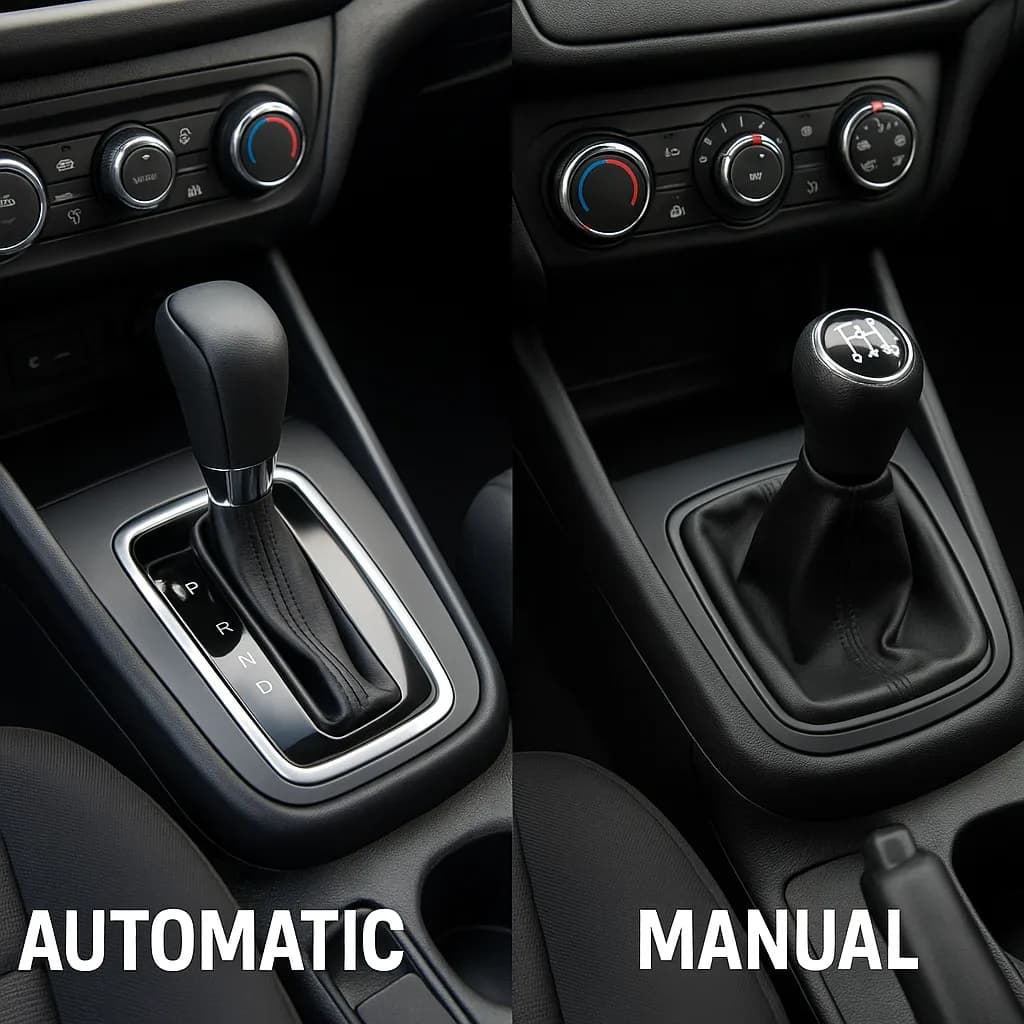
If possible, always take the used car for a test drive. This drive is your opportunity to feel how the car handles on the road. Pay attention to every detail, from the smoothness of gear shifts to the responsiveness of the brakes.
Safety Features
Safety should never be compromised, even when buying a used car. Check for essential safety features such as airbags, seat belts, and ABS systems. Each feature should be fully functional and free from recalls or faults.
As technology in cars evolves, newer safety features have become available, such as lane-keeping assist, blind-spot monitoring, and adaptive cruise control. Verify the presence and functioning of these features as they contribute significantly to the car's overall safety and value.
A quick check with the car's VIN (Vehicle Identification Number) through various online databases can also reveal its safety and recall history.
Price and Variants
The price of a used car can range significantly, not just between different models but also between variants of the same model. Understanding why these prices vary can aid you in making an informed decision.
Research the market value for the specific model, trim, and year. Resources like Kelley Blue Book or similar automotive valuation sites provide guidance on what you should expect to pay for the used car you are considering.
The car’s maintenance history also affects its price. A well-maintained vehicle with a complete service history can demand a higher price but usually means fewer looming repair issues.
Negotiating the Price
Price negotiation is an art. Arm yourself with all the information you gathered and be ready to question any discrepancies between the seller's asking price and your research findings. Be prepared to walk away if the deal feels off; there are usually numerous fish in the used car sea.
Comparison with Competitors
A wise buyer always compares potential purchases with similar options available in the market. By comparing features, price, and value retention of similar models, you can ensure you're truly getting the best deal.
Look for differences in warranty offers, resale values, and repair costs between models. Such insights can largely impact your decision.
Don’t hesitate to browse online forums for insights from current owners of the models you’re interested in. They can provide invaluable feedback on the pros and cons you may not have considered.
Pros and Cons
Buying a used car has its share of advantages and disadvantages. A clear understanding of these can help set realistic expectations.
Pros often include a lower purchase price, slower depreciation, and potentially lower insurance premiums. A diverse market offers a myriad of options to buyers, allowing them to find just the right combination of price and features.
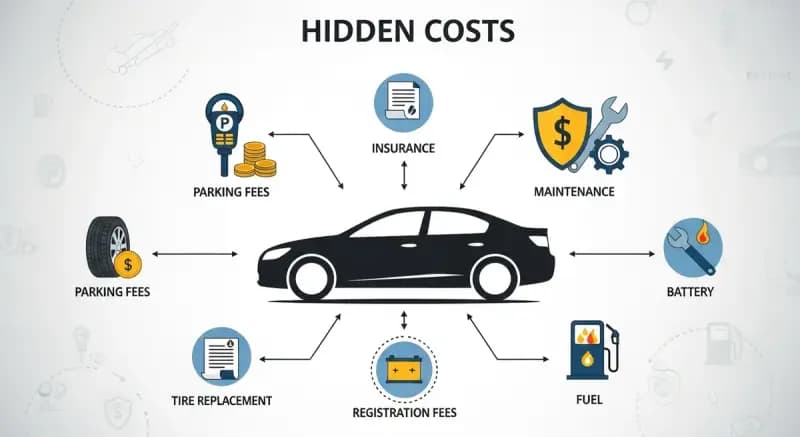
On the downside, used cars can come with a history of wear and tear, possible hidden mechanical issues, and, potentially, higher long-term maintenance costs compared to new cars.
Should You Buy It / Final Verdict
After weighing all the above factors, you need to decide if the used car in question meets your needs in terms of value, budget, and long-term reliability. Remember, no used car is perfect, but a well-maintained one can serve you loyally for many years.
Trust your instincts, verify the facts, and ensure the vehicle aligns with your lifestyle and financial plans. If everything checks out and you're satisfied with your assessment, a used car can be an excellent investment.
Closing Paragraph
Determining if a used car is worth its price is both an art and a science, requiring due diligence and an informed perspective. By focusing on the critical aspects of design, mechanics, and market value, you can drive away with confidence in your investment. Remember, for more automotive insights and expert tips, stay tuned to Nxcar, your ultimate guide in the labyrinth of automotive choices.