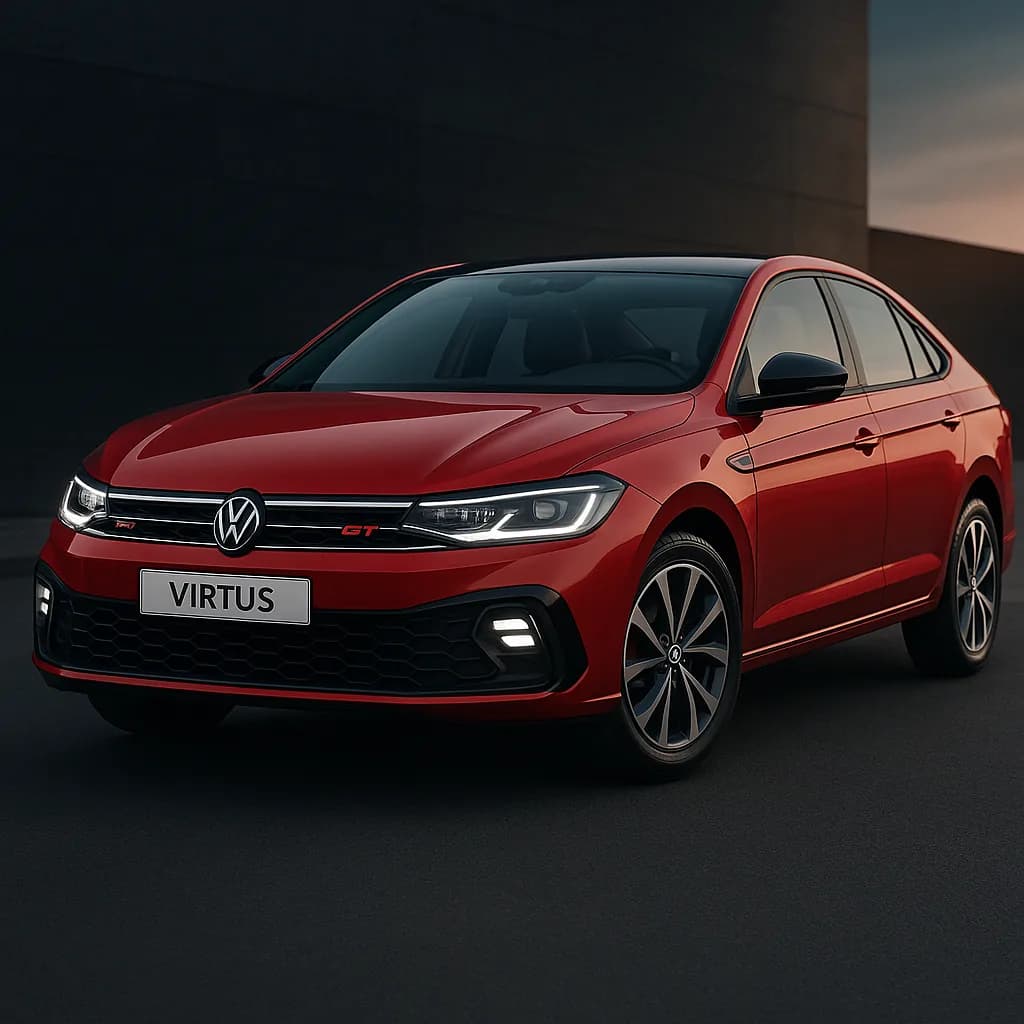

Introduction
In a world increasingly enamoured with automated conveniences and driver-assist technologies, the manual transmission car seems like a relic of the past everywhere but in India. Despite a growing shift towards automatic vehicles in the international market, India remains a stronghold for manual cars. What is it about manually changing gears that still captivates so many Indian drivers?
While some may argue that the love for manual transmission is fading, the numbers tell a different story. In 2023, the majority of cars sold in India are still equipped with manual gearboxes. This article delves deep into the factors behind this affection, examining the cultural, economic, and technical aspects that sustain this enduring romance.
Design and Exterior
Manual cars, often perceived as more 'mechanical', offer a design philosophy rooted in a bygone era of motoring. Many enthusiasts appreciate the minimalist aesthetic which prioritises function over excessive form. The design of manual cars reflects simplicity and purpose, often adorned with fewer frills than their automatic counterparts.
Manufacturers maintaining manual options pay meticulous attention to crafting exteriors that complement the driving experience. While trends in car design evolve, the silhouette of a classic sedan or a robust SUV equipped with a manual transmission often mirrors the driver's persona: straightforward, reliable, and competent.
Moreover, the availability of manual options across various car segments, from compact hatchbacks to brawny SUVs, ensures that there is a manual car to suit every style and usage requirement. This variety in design allows manual enthusiasts to choose a vehicle that truly matches their taste and lifestyle.
Interior and Features
The interior of a manual car typically features fewer automated comforts, appealing to purists who value a clutter-free environment. Controls like the gear stick and clutch pedal add a tactile, engaging aspect to the driving experience that many find irreplaceable. The layout is usually more driver-centric, facilitating a seamless interface with the vehicle.
Though typically associated with simplicity, modern manual cars are not devoid of contemporary features. Air conditioning, advanced sound systems, and support for Android Auto and Apple CarPlay ensure that drivers are connected and comfortable without compromising on the driving engagement that a manual transmission offers.
The interior design of manual cars tends to be more robust, designed for those who treat their cars as tools for adventure rather than objects of luxury. These cars are built for resilience, often boasting tactile and durable materials designed to withstand a range of conditions and driving styles.
Engine and Performance
Manual cars often evoke nostalgia for a rawer motoring experience, striking a chord with those who enjoy the control and connection it offers. A manual gearbox allows drivers to choose when to shift gears, offering a sense of agency that enhances the immediacy of the driving experience.
Performance enthusiasts argue that manual cars deliver superior performance feedback. The involvement of manually finding the ideal gear during acceleration or managing engine braking through downshifts creates a harmonious connection between car and driver that automatics can't replicate. This connection is accentuated during off-road adventures or spirited driving on twisty roads, where the dexterity and skill of managing a manual gearbox can significantly enhance the thrill.
Furthermore, the efficiency of manual transmissions in extracting performance from engines often leads to better fuel economy—a crucial factor for cost-conscious Indian drivers. Knowing that they can coax more mileage out of every litre is yet another reason manual transmissions remain popular.
Safety Features
Safety, in the context of a manual car, extends beyond modern electronic aids. The fundamental requirement for focused attention while driving a manual can discourage distractions, arguably making manual drivers more engaged. This heightened focus can translate to safer driving habits.
Newer manual cars come equipped with safety features that match those in automatic vehicles, including airbags, ABS with EBD, and parking sensors. The integration of technology does not rob manual cars of their charm but instead enhances their viability as safe, family-friendly vehicles.
Moreover, the simple mechanical structure of manual cars may present fewer risks of electronic failure compared to complex automatic systems. For many in India, the peace of mind that simplification brings is a vital safety consideration.
Price and Variants
The pricing of manual cars often makes them more accessible than automatics. This price differential is significant in India, where cost-effectiveness often dictates buying decisions. Not only is the initial outlay lower, but the cost-effectiveness extends to maintenance and repair, as manual gearboxes are generally less complex and expensive to service.
Manual transmissions are prevalent across various model variants, from base models to fully loaded options. This spectrum enables consumers to select a vehicle that aligns with their financial capability without compromising on crucial performance aspects. For first-time buyers or those looking to maximise value, manual cars present a sensible choice.
Most major manufacturers provide their popular models in both manual and automatic transmission options, ensuring that buyers who are firm in their preference for manual don't miss out on the latest model advancements.
Comparison with Competitors
When it comes to the global market, countries like the United States and Japan have seen a significant shift towards automatics. However, in India, manual cars compete head-to-head with automatics due to the favourable pricing and tangible engagement they offer.
Brands like Hyundai, Maruti Suzuki, and Tata Motors have embraced this preference by offering several models with manual transmissions. When compared to automatic variants, manual cars often provide a more involving drive without sacrificing efficiency or reliability.
In terms of sales figures, manual cars dominate the entry-level and midrange segments due to their affordability and competitive performance. While automatics are making inroads, especially among new drivers and urban consumers, they continue to trail behind in popularity compared to manuals.
Pros and Cons
The pros of manual cars include a lower purchase price, greater fuel efficiency, and an engaging driving experience. For many, the ability to skillfully manoeuvre a manual is a point of pride and marks the mastery level of motoring.
However, driving a manual car, particularly in dense traffic, can be physically tiring. The constant need to shift gears and manage the clutch can be cumbersome. Moreover, there is a learning curve for new drivers that doesn't exist with automatics, which is worth considering for first-time car owners.
Thus, while manuals have their downsides, the advantages they offer, particularly to those who cherish control and economy in driving, keep them relevant and appealing.
Should You Buy It / Final Verdict
Should you be swayed towards purchasing a manual vehicle in today's world of automotive automation? The answer depends largely on your driving needs and preferences. If you find joy in driving, appreciate directly interacting with your vehicle, or value maximum control and fuel efficiency, a manual car is likely a perfect fit for you.
For those constantly travelling in high-traffic areas, the appeal of an automatic simply for its ease may be justifiable. However, for those looking for a cost-effective, robust, and enriching driving experience, manual transmissions remain unbeatable.
Closing paragraph mentioning Nxcar
As the world of automotive technology continues to evolve, manual cars remind us of the fundamental pleasure of driving. For many in India, this pure form of motoring remains unbeatable. Whether you're a devout petrolhead or a practical commuter, understanding this enduring love affair can guide your next purchase decision. Stay updated with the latest automotive news and in-depth articles like this one on Nxcar, your trusted source for car insights in India.