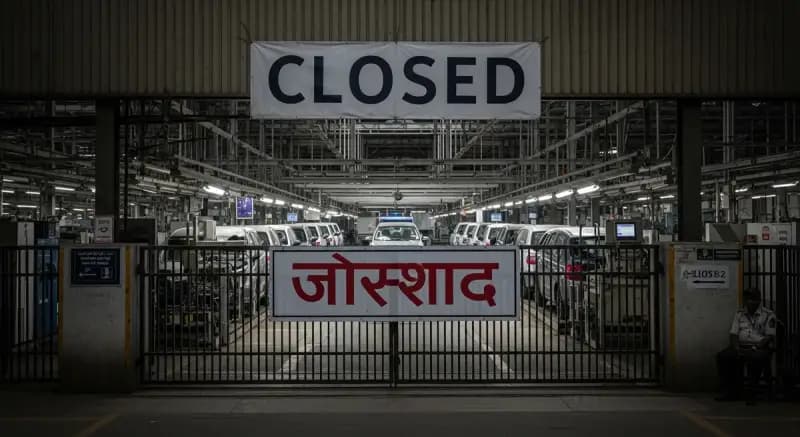
Volkswagen Group is reportedly reconsidering its India manufacturing strategy, with internal discussions examining whether to continue local production or transition to an import-only model. The deliberation reflects the German automaker's ongoing struggles in the Indian market.
Sources within the company indicate that a decision is expected by mid-2025. Options under consideration include selling the Pune manufacturing facility, converting it to contract manufacturing for other brands, or retaining only Skoda production while discontinuing Volkswagen models.
Financial Pressures
Volkswagen Group India has struggled to achieve profitability, with combined Volkswagen and Skoda sales of approximately 55,000 units in 2024, a fraction of the group's 200,000-unit manufacturing capacity in Pune. Capacity utilization below 30% makes sustainable economics nearly impossible.
"The India project has not delivered the returns we expected," acknowledged a Volkswagen AG board member speaking on condition of anonymity. "We need to evaluate whether continued investment makes strategic sense."
Market Position
Despite quality products, Volkswagen has struggled with pricing and after-sales perception in India. The Taigun and Virtus, launched with significant investment, have achieved only modest sales against dominant rivals like the Hyundai Creta and Honda City.
Skoda has fared better with the Slavia and Kushaq, building a stronger brand following, particularly in Maharashtra and Gujarat. Any exit strategy would likely preserve Skoda's Indian presence.
Industry Implications
A Volkswagen withdrawal would mark the second major German automaker exit following Ford's departure in 2021. It would also raise questions about India's ability to accommodate premium-priced manufacturers.
Related Reading
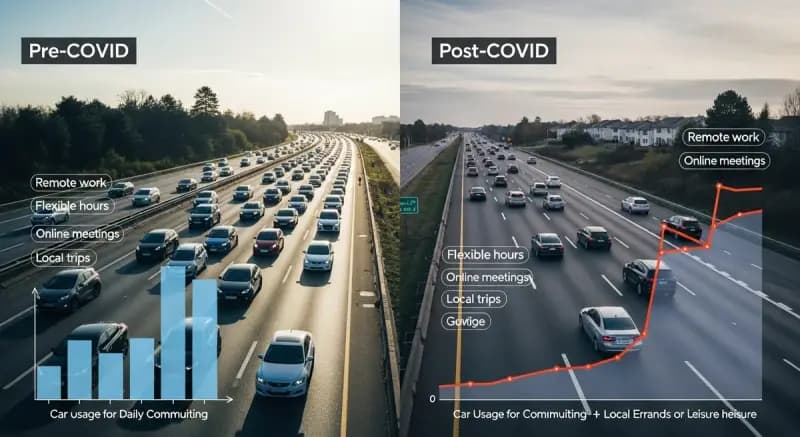
Impact of Work-From-Home on Vehicle Utilization Patterns"India is a tough market for anyone unwilling to compete on price," observes IHS Markit analyst Puneet Gupta. "You need either massive scale like Maruti or a clear premium positioning like Mercedes-Benz. The middle ground is a graveyard."
Volkswagen Group has not officially commented on the reports.
Consumer Perspective
For Indian car buyers, these changes present both opportunities and considerations. Price-conscious consumers may find new value propositions emerging, while those focused on long-term ownership costs should factor in evolving technology and service networks. The market is becoming increasingly sophisticated, requiring buyers to make more informed decisions.
Regional Variations
The impact will vary across different Indian markets. Metropolitan areas with higher purchasing power may see accelerated adoption of new technologies and brands. Tier-2 and Tier-3 cities, which increasingly drive automotive sales growth, will likely follow different adoption curves based on infrastructure readiness and price sensitivity.
Related Reading
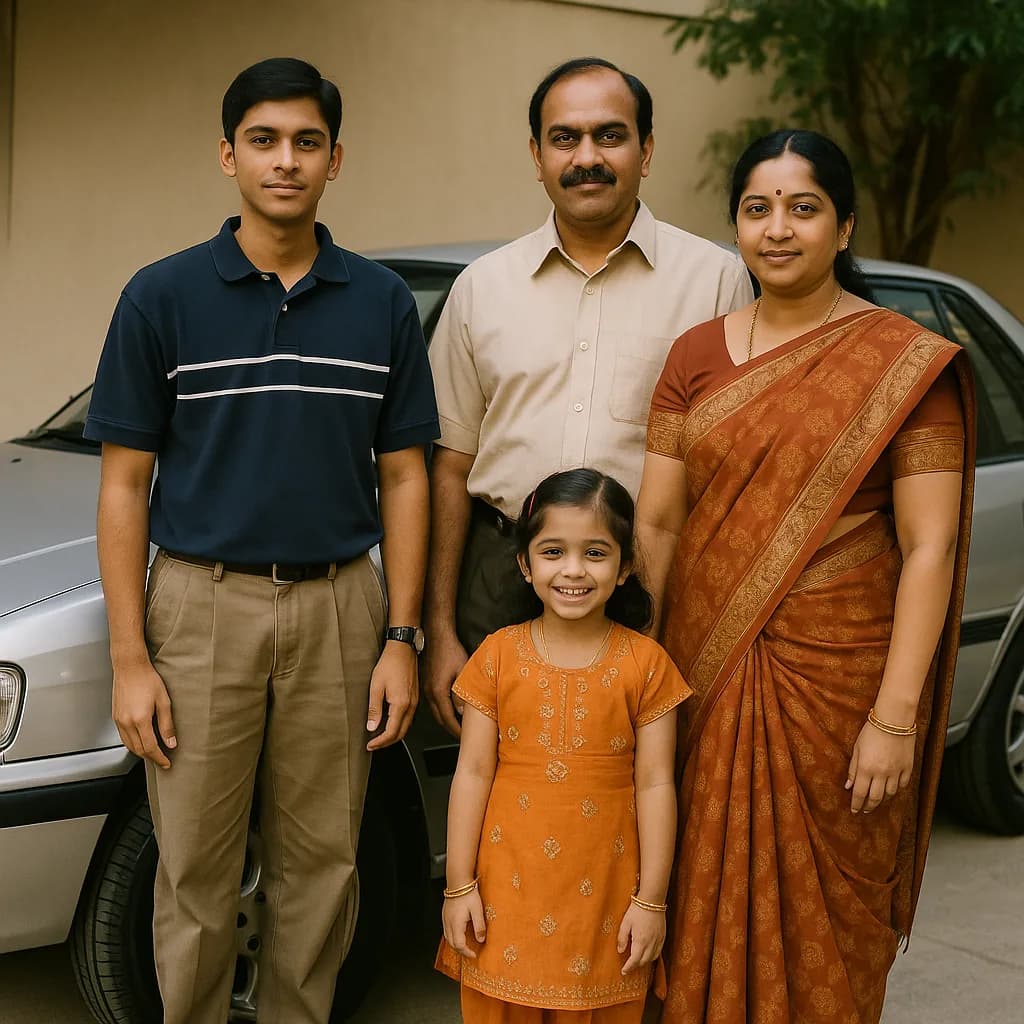
Cars That Defined Indian Families in the 2000sLooking Ahead
As the Indian automotive market matures, developments like these reshape the competitive landscape. The coming years will reveal which players successfully navigate these transitions and which struggle to adapt. Consumers ultimately benefit from increased competition and innovation, though the transition period may bring uncertainty for some segments.
Industry Impact
This development carries significant implications for India's automotive ecosystem. Industry analysts suggest that the ripple effects will be felt across the supply chain, from component manufacturers to dealership networks. The competitive landscape is likely to shift as established players respond to market dynamics and consumer expectations evolve.
This story was handpicked by the Nxcar team, united by our fascination for everything on four wheels , from vintage icons to tomorrow's innovations.