Introduction
The automotive world has undergone significant transformations over the past few years, with substantial shifts towards greener and more efficient technologies. But as we stand in 2026, the choice between petrol and diesel used cars remains a critical decision for many buyers. While newer technologies like hybrids and electric vehicles (EVs) continue to capture headlines, petrol and diesel engines still offer unique advantages and remain a feasible option for many.
Understanding the differences between petrol and diesel used cars is crucial for making the right choice. Factors such as cost, performance, maintenance, and personal driving habits must be weighed carefully. This article delves into these aspects, providing a comprehensive guide to help you make an informed decision in 2026.
Design and Exterior
When considering used petrol or diesel vehicles, the design and exterior features are often influenced by the model year and technology of each brand. Petrol cars generally tend to be lighter and smaller, thanks to the less complex machinery under the bonnet. Diesel cars, while heavier, offer robust build quality and often sport a more rugged appearance. They are designed to endure longer journeys and rougher terrains without batting an eyelid.
The used car market for both fuel types in 2026 offers a wide variety of exterior designs. From sleek sedans and compact city cars to bulky SUVs, there is something for every taste. However, it's essential to consider how the design impacts aerodynamics and fuel efficiency. The shape and weight of the car significantly affect its percentage of fuel consumption. A vehicle with better aerodynamics can offer reduced fuel consumption, beneficial for both petrol and diesel when considering a purchase.
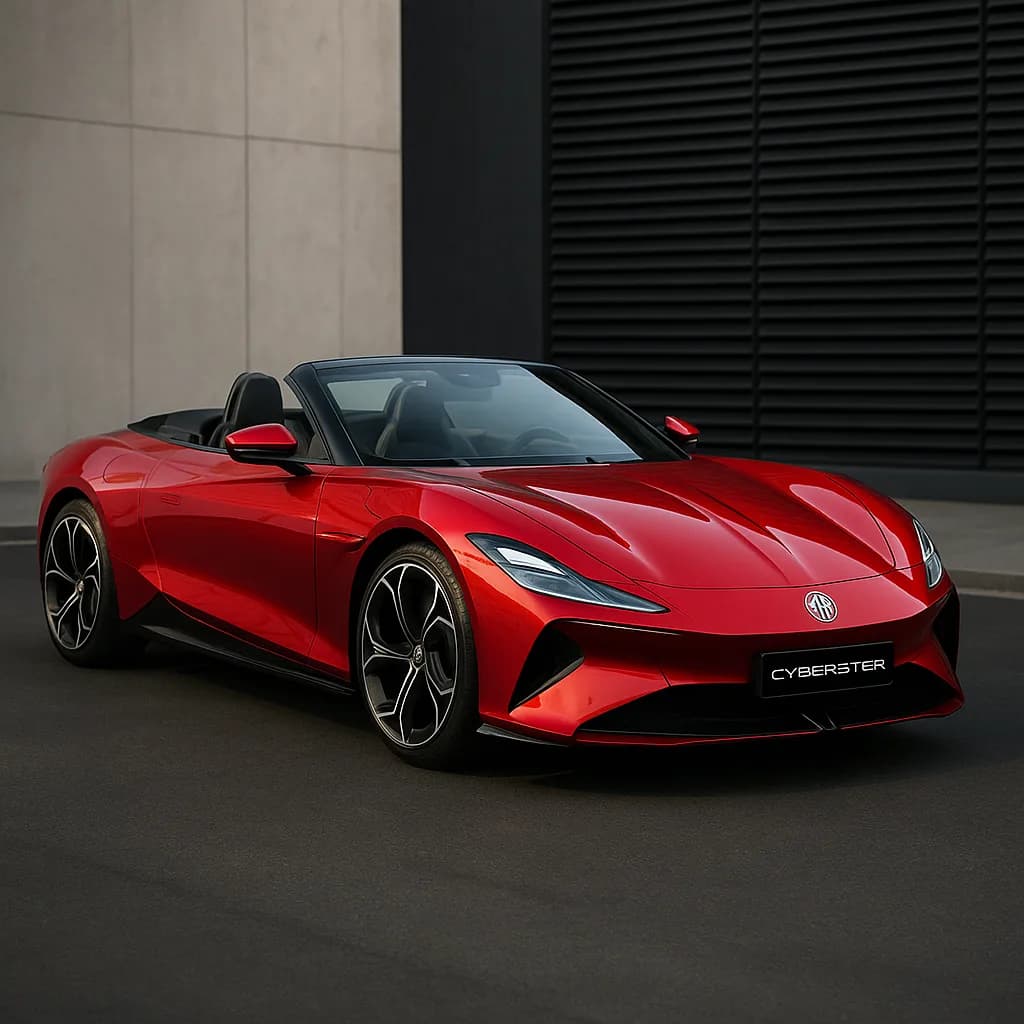
Moreover, the choice also depends on the aesthetics and visual appeal which aligns with the buyer's personal taste. A diesel SUV may convey a sense of strength and endurance, suitable for long-distance travel, while a petrol hatchback can offer a sporty, agile look more suited to urban environments.
Interior and Features
Stepping inside used petrol and diesel cars reveals differences that might sway your decision. Petrol cars often provide a quieter cabin experience, as petrol engines are typically less noisy than their diesel counterparts. This quiet operation allows for a more comfortable drive, especially for those spending considerable time in heavy city traffic.
On the other hand, diesel used cars usually offer more current technology and higher-spec interiors for the same price point. This is because diesel vehicles are often designed for longer journeys and thus come with comfort-oriented features like enhanced seating and advanced infotainment systems. The interior trim quality in diesel vehicles can sometimes surpass their petrol counterparts, providing a more premium feel.
However, the choice between petrol and diesel also depends on the availability of desired features within your budget. A higher-end model petrol variant with the latest tech configurations might be more appealing to those who value modern convenience over the punchier performance of a diesel model.
Engine and Performance
Performance is a pivotal aspect when comparing used petrol and diesel cars. Petrol engines are known for their rev-happy nature, offering smoother accelerations and responsiveness at higher speeds. This makes them an excellent choice for city dwellers who thrive on quick manoeuvrability in tight urban spaces.
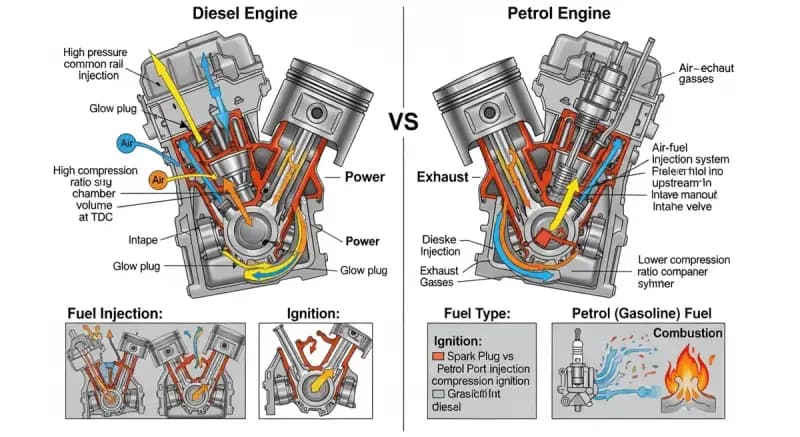
Conversely, diesel engines are renowned for their superior torque delivery, making them particularly effective for long motorway stretches. The higher torque output means diesel vehicles offer better pulling power, essential for heavy loads or towing. However, the characteristic noises and vibrations accompanying diesel engines might deter some buyers seeking a serene driving experience.
Moreover, it's essential to remember that technology has advanced significantly, and modern diesel vehicles have done much to bridge the performance gap, offering smoother, quieter rides than older generations. Your decision may also hinge on the average distance you'll be travelling. Diesel cars are often more efficient for long-distance driving, while petrol vehicles might make more sense for shorter commutes.
Safety Features
Safety must never be compromised when considering a used car and fortunately, innovations have improved safety across both petrol and diesel options. In 2026, many models are equipped with advanced safety technologies regardless of their fuel type. Features like anti-lock braking systems (ABS), electronic stability control (ESC), and multiple airbags have become standard in both segments.
Diesel cars, historically preferred for long hauls and highway driving, tend to offer robust safety features tailored for substantial travel. The heavier weight and design of diesel vehicles contribute to better stability and enhanced crash safety resilience, making them appealing to those prioritising occupant protection on highways.
However, many used petrol cars in the market also come equipped with the latest safety innovations, especially in newer models. These include driver-assistance technologies like lane-keeping assist, adaptive cruise control, and rear-view cameras, ensuring safety in city driving conditions. Ultimately, the level of safety will depend more on model choice and year rather than simply whether a car is petrol or diesel.
Price and Variants
In terms of price, petrol cars generally tend to be less expensive than diesel vehicles, reflecting both new purchase prices and on the used market. Petrol vehicles also offer wider availability and flexibility in terms of model and variant choice.
The reason behind the cost difference is partly due to the complexities of diesel engine manufacturing, which require more robust components and thus drive up the price. This results in higher initial costs, but the trade-off is often subsidised by the fuel efficiency gains over the long run.
As for variants, both petrol and diesel used cars will present a plethora of options, from basic trims with essential features to more premium offerings with bells and whistles. Opt for a variant that not only fits your budget but also includes must-have features that align with your driving conditions and lifestyle.
Comparison with Competitors
Understanding how petrol and diesel cars stack up against the competition is crucial, especially when alternative fuel options like electric vehicles (EVs) are steadily gaining traction. In 2026, EVs have significantly improved in terms of affordability, range, and infrastructure, offering a compelling rival to traditional fossil fuels.
Nonetheless, while EVs are an attractive alternative, many buyers remain loyal to internal combustion engines due to their established network, familiarity, and minimal range anxiety. Hybrid vehicles also occupy the middle ground offering a blend of petrol efficiency with electric supplementation.
Ultimately, comparing petrol and diesel cars with alternatives comes down to individual needs and lifestyle. Those prioritising environmental concerns might lean towards EVs, while those valuing long-distance travel efficiency might still find diesel options credible. Petrol models remain a go-to for their sheer versatility and proven adaptability in various driving conditions.
Pros and Cons
Both petrol and diesel used cars come with their respective advantages and disadvantages that must be weighed carefully. Petrol vehicles are generally lighter, less expensive, provide a smoother city driving experience, and generate fewer vibrations and noises, making them a popular choice in urban environments.
Diesel used cars shine in offering better fuel efficiency, especially on highways, and provide significant torque, which is helpful for towing and heavy-duty driving. However, they incur higher maintenance and upfront costs due to the rigorous design of diesel engines.
On the downside, petrol vehicles tend to be less fuel-efficient on long journeys, making them less ideal for frequent highway travellers, while diesel engines, despite their advancements, still produce more emissions and are subject to stricter environmental regulations, potentially impacting future resale values.
Should You Buy It / Final Verdict
So, should you go for a petrol or diesel used car in 2026? The decision ultimately hinges on your personal needs, budget and driving habits. Petrol vehicles are excellent for those whose driving is mostly city-oriented and who prefer a quieter ride and lower purchase price. Conversely, if you expect to drive extensively on highways or need significant payload capacity, a diesel vehicle might be more fulfilling.
Budget and maintenance considerations play a vital role too. Evaluate long-term costs, including fuel prices, and factor in potential future regulations affecting diesel emissions. If environmental concerns weigh heavily in your decision, perhaps it's worth considering hybrid or electric alternatives despite their initial cost premiums.
Closing Paragraph
Ultimately, the choice between a petrol or diesel used car in 2026 comes down to a balanced examination of your personal circumstances and priorities. Whether you prioritise performance, eco-friendliness, or cost-effectiveness, Nxcar is here to guide you through these decisions with the latest insights and expert reviews. Dive into our comprehensive resources to make an informed purchase that suits your lifestyle.