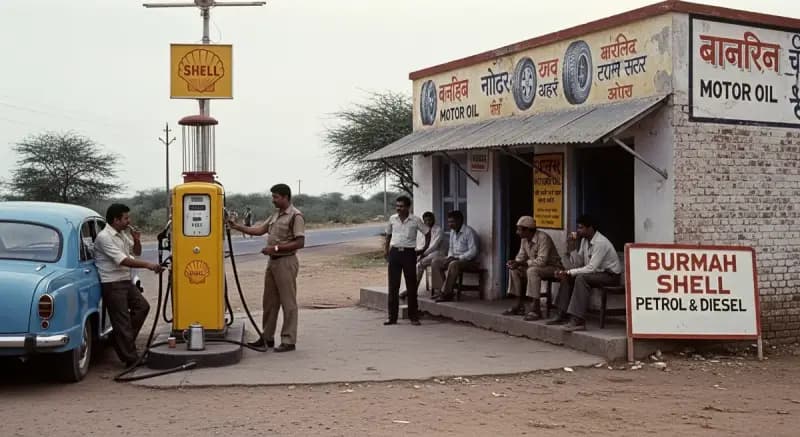
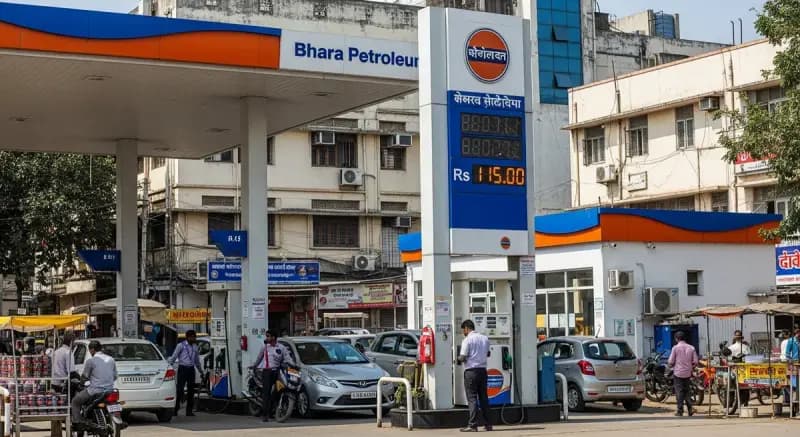
Petrol prices in major Indian cities have breached the Rs 120 per liter mark for the first time in history, intensifying consumer anxiety and accelerating shifts in automobile purchasing patterns towards more fuel-efficient vehicles and electric alternatives.
In Mumbai, petrol now costs Rs 122.38 per liter, while diesel stands at Rs 110.46. Other metros show similar levels, with prices in Delhi at Rs 117.92 for petrol and Rs 108.45 for diesel. The increases follow rising global crude oil prices and rupee depreciation against the dollar.
Consumer Behavior Shifts
Automobile dealers report significant changes in customer preferences. Sales of diesel vehicles, which had been declining due to emission concerns, have seen a modest revival as the price differential with petrol widens. Meanwhile, demand for CNG vehicles has surged 45% year-over-year.
Related Reading
Car Loans Are Keeping You Poor: A Mathematical Reality Check"Customers who came in asking about the Creta are now considering the Creta diesel or even the Venue CNG," observes Hyundai dealer Ramesh Sethi in Delhi. "Fuel economy has become the primary consideration, even above brand preference."
EV Adoption Acceleration
Electric vehicle enquiries have increased dramatically. Tata Motors reports a 60% increase in Nexon EV bookings in December compared to November. Ola Electric has a three-month waiting list for its S1 Pro scooter.
Related Reading
The Most Underrated Cars Nobody Talks About in India"Every Rs 10 increase in petrol is worth 50,000 additional EV sales annually," estimates ICRA automotive analyst Ashish Modani. "The breakeven calculation is now firmly in favor of EVs for high-mileage users."
Industry Response
Automakers are accelerating their small-car and fuel-efficiency programs. Maruti Suzuki has expedited the launch of its next-generation Alto, promising 30% better mileage. Hyundai is developing a dedicated CNG platform rather than retrofitting petrol engines.
"The era of cheap fuel is over," concludes industry veteran Pawan Goenka. "Manufacturers who fail to prioritize efficiency will lose market share rapidly."
Consumer groups are demanding government intervention to reduce taxes on fuel, which constitute over 50% of the retail price.
Industry Impact
This development carries significant implications for India's automotive ecosystem. Industry analysts suggest that the ripple effects will be felt across the supply chain, from component manufacturers to dealership networks. The competitive landscape is likely to shift as established players respond to market dynamics and consumer expectations evolve.
Consumer Perspective
For Indian car buyers, these changes present both opportunities and considerations. Price-conscious consumers may find new value propositions emerging, while those focused on long-term ownership costs should factor in evolving technology and service networks. The market is becoming increasingly sophisticated, requiring buyers to make more informed decisions.
Curated with care by the Nxcar team. Our fascination with automobiles , old and new , inspires us to bring you stories that matter.