Weight distribution fundamentally shapes vehicle dynamics. How mass is positioned, front-to-rear, left-to-right, and low-to-high, determines handling characteristics, tire wear patterns, and ultimate performance limits. Engineers obsess over grams for good reason.
Front-Rear Distribution
Most vehicles are front-heavy: engine weight concentrates forward. This creates understeer tendency, the front tires lose grip before rears during cornering. Understeer is considered safer as the vehicle straightens rather than spins when limits are exceeded.
Sports cars target 50:50 distribution for neutral handling. This requires careful component placement: moving batteries rearward, using rear-mounted transaxles, or positioning engines mid-ship.
Polar Moment of Inertia
Concentrating mass near the vehicle's center reduces polar moment of inertia, resistance to rotation. Low polar moment enables quick direction changes. Mid-engine layouts excel here: the heavy powertrain sits between the axles, minimizing rotational inertia.
Center of Gravity Height
Lower center of gravity reduces body roll and weight transfer during cornering. This is why sports cars sit low while SUVs, despite modern suspension sophistication, never match sedan handling. Physics can be managed but not eliminated.
Practical Implications
Loading a vehicle changes distribution. Heavy cargo in the trunk shifts weight rearward, potentially creating dangerous oversteer tendency. Roof loads raise center of gravity, increasing rollover risk. Understanding distribution informs safe loading practice.
EV Considerations
Electric vehicles benefit from battery floor placement, low and centered. This naturally achieves favorable distribution despite heavy battery weight. Many EVs have better handling potential than their ICE equivalents despite higher mass.
Real-World Applications
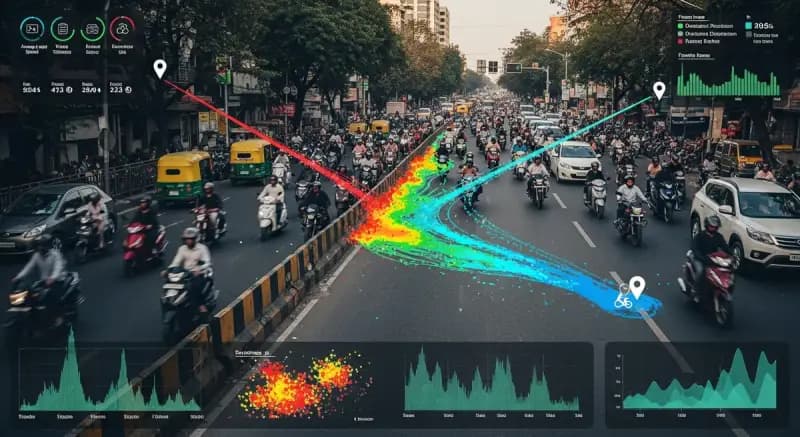
Theory translates to practice in specific ways. Under Indian driving conditions, with their unique combination of heat, dust, traffic, and road quality, these technical factors manifest differently than in laboratory conditions. Owners should calibrate expectations accordingly, recognizing that advertised specifications often assume ideal conditions.
Future Developments
Automotive technology continues evolving rapidly. What seems cutting-edge today becomes standard tomorrow. Understanding current technical foundations helps owners anticipate future developments and make purchase decisions that won't become obsolete prematurely. The pace of change, particularly in electrification and connectivity, makes this foresight increasingly valuable.
Brought to you by Nxcar , where our love for cars extends from the showroom floor to the engineering department.