In 1995, a manga about a teenager delivering tofu in a 1983 Toyota AE86 began serialization in Japan. Initial D would run for 18 years, spawn multiple anime series and films, and, improbably, ignite a global motorsport phenomenon. This is how an anime about mountain road racing created the professional drifting industry.
The Premise
Takumi Fujiwara is an unassuming high school student who delivers tofu for his father's shop every morning before dawn. To avoid spilling the tofu on the mountain passes, he's developed extraordinary car control. When local racing teams discover his talent, Takumi is drawn into the world of "touge" (mountain pass) racing.
The series combined accessible characters with technically accurate racing content. Creator Shuichi Shigeno consulted real racers and mechanics. The driving techniques depicted, heel-toe downshifting, weight transfer, trail braking, were real. For many viewers, Initial D was their first exposure to performance driving concepts.
Related Reading
Car Insurance Premiums Rise 25% as Repair Costs SurgeThe AE86 Phenomenon
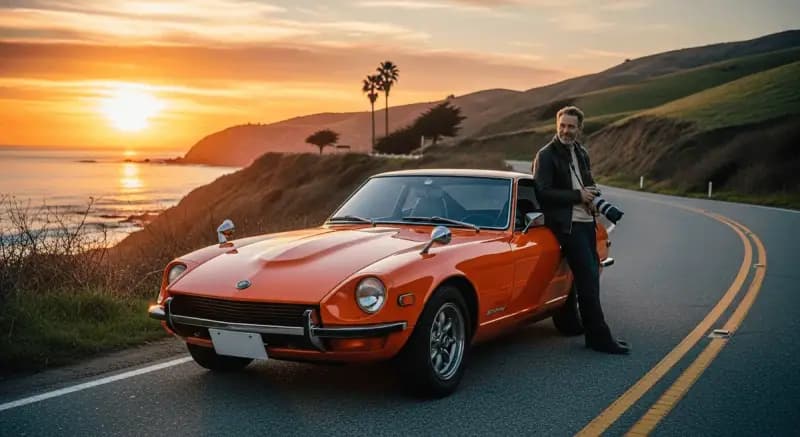
Before Initial D, the Toyota AE86 Sprinter Trueno was a forgotten economy car from 1983. After Initial D, it became perhaps the most important car in JDM culture. Prices skyrocketed. A generation of enthusiasts sought out 30-year-old Corollas to recreate Takumi's drift sequences.
The AE86's appeal in Initial D, lightweight, balanced, affordable, driver-focused, defined an entire philosophy of automotive enthusiasm. The modern Subaru BRZ and Toyota 86 directly reference the AE86's formula, developed explicitly for the audience Initial D created.
Related Reading
Will Petrol Prices Ever Come Down in India?Drifting Goes Professional
Drifting existed as a driving technique before Initial D, pioneered by racers like Keiichi Tsuchiya (who consulted on the series). But Initial D transformed it from obscure technique to aspirational sport. By 2001, professional drifting series launched in Japan. By 2004, Formula Drift began in the United States. Professional drifting now operates on every continent.
The aesthetics of competitive drifting, aggressive body kits, wild liveries, tire smoke drama, directly trace to Initial D's visual vocabulary. Competitors acknowledge the influence openly.
Indian Context
Initial D's influence reached India through pirated DVDs and early internet downloads. A generation of Indian car enthusiasts encountered the series during college years, developing interests that would later drive demand for enthusiast vehicles and modification culture. The Mahindra Thar community, the modified Swift scene, the emerging drift events, all contain DNA from Initial D's cultural transmission.
A manga about delivering tofu changed how the world thinks about driving. That's a legacy few forms of entertainment can claim.
Preservation and Memory
As automotive technology evolves rapidly, preserving heritage becomes increasingly important. Museums, collector communities, and documentation efforts ensure that future generations can connect with automotive history. The stories embedded in these machines deserve to be remembered and celebrated.
Related Reading
Lifecycle Analysis of Lithium-Ion Battery Recycling: Environmental and Economic AssessmentCultural Significance
Cars have always been more than transportation in India, they're status symbols, family members, and markers of progress. Understanding this cultural context enriches appreciation for automotive heritage. The emotional connections people form with their vehicles transcend rational economic calculations.
At Nxcar, we're endlessly fascinated by the cultural significance of automobiles. Every car has a story, and we love telling them.