In an era of limited models and restricted imports, how did car enthusiasm survive in India? Through ingenuity, community, and deep appreciation for whatever vehicles were available. The history of Indian car culture is a story of passion overcoming scarcity.
The Limited Menu
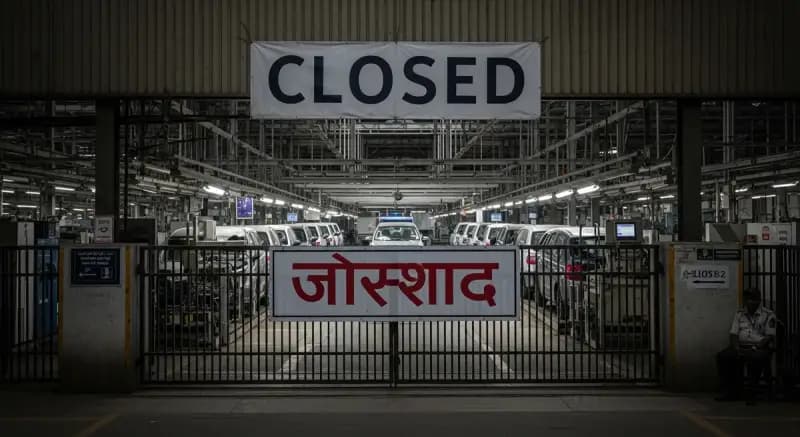
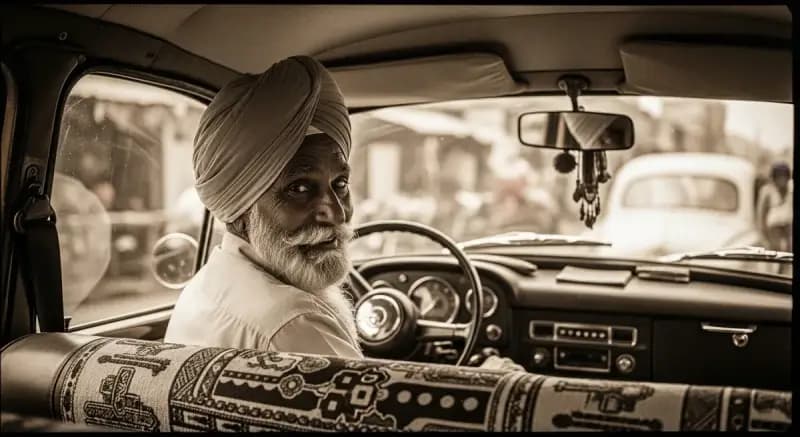
From 1947 to 1991, Indian car buyers had perhaps a dozen choices. The Ambassador dominated. The Premier Padmini offered alternative. Maruti 800 eventually arrived. Imported cars were effectively unobtainable for ordinary citizens.
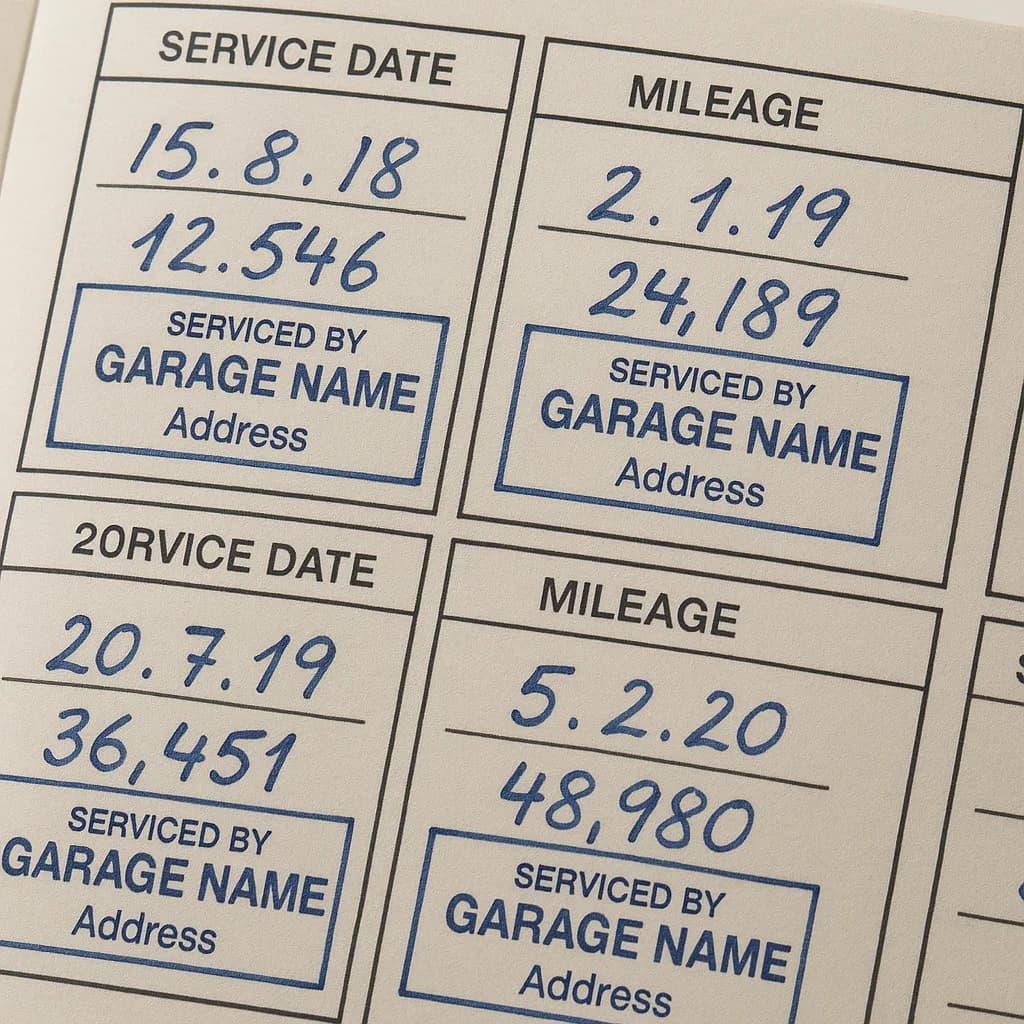
This scarcity created appreciation. Owners maintained vehicles meticulously because replacement was impossible. Mechanical knowledge was essential, dealers were scarce; self-repair was survival.
The Knowledge Networks
Before internet forums, knowledge passed through informal networks. The local mechanic who'd solved a particular problem. The uncle who knew about engine modifications. The magazine (Auto India, Car India) that occasionally covered technical content.
These networks created community. Car enthusiasts found each other through shared obsession despite geographic distance.
The Modification Scene
Without performance parts availability, modification required creativity. Engine swaps used whatever could be sourced. Body modifications were hand-fabricated. The results were often crude by international standards, but they worked, and they were ours.
Post-Liberalization Explosion
When choices expanded, pent-up enthusiasm exploded. Suddenly, enthusiasts could buy performance cars, source parts, attend events. Communities formalized into clubs. Websites replaced word-of-mouth.
Legacy
Today's thriving car culture stands on foundations laid during scarcity. The appreciation for mechanical knowledge, the community bonds, the modification creativity, all developed when options were limited. Abundance is better, but scarcity taught valuable lessons.
Generational Perspectives
Different generations relate to automotive culture differently. Those who remember the scarcity of the license raj era view car ownership through a different lens than millennials who've known only market abundance. These varying perspectives create rich narratives around automotive history and future directions.
Regional Variations
India's diverse regions each have unique automotive cultures. From the decorated trucks of Punjab to the vintage car rallies of Mumbai to the modified vehicles of Chennai, local traditions shape how communities relate to automobiles. This diversity is part of India's rich automotive heritage.
Preservation and Memory
As automotive technology evolves rapidly, preserving heritage becomes increasingly important. Museums, collector communities, and documentation efforts ensure that future generations can connect with automotive history. The stories embedded in these machines deserve to be remembered and celebrated.
Cultural Significance
Cars have always been more than transportation in India, they're status symbols, family members, and markers of progress. Understanding this cultural context enriches appreciation for automotive heritage. The emotional connections people form with their vehicles transcend rational economic calculations.
The Nxcar team loves nothing more than a good car story. This article captures the magic that makes automobiles timeless.